helpline:+86-18605327632
Service time
24 Hours Service
Write to us
Keman Is a Leading Golbal Provider Of Tyre And Wheels
Keman is a leading golbal provider of tyre and wheels,founded in 2002 by Keman Liu.After 17 years of development,the company has a broad influence in tyre and wheel industry field.
Our Factory
Keman is committed to manufacture top quality tyres and wheels,bringing safety to every customers' automobile.At present the company has nearly 1100 patents,1800 employees.
Our Product
Our products includes truck tyres,car tyres,industry tyres,OTR tyres,steels wheels,aluminum wheels with Keman brand and Polonez brand.
Our Certificate
At present,the technical index of products has reached standards of the US Department of Transportation(DOT) and the Economic Committee of Europe(ECE), ISO/TS 16949 Certificate ,furthermore,it has passed the certification of ISO9001 uality Management System ,ISO14000 environment system attestation.
Our Service
All of Keman products enjoy 3 years warranty.With providing global customers with the most valuable products and services as own duty,Keman has established perfect after service to maintain a great brand image.
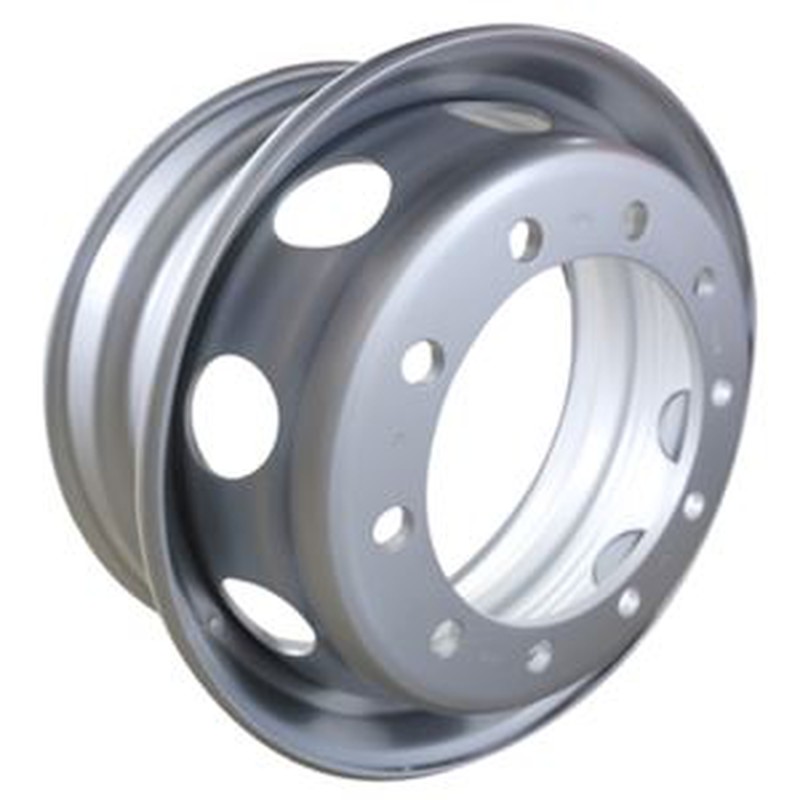
Steel truck wheels designed for usa market
Usage on drive, steer and trailer axle
Positive hub-piloting and cone-lock clamping leads to improved wheel life
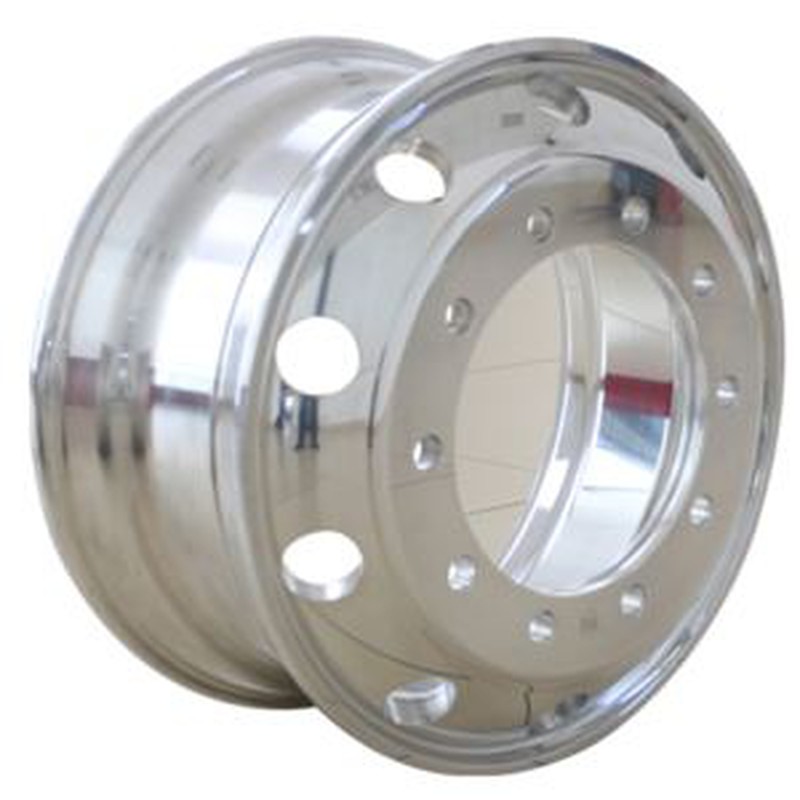
Alloy wheels are automotive wheels made from a combination of metals, most commonly aluminum, magnesium, or both, mixed with small amounts of other elements such as silicon,...
A forged truck wheel is a type of wheel that is manufactured using a process called forging. This process involves shaping metal into a desired form under high pressure and...
The truck wheels enjoy the good corrosion resistance
The fully enclosed spraying process ensures a flawless appearance
The latest steel formula gives the...
Steel wheels for truck axles
Perfect balance and durability
Excellent corrosion resistance in hot and humid climate and high salinity environment
Truck rims developed for truck and bus all axles
The strengthened rim of the wheel increases the bearing capacity of the rim
Forged truck wheel enjoy the Stronger hardness
Standardized wheels valve
Bright machined finish is available
Forged aluminium alloy wheels reach the world's leading technology
Perfect unification of practicality and economy
Mar 20, 2020
Mar 19, 2020

An alloy is a substance made by combining two or more elements, at least one out of which is a metal. This mixture of elements typically has better strength and corrosion resistance. These in-fashion alloy wheels in cars are mostly made of a mix of aluminium and magnesium, to achieve the desired structural integrity.
Alloy Wheels are Lighter in Weight
This is one of the primary reasons behind making alloys. Their lighter weight helps to reduce the overall weight of the vehicle, which further leads to better fuel economy, braking, acceleration, and longer tyre life.
Alloy Wheels Contribute to Better Vehicle Performance
Since wheels are independent of the suspension system, the reduced unsprung weight of the alloy wheels transmits less inertia to the coil spring. This translates to less wear and tear of the suspension and better vehicle dynamics.
Alloy Wheels are Free from Corrosion
You'd probably already know this, but aluminium alloys are known for their ability to resist corrosion. So alloy wheels in automobiles are immune to rust that may eat away at your steel wheels.
Visually Appealing
At no time will steel wheels look as good as alloy wheels, the cosmetic upgrade, as well as the heightened visual impact provided by alloy wheels, is one of the major reasons why people opt for them. your car will evidently stand out from the rest and moreover, increases its value.
Better Heat Conduction/Dissipation
Alloys were introduced in the manufacturing industries for one major reason, they are better heat conductors than pure metals. This feature has been extended in automobiles and alloy wheels are able to dissipate heat better than traditional steel wheels.
Better Fuel Economy
Since alloy wheels are lighter than steel, as mentioned above, improved performance and handling further increase the fuel efficiency of the vehicle to a certain degree. Light wheels mean the car will be pulling less weight, reducing fuel consumption, which is a major factor for car owners these days.
Alloy wheels are generally considered better for car performance compared to steel wheels for several reasons:
Alloy wheels are typically lighter than steel wheels. The reduced weight of alloy wheels can provide benefits in terms of acceleration, braking, and overall handling. The lighter weight reduces unsprung mass, which improves the vehicle's responsiveness and agility.
Alloy wheels are known for their higher strength and rigidity compared to steel wheels. This allows them to withstand greater stress and impact without deforming or cracking. The improved structural integrity of alloy wheels can contribute to better handling and cornering performance.
Alloy wheels have better heat dissipation properties compared to steel wheels. During braking, the friction generates heat, and alloy wheels can dissipate this heat more efficiently. This reduces the risk of overheating the brakes and improves overall braking performance.
Alloy wheels often offer a wider range of designs and finishes, providing aesthetic appeal to the vehicle. They can enhance the visual appearance and give the car a more stylish and sporty look, which can be desirable for many car owners.
At present, steel wheels are still commonly used because of their high flexibility under stress and strength they come. But it's all changing as alloy wheels are taking the place of steel wheels, by offering all the benefits or steels with an additional benefit of making your ride look more gorgeous. Alloy wheels are generally made from the alloy of Magnesium or Aluminum. Alloys are the amalgamation of two or more metals.
Alloy wheels are gaining more preference over metal wheels due to their greater strength and ductility than pure metals. Alloy wheels provide exquisite features and can be the factor that decides the succession or failure of a deal. Alloy wheels can be expensive, but they have many advantages to offer over steel wheels that are worth knowing.
Alloy wheels have greater weight strength compared to steel wheels. Steel wheels can have low heat conduction, but the alloy wheels have higher heat conduction because of alloy properties. Alloy wheels can provide you a better vehicle handling experience than steel wheels.
Alloy wheels are gaining more popularity in the modern world of automobiles due to their promising features and outstanding performance. They are not just visually attractive but also lightweight, corrosion, and heat resistant. Due to their fuel-saving characteristic, alloy wheels are getting high demands for common, luxurious, and sports cars.
Maintaining a safe following distance when driving behind other vehicles can help prevent debris from hitting your alloy wheels. Rocks, gravel, and other debris kicked up by the vehicle in front of you can cause scratches and chips on the wheel surface, potentially leading to corrosion.
Purchase Iron-Free Brake Pads
One way to counteract corrosion is to purchase iron-free brake pads. While they may not prevent resin from burning through, iron or copper-free brake pads will minimise the amount of iron and metal particulates thrown onto your wheels.
Regularly Inspect Your Wheels
Make it a habit to visually inspect your alloy wheels every few weeks. Look for any signs of discolouration, bubbling paint, or small spots that could indicate the onset of corrosion. Catching these issues early allows you to take preventative measures before things worsen.
Avoid Harsh Weather Conditions
While driving more in the colder months may be convenient, it can also accelerate corrosion. Road salt, in particular, can be highly corrosive to alloy wheels. Whenever possible, avoid driving on roads covered with grit or wash your wheels thoroughly after driving through salted areas.
How Are Alloy Wheels Made
The right set of alloy wheels can really individualize a car and change the appearance dramatically. With so many options on the market, it does make it hard to choose what wheels you would want to put on your pride and joy.
When comparing alloy wheels to steel wheels there are a lot of advantages in having the alloy wheels on your vehicle.Alloy wheels are a fraction of the weight of steel wheels;
The weight reduction gives your vehicle better fuel efficiency, handling, acceleration, and braking; Alloy wheels are far more durable.
Aluminium alloy is made up of 97% high-grade aluminium and 3% of other metals such as titanium and magnesium.
The aluminium ingots are heated in a furnace for approx. 25 minutes at 720 degrees Celsius. The molten aluminium is then poured into the mixer where the aluminium is processed.
Argon gas is injected into the mixer to remove the hydrogen. This increases the density of the metal. Powdered titanium, magnesium and other metals are added to the mixer.
High strength moulds are cast with each design and the liquid metal is pressured poured from the bottom of the mould upwards to ensure the quality of the pour. This reduces the risk of air bubbles.
Throughout the process, the temperature of the alloy wheel is monitored closely as this will determine the quality of the finished product. Defects can be picked up early in the process through this heat monitoring processes.
It takes approx. 10 minutes for the metal to become solid. Once the alloy wheel is removed from the cast the temperature is reduced again in warm water. The alloy wheel is then taken through heat treatment processes for hours at a time. Heating and cooling the alloy wheel strengthens the wheel to be able to perform at its best.
Machine and man finish the product with cutting and polishing rough edges from the cast making the alloy wheel look closer to what we are used to seeing on the road every day. The alloy wheel can be painted any colour or have the machine finish when they have the bare metal look. A top protective coat is added to protect the paint as a finishing step.
Now that you're convinced of the advantages of alloy wheels, let's delve into the technical aspects of selecting the perfect set for your car. Choosing the right alloy wheels involves considering factors beyond just aesthetics. Here are some key tips to help you make an informed decision:
Wheel Size: It's crucial to select the correct wheel size for your vehicle. Refer to the manufacturer's recommendations or consult with a professional to ensure a proper fit. Choosing the wrong size can negatively impact your car's performance and safety. Factors to consider include diameter, width, and offset, which determine how the wheels align with the suspension and body of your car.
Load Rating: Pay attention to the load rating of the alloy wheels you're considering. This rating indicates the maximum weight each wheel can safely support. It's essential to choose wheels with a load rating that meets or exceeds the weight of your vehicle and any additional load it may carry. This ensures optimal performance and durability.
Bolt Pattern and Center Bore: Ensure that the bolt pattern of the alloy wheels matches your car's hub pattern. The bolt pattern refers to the number of bolts and the spacing between them. Additionally, consider the center bore, which is the hole in the center of the wheel that fits over the hub. The center bore diameter should match your car's hub diameter for a proper fit.
Material Quality: Assess the quality of the alloy wheels you're considering. Look for reputable brands known for their high-quality manufacturing processes and materials. Consider factors such as the alloy composition, heat treatment methods, and structural integrity. High-quality alloy wheels are more likely to provide long-lasting performance and withstand the demands of daily driving.
Finish Durability: Choose a finish that can withstand the wear and tear of the road. Different finishes have varying levels of durability. For example, painted finishes may be more susceptible to chips and scratches, while chrome or powder-coated finishes tend to be more resistant. Consider your driving conditions and maintenance preferences when selecting a finish that will maintain its shine and appearance over time.
Alloy Wheel Maintenance
Now that you have alloy wheels, it's crucial to implement a proper maintenance routine to ensure they retain their pristine appearance and performance. Here are some technical tips for maintaining your alloy wheels:
Cleaning Products: Use cleaning products specifically formulated for alloy wheels. These products are designed to effectively remove dirt, brake dust, and other contaminants without causing damage to the wheel's finish. Avoid using harsh chemicals or abrasive cleaners, as they can scratch or corrode the surface.
Cleaning Technique: When cleaning your alloy wheels, start by rinsing them with water to remove loose dirt and debris. Then, apply the appropriate cleaning product and use a soft-bristle brush or sponge to gently scrub the surface, paying attention to hard-to-reach areas. Rinse thoroughly to remove any residue, and make sure to dry the wheels completely to prevent water spots.
Protective Coatings: Consider applying a protective coating or sealant to your alloy wheels. These coatings create a barrier that helps repel dirt, brake dust, and other contaminants, making future cleaning easier. Additionally, they provide an extra layer of protection against corrosion and UV damage.
Regular Inspections: Regularly inspect your alloy wheels for any signs of damage or corrosion. Look for cracks, bends, or chips in the wheel's structure, as these can compromise its integrity and safety. Pay attention to any areas where the finish may be peeling or showing signs of discoloration, as this could indicate the onset of corrosion.
Corrosion Prevention: If you notice any signs of corrosion, it's crucial to address the issue promptly. Corrosion can spread and cause irreversible damage to your wheels. Use a specialized alloy wheel cleaner or a mixture of mild soap and water to remove any corrosion. For more severe cases, consult a professional to assess the extent of the damage and determine the best course of action.
Seasonal Considerations: Take into account the impact of seasonal factors on your alloy wheels. In Quebec, with its harsh winters and tons of road salt, it's essential to clean your wheels more frequently to remove salt residue, which can accelerate corrosion. Consider using wheel wax or sealant specifically designed for winter conditions to provide additional protection.
|
Parameter |
Alloy Wheels |
Steel Wheels |
|
Aesthetics |
Looks striking |
It looks plain and classic |
|
Weight |
Lighter |
Heavier |
|
Price |
Cheaper |
Expensive |
|
Performance |
Superior handling and acceleration |
May hinder vehicle acceleration and dynamics |
|
Fuel Efficiency |
Enhances fuel efficiency |
Can reduce fuel efficiency |
|
Safety |
Cracks at high speeds can be fatal |
The probability of cracks is very low, hence safer |
|
Durability |
Prone to cracking and bending in case of an impact |
More durable and can take more abuse |
|
Repairability |
Demands a complex and expensive process for repair |
Relatively much easier to repair |
Steel wheels are made up of stamped steel. These are also called standard/conventional wheels, which have been used for a long time and are tried and tested for maximum toughness and sturdiness over time. This is why steel wheels often appear on true blue SUVs and even heavy motor vehicles. In short, steel wheels are the cost-effective OEM choice as far as wheels are concerned.

Advantages Of Steel Wheels
Affordable
Since steel wheels are easier to manufacture, they are much cheaper to buy than alloys and offer a substantial price advantage.
More Durable
Steel wheels are stronger than alloys and are the first choice for demanding, heavy and all-terrain vehicles around the globe.
Easy To Repair
Dents and other damages on a steel wheel is super easy to fix and can be done by hammering the dent back to its proper place and shape.
Aluminum alloy wheels come in various alloy grades, including A356, A356.1, A356.2, 6061, 6063, and 6082.
These aluminum alloys boast outstanding features such as high strength, lightweight, excellent heat dissipation, and ease of processing and welding. on the other hand, offer material choices like carbon steel, ductile iron, and other steel variants.
These materials are known for their cost-effectiveness, high mechanical properties, and toughness. However, they are generally not as suitable as aluminum alloy wheels.
Steel wheels are made from alloy steel plates processed through rolling and stamping to create wheel rims, spokes (or steel wires), and then assembled using methods like riveting, welding, and extrusion.
On the other hand, aluminum alloy wheels are manufactured using casting and forging techniques, followed by spinning and forging processes, enabling integrated production and the formation of a seamless structure.
The casting process for iron components is more intricate than aluminum alloy techniques, involving higher melting temperatures and less favorable production environments, resulting in relatively higher machining difficulties.
Aluminum alloy wheels offer significant advantages in aesthetics, as their casting process allows for various design options.
The surface of aluminum alloy wheels is bright and easy to clean, elevating the vehicle's overall appearance and visual appeal. In contrast, ordinary steel wheels may lack the same visual attractiveness.
Aluminum wheels showcase a diverse array of patterns and precise dimensions, adding a touch of personalization to the vehicle and enhancing its overall beauty.
Conversely, steel wheels generally have a more simple and unembellished appearance, with limited scope for varied designs and personalized styles.
Although steel wheels perform their basic functions effectively, they might appear somewhat plain compared to aluminum wheels in terms of aesthetics.
Aluminum wheels offer high roundness and precision, ensuring a smooth and stable driving experience with no steering wheel vibrations. This enhances driving comfort and provides a sense of stability to drivers during their journey.
The lightweight nature of aluminum alloy wheels reduces weight under the suspension and shock absorber systems, reducing wear on shock absorbers and significantly improving driving comfort and maneuverability.
Vehicles equipped with aluminum wheels exhibit sharper responsiveness during turns, acceleration, and braking, enhancing overall driving performance. Aluminum wheels provide superior acceleration and braking performance due to their reduced weight.
The lightweight aluminum alloy construction contributes to improved vehicle acceleration, while the excellent heat dissipation capability maintains braking system stability, enhancing braking efficiency and performance.
Aluminum wheels provide over 3 times higher heat dissipation performance than steel wheels, effectively dissipating brake-generated heat to improve brake efficiency and reduce temperature rise during braking, enhancing overall vehicle safety.
The high material density and absence of air bubbles in aluminum alloy wheels contribute to their stability under high-speed driving or heavy loads, further increasing vehicle safety.
Chalco's experiments have demonstrated that aluminum alloy wheels have approximately 5 times the impact resistance of regular steel wheels, preventing deformation during use and reducing tire wear for safer and more reliable driving.
Aluminum alloy wheels are corrosion-resistant and less prone to rust compared to steel wheels, better withstanding harsh environmental and climatic conditions and enhancing overall vehicle safety.
Aluminum wheels are predominantly used in automobiles, sports cars, and race cars, benefiting from their lightweight construction, superior acceleration performance, and fuel efficiency advantages.
Conversely, steel wheels find their primary application in large trucks and construction vehicles, as they provide the durability and stability needed for heavy-duty work requirements.
Both types play significant roles in various vehicle types, and as technology advances, their usage may extend further.
In the future, aluminum wheels, steel wheels, magnesium alloy wheels, and carbon fiber wheels will continue to thrive and play essential roles in the automotive industry.
Steel wheels will retain their significance in heavy-duty applications, serving large trucks, specialized vehicles, and construction equipment due to their stability and cost-effectiveness.
Aluminum wheels will remain popular in the automotive, sports car, and racing sectors, thanks to their lightweight design and excellent acceleration capabilities. Advancements in material technology will further enhance the strength and durability of aluminum alloy wheels.
Magnesium alloy wheels, known for their exceptional strength-to-weight ratio and fatigue resistance, are expected to find broader applications in the automotive industry, contributing to improved fuel economy and environmental performance.
Carbon fiber wheels, a promising emerging material, offer outstanding lightweight properties and high strength, leading to rapid growth in the high-end supercar and racing segments. However, their current predominant usage is in high-performance luxury vehicles.
Keman is a leading golbal provider of tyre and wheels,founded in 2002 by Keman.After 17 years of development,the company has a broad influence in tyre and wheel industry field.Our products includes truck tyres,car tyres,industry tyres,OTR tyres,steels wheels,aluminum wheels with Keman brand and Polonez brand.