Contact Us+8618605327632

banner

What Is Tyres


A tyre is a circular ring-shaped component of a vehicle which is mounted on its wheel's rim. It provides traction to the vehicle and transfers its load to the ground. A pneumatic tyre (tyre filled with air) also absorbs shocks generated by uneven surfaces.


Advantages of Tyres


Improved Handling
High performance tires are made of a soft rubber that helps them stick to the road's surface when they heat up at high speeds. This makes it easier for sports cars, sedans, coupes, and roadsters to hug tight curves.


Maximum Traction at High Speeds
High performance tires are usually wider than other types of tires. This provides a greater surface area that clings to paved surfaces. that most high performance tires are intended for driving in warm, dry conditions. There are also high performance all season and winter tires available. They will help your vehicle grip the road in bad weather.


Reduced Stopping Distance
The sticky rubber and wide surfaces of high performance tires also help you stop your vehicle quickly. That helps keep you, your passengers, and other drivers safe.

  • Winter Tyres
    Winter Tyres

    WPCRA is winter tyres specialized snow tread design for winter driving.
    Special rubber tread ensures grip under in low temperature conditions.

  • Passenger Car Tyre
    Passenger Car Tyre

    PCRD is designed for passenger car tyres.
    Powerful central pattern effectively improves straight-line handling

  • SUV Tyres
    SUV Tyres

    1. SUVA is SUV tyres with entire traffic pattern designed for SUV, pickup.
    2. The use of a wide travelling surface to improve tire grip

  • Off Road Tyres
    Off Road Tyres

    ​layer tread high anti-pack and high-strength tread material, providing excellent durability
    reducing tread deformation, maintaining excellent handling performance

  • OTR Tyres
    OTR Tyres

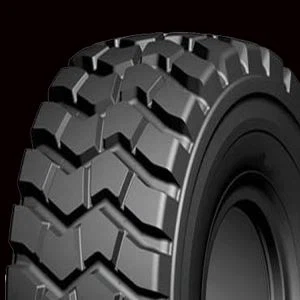
    OTR tyre RO31 is versatile E3/L3 tread pattern designed for Loader,Dozer,Grader,Scraper,Dumpand other euuipment used for construction,stockpile and loading application.

  • Heavy Duty Truck Tyres
    Heavy Duty Truck Tyres

    310 is heavy duty truck tyresdesigned for all wheels of the long-distance transport vehicles on good or bad mixed road.

  • All Steel Radial Tyres
    All Steel Radial Tyres

    The horizontal pattern groove and tire shoulder block pattern design, with excellent grasp performance and braking performance.

  • Radial Truck Tires
    Radial Truck Tires

    120 is radial truck tires suitable for all wheels of truck and bus for all kinds of road conditions;
    Excellent guiding and anti-sideslip performance

  • Winter Tyres
    Winter Tyres

    Winter tyres are exactly what the name suggests: tyres specially designed to provide strong traction and improved grip in winter conditions. They are engineered to work best in...

  • SUV Tyres
    SUV Tyres

    They are made with tougher, more durable rubber compounds and deeper treads to handle rough roads, gravel, mud, and snow with ease. Additionally, SUV tyres often have larger...

  • Radial Truck Tires
    Radial Truck Tires

    Radial tyres are the most common type of tyre used on modern vehicles. They have a sidewall that runs straight up and down and are made of a single layer of steel cord plies...

  • Passenger Car Tyre
    Passenger Car Tyre

    Passenger tyres, also known as passenger car tyres, are designed for cars, sedans, hatchbacks, and other standard vehicles used for daily commuting and city driving.

First Prev 12345 Next Last 1/5

Recommended

Why Choose Us


Our Factory

Keman is committed to manufacture top quality tyres and wheels,bringing safety to every customers' automobile.At present the company has nearly 1100 patents,1800 employees.

Our Product

Our products includes truck tyres,car tyres,industry tyres,OTR tyres,steels wheels,aluminum wheels with Keman brand and Polonez brand.

Our Certificate

At present,the technical index of products has reached standards of the US Department of Transportation(DOT) and the Economic Committee of Europe(ECE), ISO/TS 16949 Certificate ,furthermore,it has passed the certification of ISO9001 uality Management System ,ISO14000 environment system attestation.

Our Service

All of Keman products enjoy 3 years warranty.With providing global customers with the most valuable products and services as own duty,Keman has established perfect after service to maintain a great brand image.


How to Tell If You Need New Tires
 

There are two main reasons that tires typically need to be replaced.

Excessive Wear

Don't wait until your tread has been worn completely from the surface of your tires before you get around to replacing them. This is commonly known as "bald" tires and is a very dangerous condition. Tires are generally rated to last a set amount of miles when you buy them. However other factors can reduce the service life of your tires, such as driving conditions and habits.

Many states have laws requiring car tires to carry a minimum amount of tread depth to be legal on the road. That is because bald tires have a very hard time maintaining traction, especially in wet conditions. In short, they're unsafe. If new tires are a purchase that may stretch your budget to the breaking point, then your best bet is to plan for the extra cost. Keep track of your tire's wear levels.

Ask the mechanic at the service station to measure and record the tread depth of your tires when you change your oil. That will give you plenty of warning when it's almost time to get them replaced. You can also perform a check yourself. You don't need anything fancy like a tread depth gauge. All you need is a penny. Hold the penny so that Lincoln's head is facing the surface of the tire, and place the penny in several of the tread grooves in different places on each tire. As a rule of thumb, if the tread is deeper than the top of Lincoln's head, you're OK. However, if you're anywhere close you might want to start making plans for replacement.

Road Damage

Often road damage sends tires into retirement long before their intended service life is over. The most common road damage is a fault in the tire's sidewall. Once the sidewall of the tire is compromised, the tire is at very high risk for blowout. Look for bubbles in the rubber of the sidewall, it will generally look like a marble or small ball buried under the rubber surface of the tire. Also check the sidewalls for chips and cuts in the rubber.

Sidewall damage is irreparable. You will always have to replace a tire whose sidewall has been damaged. You can also inspect the tread of the tire for deep cuts or faults, but generally you only have to worry about this part of the tire if a problem has become apparent while you are driving (i.e. excessive vibration at speed).


What you should know when use tyres


Your vehicle needs to move, stop and turn without skidding or slipping. It is the tyres of your vehicle that fulfil these functions. The design and construction of the tyres influence its behavior on hard, deformed, wet and dry surfaces. Besides the gravitational and aerodynamic forces, there are other major forces applied by the tyres that affect the motion of your vehicle. Here are 5 basic functions that your tyres perform to keep you comfortable and safe on the road.


Carry the weight of the vehicle

A tyre is like a rubber casing that holds air. The air that is filled in the tyre is responsible for carrying the weight of the vehicle. A vehicle’s weight moves around the roll center when the vehicle is braking, accelerating, turning or moving forward. For e.g., when brakes are applied as hard as possible, the front suspension gets compressed and a lot of the vehicle’s weight is shifted to the front tyres. Similarly, when you accelerate the weight is shifted to the rear tyres. The weight bearing ability of the tyres depends on the air pressure that is filled in it. Therefore, air is the most important ingredient when it comes to safety and handling performance. A tyre filled with the right air pressure provides good traction and handling. Hence always maintain optimum air pressure in all four tyres and for added benefits you could also go for nitrogen inflation instead of normal air for your tyres.


Propel the vehicle without skidding

The tyre is designed to move the vehicle forward. The mechanics of the tyre on a wet surface is different than the mechanics on a dry surface. The tyre tackles different temperatures and road conditions to push the vehicle in the desired direction. Good quality tyres that have the recommended tread depth grip the road better and help the vehicle move without skidding.


Provide cushioning to the vehicle against road shock

Road imperfections such as potholes, bumps, cracks etc. contribute to a bumpy ride. Tyres that are in a perfect condition provide a smoother driving experience on rough patches. As the vehicle moves through the irregular surfaces of the road, various systems such as the suspension, shock absorbers, the wheel etc. get affected. But it is the tyre that absorbs the impact first. While dealing with the various forces that act on the vehicle, the tyres also help in absorbing and damping the shocks.


Enables vehicle to change direction and turn without slipping

The wheels of your vehicle change direction as you steer the steering wheel. This enables your vehicle to move in the direction that you want. It is the tyres that help your vehicle remain stable as the vehicle changes its trajectory. Along with tyre quality, tread depth, tread pattern, the air pressure in the tyres plays an important role in maintaining vehicle stability while turning.


Transmit acceleration, braking and cornering forces to the ground

While a car’s performance is very often judged on how effective its acceleration, braking, handling and cornering is, the fact is, it is the tyre that is responsible for accomplishing the desired performance from the vehicle.The tyre generates and transmits the physical forces such as acceleration, braking and cornering to the road surface. The friction between the tyres and the road is what makes it possible to transmit these forces to the ground.


What Are The Types Of Tyres
 
01/

Radial Tyres:
Layers of cord plies are arranged at right angles to the centerline of the tread, providing enhanced stability and fuel efficiency. Radial tyres are the standard choice for most cars, offering a smooth ride and good traction.

02/

Bias-Ply Tyres:
Layers of cord plies are laid diagonally across the tyre, providing a stiffer sidewall and greater load-carrying capacity. These are found on certain vintage or off-road vehicles.

03/

Tubeless Tyres:
Designed to seal themselves against the rim, eliminating the need for an inner tube. Standard on modern vehicles, offering better safety and fuel efficiency.

04/

Run-Flat Tyres:
Reinforced sidewalls allow the tyre to support the vehicle's weight for a limited distance even after losing air pressure. Many high-end vehicles come equipped with run-flat tyres as a safety feature.

05/

Performance Tyres:
Engineered for enhanced speed and handling, often with a softer rubber compound for better grip. Common on sports cars and high-performance vehicles.

06/

Off-Road Tyres:
Designed with deep tread patterns and reinforced sidewalls for traction on challenging terrains. Used on off-road vehicles, SUVs, and trucks for adventurous or rugged driving.

 
5 Important Functions Of A Tyre
 

Your vehicle needs to move, stop and turn without skidding or slipping. It is the tyres of your vehicle that fulfil these functions. The design and construction of the tyres influence its behavior on hard, deformed, wet and dry surfaces. Besides the gravitational and aerodynamic forces, there are other major forces applied by the tyres that affect the motion of your vehicle. Here are 5 basic functions that your tyres perform to keep you comfortable and safe on the road.

Carry The Weight Of The Vehicle
A tyre is like a rubber casing that holds air. The air that is filled in the tyre is responsible for carrying the weight of the vehicle. A vehicle's weight moves around the roll center when the vehicle is braking, accelerating, turning or moving forward. For e.g., when brakes are applied as hard as possible, the front suspension gets compressed and a lot of the vehicle's weight is shifted to the front tyres. when you accelerate the weight is shifted to the rear tyres.

The load-bearing capacity of a tire depends on the air pressure inside the tire. Air is the most important factor when it comes to safety and handling performance. Tires filled with the correct air pressure provide good traction and handling. Always maintain optimal air pressure in all four tires, and for added benefit you can also fill your tires with air instead of regular air.


Propel The Vehicle Without Skidding
The tyre is designed to move the vehicle forward. The mechanics of the tyre on a wet surface is different than the mechanics on a dry surface. The tyre tackles different temperatures and road conditions to push the vehicle in the desired direction. Good quality tyres that have the recommended tread depth grip the road better and help the vehicle move without skidding.

Provide Cushioning To The Vehicle Against Road Shock

Road imperfections such as potholes, bumps, cracks etc. contribute to a bumpy ride. Tyres that are in a perfect condition provide a smoother driving experience on rough patches. As the vehicle moves through the irregular surfaces of the road, various systems such as the suspension, shock absorbers, the wheel etc. get affected. But it is the tyre that absorbs the impact first. While dealing with the various forces that act on the vehicle, the tyres also help in absorbing and damping the shocks.

Enables Vehicle To Change Direction And Turn Without Slipping

The wheels of your vehicle change direction as you steer the steering wheel. This enables your vehicle to move in the direction that you want. It is the tyres that help your vehicle remain stable as the vehicle changes its trajectory. Along with tyre quality, tread depth, tread pattern, the air pressure in the tyres plays an important role in maintaining vehicle stability while turning.

Transmit Acceleration, Braking And Cornering Forces To The Ground

While a car's performance is very often judged on how effective its acceleration, braking, handling and cornering is, the fact is, it is the tyre that is responsible for accomplishing the desired performance from the vehicle.The tyre generates and transmits the physical forces such as acceleration, braking and cornering to the road surface. The friction between the tyres and the road is what makes it possible to transmit these forces to the ground.

Besides performing these important functions, tyres play a crucial role in improving fuel efficiency, providing grip on wet and dry roads, ride comfort, handling stability and offering a quiet and smooth ride.

 
What Exactly Is a Tyre Made Of
 

We use different tyres depending on the season and environment. These differences might be obvious, for example in the tread depth. They might be harder to spot or even go unnoticed in other areas. Take the tyre rubber compound, for example: Although different compounds are hard to distinguish from one another, they have a significant impact on tyre properties.

All Steel Radial Tyres
 

A Closer Look At The Rubber Compound Of Tyres

First of all, it is important to know that rubber compounds vary from manufacturer to manufacturer. These compounds vary between the different tyre sizes and types and always depend on the preferred driving characteristics. Tyre material consists of the following elements, in varying quantities depending on use:

Snow Tyres
 

Rubber

Natural and synthetic rubber (also known as polymer) are the main components of a car tyre. Depending on the variety, these materials provide a high level of slip resistance and, after processing, the preferred elasticity. Apart from that, rubber has the disadvantage that it wears out quickly and can harden at low temperatures or become soft at high temperatures.

Natural rubber is harvested from rubber trees on large plantations. In the process, the bark of the tree is cut and the milky sap is collected. You might know the milky sap as latex. In contrast, synthetic rubber offers the advantage that its properties can be modified. As the manufacturer, when selecting materials we can ensure that your tyres will get you safely through any weather.

UHP Tires
 

More About Tyre Material

In addition to the main components of rubber, fillers and plasticisers, chemicals, such as sulphur as mentioned above, and antioxidants are also used in tyres. These also affect driving behaviour. The development of a new rubber compound involves constantly balancing the materials. A complex process that varies from tyre to tyre and the material used.

Car Tires
 

Plasticiser

Plasticisers are needed to ensure that the tyre gives you a positive and safe feeling while driving, even in snow and rain. These oils and resins make the tyre flexible and improve the grip of the material. For you, the driver, this means that plasticisers improve rolling resistance. Oils also add to the slip resistance of the tyre. That's why more oils are used in winter tyres than in summer tyres; plasticisers prevent the rubber from hardening at low temperatures.

Car Tyres
 

FILLERS

Fillers are added to the rubber. These fillers can be carbon black, silica, carbon or chalk. They bind the rubber and make it more resistant to wear, as rubber on its own can crumble, particularly as a result of breaking. We use fillers to counter this effect and increase the mileage of your tyres. However, this can harden the rubber compound a little.

Fillers are also the reason for the colour of tyres. Carbon black was the first filler to be used and gave the tyres their colour. However, coloured tyres never made their breakthrough, even when other fillers and therefore other colours came into play later on. That is why tyres are still black to this day.

In contrast to the early days, we use silica in the compound for modern tyre manufacturing. Silica is the name given to silicic acid salt. This substance binds the rubber particularly well with the sulphur, which is essential for the vulcanisation of the tyres later on. During this process, the tyre material is heated to combine the chemical bonds of the individual substances to create elastic rubber. This allows us to provide good mileage without having to sacrifice other properties.


5 Tips On How To Maintain Your Tyres
 

We provide you with 5 tips to maintaining your tyres and increasing their shelf life.

Maintain Correct Tyre Pressure

The most important aspect of maintaining a car's tyres is checking and maintaining the correct tyre pressure. Your owner's manual will inform you the correct pressure for your tyres. Tyres lose air pressure after continuous driving and are needed to be refilled every month or so. Check the pressure on a fortnightly basis on all four tyres. The best time to do so is when in the morning, when the air is cold. You should also keep a tab on the PSI level of spare wheel on a monthly basis. You can also choose to fill your tyres with nitrogen, which needs to be checked only once in two months.

Rotate Tyres

Tyre rotation is important for reducing uneven tyre wear. Regular rotation of your tyres will save your money by increasing the life of your tyres and give you a smoother and a safer ride. In front wheel drive cars, the front tyres are subjected to more wear and tear as compared to the rear ones. Your manual will tell you when to rotate the tyres on your vehicle. Make sure you also find out, if they are directional tyres or non-directional tyres. The rotating technique is different for both. If you have a full sized spare, you could choose to rotate it along with the other tyres, and use the most worn out tyre as a spare.

Inspect Treads Regularly

Familiarize yourself with the tread on the tyre when it is new in order notice the wear and tear easily when it occurs. You should look for uneven tread wear, be careful if they are worn as you could cut your hand with the exposed wire under-frame. If the tyre primarily has worn treads around the edges, it denotes of an under inflated tyre, whereas worn treads in the centre indicate over inflation. Tyres that are worn out are also vulnerable to punctures, leakage and blowouts. Newer tyres come with a limit mark, that indicate that the tyres are completely worn out and are in need of a replacement.

Get Wheel Alignment And Balancing Done

Aligning the wheel has more to do with the suspension which in turn affects the tyres of the car. A car's alignment gets uneven over time after driving on rough roads, tarmac, potholes and so on. Aligning the wheel readjusts the parts allowing the tyres to roll parallel to one another and stay perpendicular to the ground. In the case of wheel balancing, the tyre loses its weight and is uneven from the side, which results in uneven wear and tear. However, adding small amounts of weight can rectify this issue and ensure longer life for your tyre.

Avoid Erratic Behaviour

You need to minimize the excessive and sudden braking to maintain the life of your tyres. Sudden acceleration also contributes equally to reduce the wear of the tyres. Regular tyres are not designed for power slides or burnouts. Even if the smell of burnt rubber entices you, avoid any of these gimmicks on your tyres. They put excessive strain on the tyres resulting in reducing the life more rapidly than anticipated.

 
Our Factory


Keman is a leading golbal provider of tyre and wheels,founded in 2002 by Keman Liu.After 17 years of development,the company has a broad influence in tyre and wheel industry field.Our products includes truck tyres,car tyres,industry tyres,OTR tyres,steels wheels,aluminum wheels with Keman brand and Polonez brand.


productcate-1-1


FAQ
 

Q: Do tires need rims?

A: Rims, also known as wheels, are essential components that support and secure your vehicle's tires. They come in various materials, sizes, and styles, affecting not only aesthetics but also performance and ride quality.

Q: Do tyres really make a difference?

A: The short answer is yes, it does matter. The tyre brand you choose can have a significant impact on your driving experience and the safety of you, your passengers and other road users.

Q: What's the metal part of a tire called?

A: The metal component inside a tire is referred to as a "tire bead," which helps secure the tire to the wheel rim. It serves the function of providing structural support and ensuring a secure attachment between the tire and the wheel rim. Related questions.

Q: What are the most worn out tires?

A: Since most vehicles wear their front tires faster, within a few thousand miles, the front tires will be more worn than the backs so you won't want to rotate them then.

Q: What is the role of the wheel and tyre?

A: The wheel provides structural support and a mounting point for the tyre while the tyre makes direct contact with the road, providing traction, cushioning, and grip for the vehicle. Together, they enable the vehicle to move smoothly and safely.

Q: What is difference between tyres and wheels?

A: The terms "tires" and "wheels" may be used interchangeably at times, but they are not the same thing. Wheels are the rims on which tires are affixed. Tires are rubber ovals that are installed on the wheels.

Q: How often should tires be replaced?

A: On average, tires last about six years or between 36,000-75,000 miles. But the actual lifespan of tires varies with factors like climate, maintenance and driving habits. No matter how they look, tires should never be used longer than 10 years.

Q: How long should a tyre last?

A: Your front tyres should last for around 20,000 miles before being changed and your rear tyres may last longer than this. For example, this means that they should be changed every four years if you average 5,000 miles per year.

Q: Should I get new tires or an alignment first?

A: You can get an alignment with bad tires or even before buying new tires. Many experts agree that the only effect worn tires have on your wheel alignment is a change to the ride height. Also, this effect should be negligible, given today's steering and suspension design.

Q: How long do 40000 mile tires last?

A: The rule of thumb is to buy new tires for car every 6 years, after every 40,000 miles, or when the tire is damaged beyond repair. The operable age of any tire can be shorter or longer, depending on your driving style, climate, and tire maintenance provided.

Q: Are more expensive tyres better?

A: In general, budget tyres are made from cheaper materials and have less advanced technology than premium tyres. This means that they may not perform as well in certain conditions or last as long as their more expensive counterparts. Of course, this isn't to say that all budget tyres are inherently bad.

Q: Is it worth paying for premium tyres?

A: Premium tyres do the same things as budget tyres - but much better. Everything is heightened, smoother, and more comfortable, from cornering and braking to traction and grip.

Q: Are budget tires any good?

A: While budget tyres may not achieve the same high-performance level as more premium-end tyres, they will certainly get you from A to B without compromising on safety. Budget tyres are more than sufficient to carry out your daily commute or school run with no problems.

Q: What month is the best time to buy tires?

A: Spring and fall are excellent times to find deals on tires. Many retailers offer promotions and discounts during these seasons to encourage you to switch from winter to all-season or summer tires and vice versa. Tire retailers aim to clear out old inventory as temperatures shift, making way for new models.

Q: Which tire wears out fastest?

A: Front tyres tend to wear faster, up to 2.5 times faster on some cars. The left front tyre has it the hardest. It is the most heavily loaded and responsible for transmitting most of the steering during right hand turns. According to Steve, this means there is major pressure on the tyre.

Q: What tire brand is the best for all seasons?

A: When it comes to all-season tires, that rating is a premium feature that will appeal to your customers. Drivers love this tire because it performs well, is comfortable, and is quiet.

Q: What happens if you don't get an alignment with new tires?

A: An alignment helps ensure that all four tires are correctly angled with each other and the road. If you don't get an alignment with new tires, you may experience a rough ride and experience uneven tire wear earlier than normal—which can shorten your tires' lifespan.

Q: Can new tires throw off alignment?

A: It doesn't matter whether you get your alignment before or after having your new tires put on. Most experts agree that the only effect worn tires have on your alignment is a change to the vehicle's ride height which, given today's steering and suspension design, should be negligible.

Q: How long can I wait to get an alignment after new tires?

A: For the most part, doesn't matter whether you get your alignment before or after having your new tires put on. Most experts agree that the only effect worn tires have on your alignment is a change to the vehicle's ride height which, given today's steering and suspension design, should be negligible.

Q: How can you tell if tires are bad?

A: Tires with bulging sidewalls, regardless of the health of their tread depth, must be replaced. Similarly, tires with cracks or gouges may also lack the integrity necessary to ensure safe driving and should be checked and replaced if necessary.
We're well-known as one of the leading tyres manufacturers and suppliers in China. If you're going to buy or wholesale high quality tyres for sale, welcome to get more information from our factory. For price consultation, contact us. 1 9 cnc wheels, 5x4 75 aluminum wheels, curbed alloy