Contact Us+8618605327632

banner
Winter Tyres

Winter Tyres

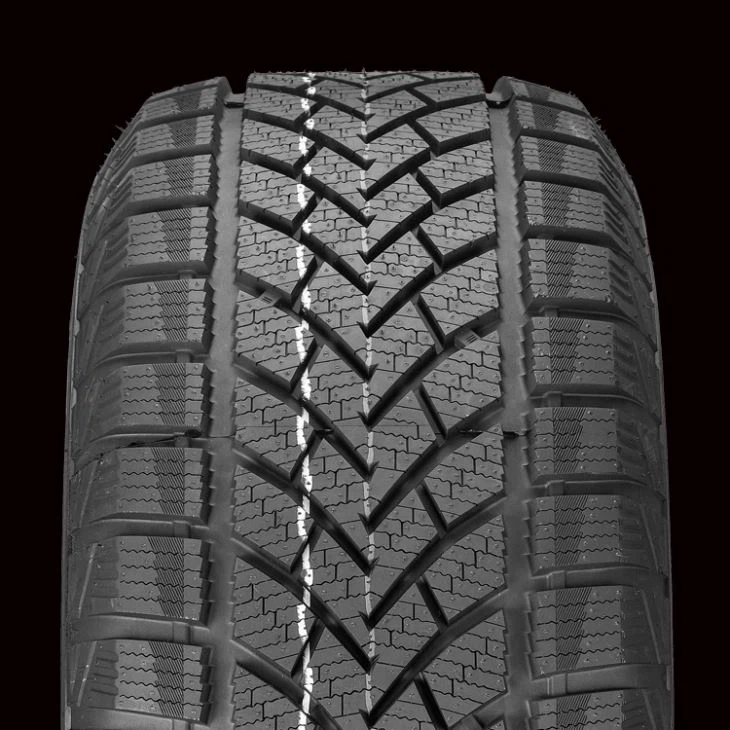
Winter tyres are exactly what the name suggests: tyres specially designed to provide strong traction and improved grip in winter conditions. They are engineered to work best in temperatures below 7°C, as well as in snow, on ice and when driving through standing water.

Description
Why Choose Us


Our Factory
Keman is committed to manufacture top quality tyres and wheels,bringing safety to every customers' automobile.At present the company has nearly 1100 patents,1800 employees.Our core value is Safety,Openness, Collaboration.


Our Product
Our products includes truck tyres,car tyres,industry tyres,OTR tyres,steels wheels,aluminum wheels with Keman brand and Polonez brand.


Production Market
Our products have been sold more than 70 countries and regions,200 containers are loaded and ship to all over the world every day.


Our Service
All of Keman products enjoy 3 years warranty.With providing global customers with the most valuable products and services as own duty,Keman has established perfect after service to maintain a great brand image.


Related Product


SUV Tyres

SUV Tyres

1. SUVA is SUV tyres with entire traffic pattern designed for SUV, pickup.
2. The use of a wide travelling surface to improve tire grip

Off Road Tyres

Off Road Tyres

Our Off Road Tyres are also called all terrain tires, which can handle various types of rugged terrain. They have good performance in various pavement such as rock, loose sand and mud.

OTR Tyres

OTR Tyres

The OTR Tyres are mainly designed for loaders, bulldozers, graders, scrapers, dumping and other equipment used for construction, stacking and loading applications. Secondly, due to the excellent traction, we have a smooth and comfortable riding experience.

Heavy Duty Truck Tyres

Heavy Duty Truck Tyres

As the only part of the vehicle that directly contacts with the ground, the heavy duty truck tyres have a great impact on the vehicle's driving performance and safety. It can bear the weight of the car, and together with the car suspension, it can ease the impact force when the car is running, so as to ensure that the car has good riding comfort and driving stability.

All Steel Radial Tyres

All Steel Radial Tyres

The all steel radial tyres are specially designed for the driving wheel of concrete mixer truck. The tire is designed with horizontal grooves and shoulder patterns, with excellent traction and braking performance.

Radial Truck Tires

Radial Truck Tires

The radial truck tires are a radial tire for trucks and buses in various road conditions. It has excellent guidance and anti sideslip performance.

Snow Tyres

Snow Tyres

WPCRA is snow tyres specialized snow tread design for winter driving.

Winter Tyres

Winter Tyres

WPCRA is winter tyres specialized snow tread design for winter driving.
Special rubber tread ensures grip under in low temperature conditions.

Passenger Car Tyre

Passenger Car Tyre

PCRD is designed for passenger car tyres.
Powerful central pattern effectively improves straight-line handling


What is Winter Tyres?


Winter tyres are exactly what the name suggests: tyres specially designed to provide strong traction and improved grip in winter conditions. They are engineered to work best in temperatures below 7°C, as well as in snow, on ice and when driving through standing water.


What Are The Benefits Of Winter Tyres?
 

Now we know that winter tyres do make a difference, here's a full list of benefits they provide:

Reduced braking distances

In wintry conditions-whether rain, snow or ice-winter tyres will reduce your braking distance by several metres compared with summer tyres

Better handling

The flexible rubber with greater elasticity in winter tyres ensures you'll get the best possible grip, traction and handling when driving in cold weather, allowing you to drive with confidence

Aquaplaning

The tread pattern of winter tyres helps to disperse more water from underneath the tyres, minimising the chances of aquaplaning on dangerous standing water

It's the law in some European countries

If you plan on traveling through Europe, whether for work or leisure, you'll need to make sure you're adhering to the local laws


Components Of Winter Tyres


1. Tread. Made from synthetic and natural rubber, it's comprised of three sections: the "cap", which is responsible for gripping the road and providing directional stability and wear-and-tear resistance, the "base" which reduces rolling resistance and damage to the casing and the "shoulder" which forms an optimal transition from the tread to the sidewall.

2. Jointless cap plies. Found just underneath the outer layer of the tyre, this nylon cord, embedded in rubber, enhances high-speed suitability.

3. Steel-cord for belt plies. High-strength steel cords that enhance shape retention and directional stability. As well as reducing the rolling resistance they help to increase the tyre's mileage performance.
4. Textile cord ply. Rayon or rubberized polyester controls the internal pressure and maintain's the tyre's shape.

5. The inner liner, made from butyl rubber, seals the air-filled inner chamber and acts as a tube in tubeless tyres.

6. The side wall protects the casing from external damage and atmospheric conditions. Information about the tyre can also be found on the side wall.

7. Bead reinforcement, made from nylon and aramid fibres, enhance directional stability and ensure steering precision.

8. Bead apex. This synthetic, rubber material also enhances directional stability and steering precision while improving comfort.

9. Bead core. This steel wire, embedded in rubber, ensures that the tyre sits firmly on its rim.


Winter Tyres


How do winter tyres work?

Their name suggests that they're snow tyres whereas actually they're cold weather tyres, capable of performing optimally on rain, ice, snow and dry, but cold, roads. Their softer compound makes it easier for them to grip roads at colder temperatures than summer and all-season tyres which are made of a harder compound.

Their tiny grooves bite into snow, ice and sludge, dispersing water at a fast rate and ensuring better breaking and more traction. Meanwhile, deeper tread grooves gather and hold snow, to help with grip on packed snow, and help the tyres disperse water to reduce the risk of aquaplaning.


Should I buy winter tyres?


In short – yes. The minor inconvenience of changing tyres is far out-weighed by the benefits. If you face wintry conditions in your region it is recommended – and in some countries even compulsory – to have winter tyres to handle different wintry conditions and driving surfaces.


Much more than just snow and ice
Winter tyres perform best at 7ᵒC and below, so they're suitable for much more than snow and ice conditions. Why? Because winter tyres have a different (softer) rubber compound than standard summer tyres - it doesn't harden in lower temperatures and gives better grip.


Braking distances
Braking distances are shorter in colder temperatures (7ᵒC and below) with winter tyres. You'll stop sooner on wet and icy roads. And stopping distances are vital - every metre makes a difference.


A better drive
Cold weather? Your vehicle will simply perform better on winter tyres. Their tread pattern, block edges, sipes, and rubber compound increase traction and braking performance on cold surfaces. And more edges mean better cornering and lane changing at higher speeds – increasing your driving safety and comfort whatever the weather.


Save money on fuel too
Use winter tyres when the temperature hits 7ᵒC and below and you'll cut fuel costs too. The tyres' structure means better transfer of lateral forces when steering, and flexible sidewall means less energy is lost when absorbing the impact with the road. So in colder conditions there's better rolling resistance for more kilometres to the litre.


Simply safer
Drivers are several times more likely to have an accident in the winter than summer – and the statistics prove it. You can significantly lessen the risk of becoming another negative statistic by fitting winter tyres – simply safer.


How to Choose the Right Winter Tires


Choosing the right winter or snow tires depends on where you drive, what you drive, and the winter weather your region gets on a regular basis. Let's take a look at the types of winter tires, tire size, compatibility with your vehicle, and more.


Tire Types and Performance Ratings

Winter tires are most often available without studs. Studless winter tires are designed to offer exceptional grip on snow and ice. But for added grip and control in the worst winter conditions, studded snow tires, or tires that allow for the addition of studs, can be a good choice. What are studs? Studs are lightweight, small metal spikes that are staggered and inserted across the tread of a tire. These studs protrude slightly from the rubber tread surface, helping break through packed snow and ice-covered roads to give you better traction.

Performance ratings, including the Three Peak Mountain Snowflake (3PMSF) symbol on a tire's sidewall, mean the tire has been tested and proven to offer additional traction in snow, ice, and slush.

Size, Compatibility, and Durability

The size of the winter tires you choose should match your vehicle's specifications, or at least fit the vehicle. You can find that information in your vehicle owner's manual or stop by Les Schwab. Our professionals can show you all of your snow tire options. These specifications include your vehicle's load index and speed rating. Finally, carefully consider the durability of any winter tires. When you buy snow tires at Les Schwab, they come with America's Best Tire Warranty, including 100% road hazard damage replacement with no expiration and our 60-day satisfaction guarantee.

Rubber Compounds and Tread Design

The tread design and rubber compounds found in today's premium winter tires work together to keep you in control when facing winter-covered roads. The rubber compound in winter tires remains flexible in cold temperatures, enhancing traction and grip while the tread is designed to dig deep and grip the snow and ice while sipes (small channels etched into the rubber and tread) move water and slush away from the tire.


What Schould I Pay Attention To Before Fitting Winter Tyres?


Before you have winter tyres fitted, you should take a note of the quality of the tyres. Specifically, you should pay special attention to the tread depth. While the legal minimum depth is 1.6 mm, we recommend ensuring winter tyres have 4 mm or more. This helps ensure some of the most vital properties, such as grip, braking distances and protection from aquaplaning.

Similarly, you should also check that neither the treads or sidewalls are not cracked or damaged. Any damage here can get worse on the roads, so don't fit weakened or damaged tyres to your car.

Likewise, if you store tyres in a garage, you should have them balanced as well. If they are not balanced correctly, this could have a negative influence on the car's suspension system, which could result in sideways movements, as well as causing uneven wear across the tyre set.

Finally, when it comes to these checks, make sure to check the tyre pressure. Tyres can lose pressure naturally, so they will not be at the same level as they were last year. Of course, adjusting the pressure here will also highlight any leaks that might have gone unnoticed.

For drivers, living in mild winter conditions (temperatures rarely drop below freezing), all-season tyres can be an alternative. All of our all-season tyres have the same M+S and the three-peak mountain snowflake symbol as winter tyres.


Our Factory


At present,the technical index of products has reached standards of the US Department of Transportation(DOT) and the Economic Committee of Europe(ECE), ISO/TS 16949 Certificate ,furthermore,it has passed the certification of ISO9001 uality Management System ,ISO14000 environment system attestation.


FAQ


Q: What Makes a Good Snow Tire?

A: A good winter tire includes the 3PMSF (Three Peak Mountain Snowflake) icon on the side of the tire, indicating it has met the criteria necessary to be considered a traction device. Additionally, snow tires that excel in winter conditions include a specialized rubber compound that keeps them flexible in freezing conditions along with deep tread that helps keep you in control.

Q: What is the Difference Between Winter Tires and Snow Tires?

A: There is no difference between snow and winter tires. Those are just two descriptions for the exact same tires. Whether you use the word snow or winter, those tires are designed to stay flexible in temperatures below 40º F. This flexibility helps increase grip on snow and ice for added control and braking. In contrast, all-season and summer tires are designed to work best when temperatures are above 40º F. However, all-season and performance tires will quickly become rigid and reduce their ability to grip as temperatures drop. This can cause longer braking distances and loss of control.

Q: Do Winter/Snow Tires Really Make a Difference?

A: When driving on snow, ice, or a combination of the two, winter or snow tires can make a difference. Winter tires are specifically designed with tread and a rubber compound that stays flexible as temperatures drop below 40º F. All-season tires cannot offer that kind of traction in freezing temperatures. Get to know the differences between all-season and winter tires.

Q: Do I Need Four Winter Tires or Just Two?

A: For the best traction and control, it's important to install snow tires on the front and rear. Installing snow tires on just the front or back of your vehicle might not offer the control and braking you need to stay safe. Driving with just two winter tires can cause unpredictable results for safety and performance on winter roads.

Q: Are M+S Tires Suitable for Winter Driving?

A: Mud and snow (M+S) rated tires do have an aggressive tread that can deliver good traction in many conditions. However, they're not specifically designed for winter driving and might not deliver the traction, control, and short stopping distances provided by a set of snow tires. That's because the rubber compound in M+S tires does not remain flexible in freezing conditions and is not considered a traction device.

Q: Is It Okay to Buy Used Winter Tires?

A: Before you jump on that set of "lightly used" winter tires, check three things carefully. Verify they are the right size for your vehicle, that the tread depth is good (or at least adequate for safety and winter performance), there is no uneven wear, and that they are all the same tire (you don't want mismatched snow tires on your vehicle).

Q: What is the difference between all season and passenger tires?

A: Know the difference between the various tire types
Winter tires provide outstanding grip on road surfaces covered with snow and ice, as well as wet roads in cold conditions. All-season tires combine characteristics of both summer and winter tires into a hybrid solution with the benefits of both.

Q: Can I Use Chains Instead of Winter Tires?

A: Chains and tire socks are NOT a replacement for snow tires in terms of overall safety and convenience. While tire chains and tire socks help provide added traction when winter road conditions are at their worst, you are limited to slower speeds when in use, and neither should be used on bare pavement. In some cases, traction devices (including chains) are mandatory for safety.

Q: Why is it called passenger tire?

A: As the name indicates, passenger tires are designed for standard passenger vehicles, including lighter trucks and SUVs. These tires ensure a smoother ride and exceptional traction in wet and dry conditions, all while providing adequate load carrying capacity for lightweight vehicles.

Q: When is the Best Time to Put on Winter/Snow Tires?

A: To beat the rush and avoid driving in winter conditions without your snow tires, get yours changed out in the fall when temperatures regularly drop below 45º F. In the spring, get your all-season or summer tires installed when temperatures reach 45º F regularly to maximize the life of your winter tires.

Hot Tags: winter tyres, China winter tyres manufacturers, suppliers, factory, polishing truck rims, 19 5 x 7 5 aluminum wheels, 15 alloy wheels, ultra aluminum rims, forged aluminum rims, 15x8 5x4 5 aluminum wheels

Related Products

Recommended