Contact Us+8618605327632

banner
Qingdao Keman Corporation Limited : Your Professional Wheels Supplier!


We are the world's leading supplier of tires and wheels, founded in 2002. After 17 years of development, the company has extensive influence in the tire and wheel industry. We are committed to manufacturing high-quality tires and wheels that bring safety to every customer's car.


Rich Product Range
Our company can produce truck tires, car tires, industrial tires, OTR tires, steel wheels, aluminum wheels, mining tires, alloy wheels, truck rims, radial truck tires and more.


Quality Guaranteed
The product technical indicators have reached the standards of the U.S. Department of Transportation (DOT) and the Economic Commission for Europe (ECE), passed ISO/TS 16949 certification, and passed ISO9001 quality management system and ISO14000 environmental system certification.


Advanced Production Equipment
Our company has introduced CNC spinning machines from German LEIFELD and SSB companies, Italian IMT CNC machining centers, and Spanish AUTOPULIT polishing machines; we have also introduced automatic testing equipment from the American BTI company, and introduced 5 highly automated production lines, equipped with more than 120 advanced equipment Taiwan sets, more than 50 robots.


Leading Service
We have many years of industry experience and a complete production management, quality supervision, sales service operation system. Whether you're looking to purchase truck tires or industrial tires, just email your requirements and we can customize the product for you.


  • Aluminum Wheels
    Aluminum Wheels

    Advancing the traditional casting process with a mix of usa design, the Aluminum wheels is new staple in the Keman product lineup, it is a split five-spoke design that employs...

  • Steel Truck Wheels
    Steel Truck Wheels

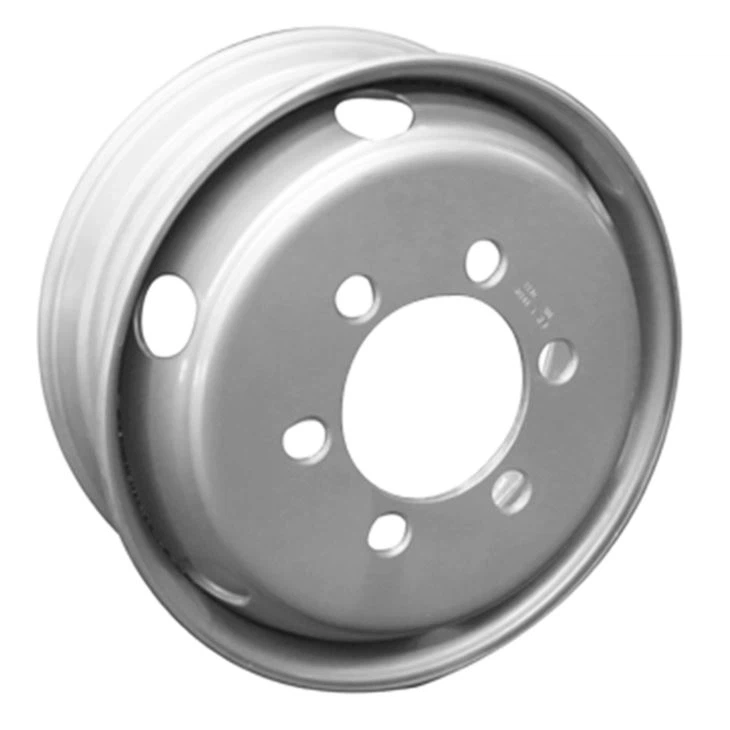
    Steel truck wheels designed for usa market
    Usage on drive, steer and trailer axle
    Positive hub-piloting and cone-lock clamping leads to improved wheel life

  • Car Rim
    Car Rim

    Car rims, also known as wheels, are the circular metal components that interface with the tire and connect to the vehicle's hub. They are an essential part of the wheel...

  • Forged Truck Wheel
    Forged Truck Wheel

    Alloy wheels are automotive wheels made from a combination of metals, most commonly aluminum, magnesium, or both, mixed with small amounts of other elements such as silicon,...

  • Alloy Wheels
    Alloy Wheels

    A forged truck wheel is a type of wheel that is manufactured using a process called forging. This process involves shaping metal into a desired form under high pressure and...

  • Car Wheels
    Car Wheels

    Alloy forged wheels; 1-piece forged wheels; luxury forged wheels; concave forged rims;Forged aluminum wheels; OEM acceptable

  • Aluminum Rims
    Aluminum Rims

    Aluminum Alloy rims , Alloy wheels, car aluminum alloy wheel,car wheels ,rims ,wheel rims ,dish,car wheel hub ,OEM acceptable

  • Car Rims
    Car Rims

    Aluminum Alloy car wheels,car aluminum alloy wheel,Alloy wheels,car wheels,rims,wheel rims ,dish,car wheel hub ,OEM acceptable

  • Car Wheel
    Car Wheel

    Lightweight design facilitates acceleration, braking, and fuel economy performance
    A variety of colors and processes are available
    Our car wheels can be...

  • Car Rim
    Car Rim

    Our car rim’s advanced technology ensures lightweight and performance under harsh conditions
    The reinforced structure at the rim of the hub is conducive to the balance...

  • Truck Wheels
    Truck Wheels

    The truck wheels enjoy the good corrosion resistance
    The fully enclosed spraying process ensures a flawless appearance
    The latest steel formula gives the...

  • Steel Wheels
    Steel Wheels

    Steel wheels for truck axles
    Perfect balance and durability
    Excellent corrosion resistance in hot and humid climate and high salinity environment

First Prev 12 Next Last 1/2

Recommended

Aluminum Wheels


What is Wheels

A wheel is a round, circular object with spokes or rims that rotates around an axis. They are commonly used as components in vehicles, machinery, and various devices to facilitate movement or transportation. Our wheels also include aluminum wheels, car wheels and more.


Features of Aluminum Wheels


Aesthetics
Aluminum Wheels typically just look far more stylish than others. This is largely due to a more complex manufacturing process to create the alloy wheels, which lends itself to more creative and even custom designs.


Performance
Looks aren’t the only thing that alloy wheels have going for them, they can also help improve vehicle performance. For instance, Aluminum Wheels are significantly lighter than steel ones, something that helps a vehicle in terms of fuel economy, braking and accelerating. Steering and handling is also often improved with Aluminum Wheels. The lighter wheels also help limit wear and tear on other vehicle components, like the engine, transmission and suspension.


Lightweight
Aluminum Wheels are significantly lighter than their steel counterparts, something that helps improve a vehicle’s fuel economy, strain on various components and enhance its handling. Keep in mind that every 10 percent reduction in weight that can be achieved translates to up to a 7 percent enhancement when it comes to fuel economy.


Corrosion-Resistant
A final key benefit to Aluminum Wheels – and the alloy material – is that they are more corrosion and rust resistant compared to steel and other metals.


Process of Aluminum Wheels
Car Wheels
 

Forging

Forging can be done by a one or multistep process forging from various magnesium alloys, most commonly AZ80, ZK60 (MA14 in Russia). Wheels produced by this method are usually of higher toughness and ductility than aluminium wheels, although the costs are much higher.Forging is a complicated process that involves such processes, as heating, rolling, applying high pressure, hammering and/or combination of these.

Truck Wheels
 

High Pressure Die Casting

This process uses a die arranged in a large machine that has high closing force to clamp the die closed. The molten magnesium is poured into a filler tube called a shot sleeve. A piston pushes the metal into the die with high speed and pressure, the magnesium solidifies, and the die is opened, and the wheel is released. Wheels produced by this method can offer reductions in price and improvements in corrosion resistance, but they are less ductile and of lower strength due to the nature of high pressure die casting.

Steel Truck Wheels
 

Low Pressure Die Casting

This process usually employs a steel die, it is arranged above the crucible filled with molten magnesium. Most commonly, the crucible is sealed against the die and pressurized air/cover gas mix is used to force the molten metal up a straw-like filler tube into the die. When processed using best practice methods, low pressure die casting wheels can offer improvements in ductility over magnesium wheels and any cast aluminium wheels, they remain less ductile than forged magnesium.


Types of Aluminum Wheels
 

Cast Wheels
These are the most popular type of aluminum wheels, made by pouring molten aluminum into a mold and allowing it to cool into shape. They are lightweight and offer decent performance at an affordable price. There are two subcategories of cast wheels:


Gravity Cast Wheels
Made by simply allowing gravity to fill the mold cavity, resulting in a less dense, less strong wheel.


Low-Pressure Cast Wheels
Involve applying low pressure to push the aluminum into the mold, creating a stronger, more precise wheel.


Forged Wheels
Forged from a solid billet of aluminum under high pressure, these wheels are much stronger and lighter than cast wheels. Forging improves the metal's grain structure, making forged wheels ideal for high-performance vehicles and off-roading.


Flow-Formed Wheels
This process starts with a cast wheel blank that is then stretched over a rotating mandrel while high pressure is applied to the outer edges. The result is a lightweight and strong wheel that combines some aspects of casting and forging.


Billet Wheels
Made from a solid block of aluminum that is machined down to create the wheel. Billet wheels are very strong and customizable but also the most expensive due to the extensive machining required.


How to Choose Aluminum Wheels


Vehicle Compatibility
Ensure the wheels fit your vehicle's bolt pattern, which is the number of lugs and the diameter of the circle they form. Additionally, check the offset, which is the distance from the wheel's hub mounting surface to its centerline, and the width to ensure they will properly fit within your fenders.


Size and Weight
Larger wheels may improve handling and give a sportier look but can reduce sidewall height, potentially affecting ride quality. Heavier wheels can negatively impact fuel efficiency and acceleration. Look for wheels that offer the right balance for your needs.


Material and Construction
Consider the differences between cast, forged, flow-formed, billet, two-piece, and three-piece wheels. Forged and billet wheels are stronger and lighter but more expensive. Cast and flow-formed wheels offer a good balance of strength, weight, and cost.


Load Rating and Durability
Check the load rating to ensure the wheels can support your vehicle's weight, especially important for trucks and SUVs. Also, consider whether you need wheels that can withstand harsh conditions, such as off-roading or high-speed track use.


Finish and Appearance
The wheel's finish affects its appearance and durability. Common finishes include painted, polished, machined, powder-coated, and chrome-plated. Consider the style you want and how the finish will hold up to the elements and wear over time.


How to Maintain Aluminum Wheels


Cleaning

Regular cleaning is essential to keep your rims and Aluminum Wheels looking their best. When cleaning your rims and wheels, make sure to use a cleaner that is specifically designed for them. Avoid using harsh chemicals or abrasive materials that can damage the finish of your rims and wheels. To clean your rims and Aluminum Wheels, start by rinsing them with water to remove any loose dirt or debris. Then, apply the cleaner and use a soft-bristled brush to scrub away any dirt or grime. Rinse the rims and Aluminum Wheels thoroughly with water and dry them with a clean, soft towel.

Repair

If your rims or wheels become damaged, it is important to have them repaired as soon as possible. Damage to your rims or Aluminum Wheels can cause them to become unbalanced, which can affect your car’s handling and performance. If you notice any damage to your rims or wheels, such as bent spokes or lug holes, take your car to a professional to have them repaired. A professional can assess the damage and recommend the best course of action.

Replacement

If your rims or wheels are beyond repair, you may need to replace them. When choosing new rims or Aluminum Wheels, make sure to select ones that are the same size and style as your original rims and wheels. This will ensure that they fit properly and do not affect your car’s performance.


What is Steel Wheels

Steel wheels are automotive wheels constructed from steel, which is an alloy primarily composed of iron and carbon. Unlike aluminum wheels, steel wheels are heavier but also stronger and more durable, which makes them resistant to dents and bends. They are often coated with a layer of chrome or painted to protect against rust and corrosion.

Car Wheels


Aluminum Rims


Features of Steel Wheels

Durability
Steel wheels are stronger than alloy wheels. The chances of cracking upon impact are very low. Worst case, they may bend, which can be easily repaired. That’s why you will see steel wheels on hardcore off-road SUVs because they can take the beating of rough terrains.


Easy to Repair
Repairing steel wheels is easy and does not cost much. Removing a dent or bend on a steel wheel requires nothing more than hammering. The process is quick, inexpensive and straightforward.


How to Maintain Steel Wheels


Regular Cleaning
Regular cleaning is essential for maintaining steel wheels. Dirt, grime, and brake dust can accumulate on the wheels, leading to corrosion and wear over time.


Inspect For Damage
Regularly inspect your steel wheels for any signs of damage. This includes checking for cracks, bends, or any deformities that can affect the wheel’s performance.


Apply a Protective Coating
Applying a protective coating to your steel wheels can help prevent rust and corrosion.


Proper Tire Mounting and Balancing
Proper tire mounting and balancing are crucial to maintaining the integrity of steel wheels. Improper mounting can lead to uneven wear and damage to both the tires and wheels.


Rotate Tires Regularly
Rotating your tires regularly is another key aspect of maintaining steel wheels. This practice ensures even wear across all tires, prolonging their lifespan and that of the wheels.


Store Wheels Properly
If you change your wheels seasonally, proper storage is essential to maintain steel wheels when not in use.


What is Alloy Wheels

Alloy wheels are automotive wheels made from a mixture of metals, primarily aluminum, combined with other elements such as magnesium, silicon, copper, manganese, zinc, magnesium, nickel, chromium and titanium. The use of this alloy material is designed to increase the strength and durability of the wheel while reducing weight, thereby providing better fuel efficiency, acceleration performance and handling stability.

合金车轮


Features of Alloy Wheels


Lighter Than Steel

Alloy wheels are indeed lighter than the steel wheels of the same size. This is further attributed to the fact that both aluminum and magnesium metals are lighter than steel. The light-weightiness of these wheels is not only advantageous in terms of weight reduction, but also in performance improvement and vehicle handling.

 
Visually Appealing

At no time will steel wheels look as good as alloy wheels, the cosmetic upgrade, as well as the heightened visual impact provided by alloy wheels, is one of the major reasons why people opt for them. your car will evidently stand out from the rest and moreover, increases its value.

 
Better Heat Conduction/Dissipation

Alloys were introduced in the manufacturing industries for one major reason, they are better heat conductors than pure metals. This feature has been extended in automobiles and alloy wheels are able to dissipate heat better than traditional steel wheels.

 
Better Fuel Economy

Since alloy wheels are lighter than steel, as mentioned above, improved performance and handling further increase the fuel efficiency of the vehicle to a certain degree. Light wheels mean the car will be pulling less weight, reducing fuel consumption, which is a major factor for car owners these days.


How to Maintain Alloy Wheels


Apply Wheel Cleaner To the Wheels
Choose a high-quality wheel cleaner suitable for alloy wheels. Spray the wheel cleaner evenly onto each alloy wheel, covering all areas, including spokes and crevices.


Scrub the Wheels With a Brush or Sponge
Use a soft-bristle brush or a non-abrasive sponge to avoid scratching the surface of the wheels. Gently scrub in circular motions, paying extra attention to any stubborn dirt or brake dust buildup. Avoid using harsh chemicals or abrasive tools that could damage the alloy finish.


Dry the Wheels With a Microfiber Cloth
Pat dry each wheel thoroughly using a clean microfiber cloth to ensure a spotless finish. Avoid air drying as it can leave water spots on your newly cleaned alloy wheels, diminishing their shine. Take the time to inspect for missed spots and re-dry if necessary, maintaining your attention to detail throughout the process.


Polishing the Wheels
Polishing your alloy wheels is an essential step in maintaining their shiny appearance. Start by applying a high-quality wheel polish to each wheel, covering the entire surface. Use a clean cloth to buff the polish into the wheels, using circular motions for even coverage. Once you're satisfied with the shine, remove any excess polish with another clean cloth, ensuring a flawless finish.


Apply Wheel Polish to the Wheels
Choose a high-quality wheel polish to ensure the best results. Apply a small amount of polish onto a microfiber cloth and work it into all areas of the wheel surface, including any crevices or spokes.


Remove Any Excess Polish
Inspect each wheel carefully for any remaining residue or streaks. Wipe away excess polish using another clean microfiber cloth. Ensure that there are no smudges or marks left on the wheels.


Frequently Asked Questions


Q: What are the primary advantages of aluminum wheels over steel wheels?

A: Aluminum wheels offer several advantages over their steel counterparts, including reduced weight, which leads to improved fuel efficiency and handling performance. They also provide better heat dissipation, which can enhance braking effectiveness and reduce brake fade. Additionally, aluminum wheels have a more aesthetic appearance and can contribute to a vehicle's overall look and value.

Q: How do aluminum wheels contribute to improved fuel efficiency?

A: The lighter weight of aluminum wheels reduces unsprung mass, which means there's less weight for the suspension to move up and down with each wheel rotation. This reduction in mass allows the vehicle's suspension to work more efficiently, leading to better tire contact with the road and ultimately improving fuel economy.

Q: Can aluminum wheels improve a vehicle's handling?

A: Yes, aluminum wheels can contribute to better handling due to their lower mass. With less weight to rotate, the wheels can respond more quickly to steering inputs, leading to a more agile and responsive driving experience.

Q: What is the impact of aluminum wheels on brake performance?

A: Aluminum wheels conduct heat away from the brakes more effectively than steel wheels. This improved heat dissipation helps maintain optimal braking performance by reducing brake fade, which occurs when brakes overheat and lose some of their effectiveness.

Q: Are aluminum wheels stronger than steel wheels?

A: In terms of tensile strength, steel wheels are generally stronger than aluminum wheels. However, aluminum wheels are engineered to be strong enough for everyday use, and they are often more resistant to corrosion and fatigue cracking compared to steel wheels.

Q: How do environmental conditions affect aluminum wheels?

A: Aluminum wheels are more susceptible to damage from extreme temperatures and harsh chemicals such as road salts and deicing agents. Prolonged exposure to these elements can lead to corrosion and pitting if not properly maintained.

Q: Can aluminum wheels be repaired after damage?

A: Minor damage to aluminum wheels, such as scratches and curb rash, can often be repaired through sanding, filling, and painting. However, more severe damage may require welding or even replacement of the wheel. The repairability of a damaged aluminum wheel depends on the extent and location of the damage.

Q: Do aluminum wheels have any disadvantages?

A: Aluminum wheels can be more expensive than steel wheels, both in terms of initial purchase and potential repairs. They are also more prone to damage from impacts and can suffer from "heel" and "toe" wear patterns due to the way they flex under load.

Q: How do you clean and maintain aluminum wheels?

A: To maintain aluminum wheels, regular cleaning with a mild soap and water solution is recommended. Avoid using harsh chemicals or abrasive materials that can scratch the finish. Waxing the wheels can provide additional protection against the elements.

Q: What types of vehicles typically use aluminum wheels?

A: Aluminum wheels are commonly found on passenger cars, sports cars, luxury vehicles, SUVs, and trucks. High-performance and premium models often come equipped with aluminum wheels as standard or as optional equipment due to their performance benefits and aesthetic appeal.

Q: Can aluminum wheels affect a vehicle's ride quality?

A: The effect of aluminum wheels on ride quality is minimal compared to other factors such as tire type, suspension setup, and vehicle weight distribution. However, because aluminum wheels are stiffer than steel wheels, some drivers might perceive a slightly firmer ride, but this difference is usually subtle.

Q: What is the process of manufacturing aluminum wheels?

A: The manufacturing process of aluminum wheels involves several steps, starting with the casting of molten aluminum into a mold to create the basic shape. The cast wheel is then machined to achieve precise specifications, including the bolt pattern, center bore, and lip size. Finishing processes such as polishing, painting, or powder coating are applied to enhance the wheel's appearance and protect it from corrosion.

Q: Can aluminum wheels increase a vehicle's resale value?

A: Upgrading to aluminum wheels can potentially increase a vehicle's resale value, especially if the wheels are in good condition and add to the vehicle's aesthetics and perceived performance. However, the actual impact on resale value will depend on the type of vehicle and the preferences of potential buyers.

Q: What factors should be considered when choosing aluminum wheels?

A: When choosing aluminum wheels, factors to consider include the wheel's size, offset, bolt pattern, and weight. Compatibility with the vehicle's suspension system and tires is critical. Additionally, the wheel's design, finish, and price should align with the buyer's preferences and budget.

Q: How do different finishes on aluminum wheels affect their durability?

A: The durability of aluminum wheels can vary depending on the finish. For instance, clear coat finishes provide good protection but can show scratches more easily, while powder-coated wheels offer excellent durability and resistance to chipping and peeling. Polished wheels require more maintenance to prevent oxidation and damage.

Q: What is the weight difference between aluminum and steel wheels?

A: On average, aluminum wheels can weigh between 20% to 40% less than equivalent steel wheels. A typical 18-inch aluminum wheel might weigh around 20 pounds, while a similar steel wheel could weigh closer to 30 pounds or more.

Q: Can aluminum wheels be customized?

A: Aluminum wheels can be customized in various ways, including color, finish, and design. Customization options range from simple painted wheels to intricately machined designs. Some manufacturers offer bespoke services where customers can design their own unique wheel patterns.

Q: What is the lifespan of aluminum wheels?

A: With proper maintenance, aluminum wheels can last the lifetime of a vehicle. They are resistant to rust and can withstand years of use, although they may require refinishing or repair due to cosmetic damage.

Q: Do aluminum wheels affect a vehicle's insurance premiums?

A: The impact of aluminum wheels on insurance premiums is minimal and varies by insurer. Insurers may consider the value of the wheels when assessing coverage, but the effect on premiums is typically not significant unless the wheels are high-end aftermarket items that significantly increase the vehicle's value.

Q: How do aluminum wheels perform in winter conditions?

A: Aluminum wheels can be used in winter conditions, but they may be more susceptible to damage from salt and sand used for deicing roads. It's important to ensure that the wheels are thoroughly cleaned and protected during the winter months to prevent corrosion. Proper tire selection, such as using winter tires, is also crucial for maintaining traction and safety in snowy and icy conditions.
We're well-known as one of the leading wheels manufacturers and suppliers in China. If you're going to buy or wholesale high quality wheels for sale, welcome to get more information from our factory. For price consultation, contact us. wheel polish, studded truck tires, alloy rim paint