Contact Us+8618605327632

banner
Forged Truck Wheel

Forged Truck Wheel

Alloy wheels are automotive wheels made from a combination of metals, most commonly aluminum, magnesium, or both, mixed with small amounts of other elements such as silicon, manganese, copper, zinc, or nickel. The alloying process enhances certain properties of the metal, such as its strength, corrosion resistance, and heat dissipation capabilities, making alloy wheels desirable for use in automotive applications.

Description
Qingdao Keman Corporation Limited : Your Professional Alloy Wheels Supplier!


We are the world's leading supplier of tires and wheels, founded in 2002. After 17 years of development, the company has extensive influence in the tire and wheel industry. We are committed to manufacturing high-quality tires and wheels that bring safety to every customer's car.


Rich Product Range
Our company can produce truck tires, car tires, industrial tires, OTR tires, steel wheels, aluminum wheels, mining tires, alloy wheels, truck rims, radial truck tires and more.


Quality Guaranteed
The product technical indicators have reached the standards of the U.S. Department of Transportation (DOT) and the Economic Commission for Europe (ECE), passed ISO/TS 16949 certification, and passed ISO9001 quality management system and ISO14000 environmental system certification.


Advanced Production Equipment
Our company has introduced CNC spinning machines from German LEIFELD and SSB companies, Italian IMT CNC machining centers, and Spanish AUTOPULIT polishing machines; we have also introduced automatic testing equipment from the American BTI company, and introduced 5 highly automated production lines, equipped with more than 120 advanced equipment Taiwan sets, more than 50 robots.


Leading Service
We have many years of industry experience and a complete production management, quality supervision, sales service operation system. Whether you're looking to purchase truck tires or industrial tires, just email your requirements and we can customize the product for you.


Related Product Introduction


Steel Truck Wheels

Steel Truck Wheels

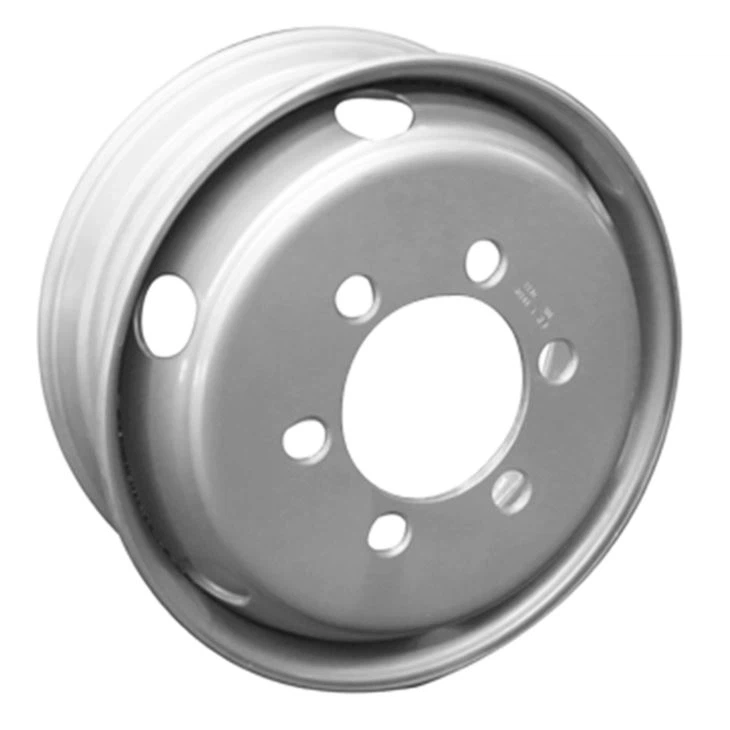
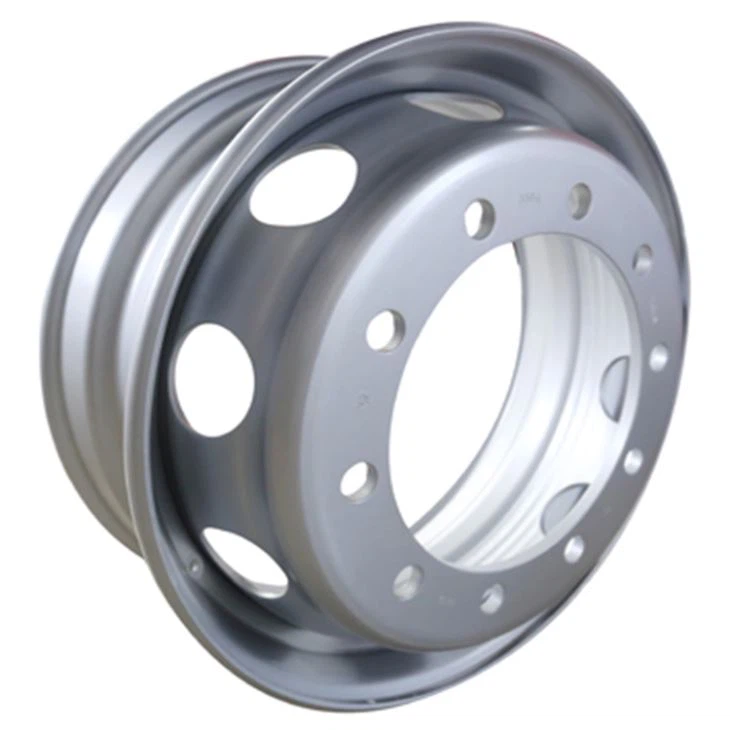
Steel truck wheels are a critical component of heavy-duty vehicles, designed to support the weight and demands of commercial trucks. They consist of steel rims with either pneumatic tires or solid rubber tires attached. Steel wheels are known for their durability, strength, and ability to withstand harsh road conditions, extreme temperatures, and heavy loads.

Truck Wheels

Truck Wheels

Truck wheels are the circular components on which the tires of a truck are mounted. These wheels are engineered to support the weight of the truck and its cargo, endure various road conditions, and provide traction. There are different types of truck wheels, which can be classified based on material, design, and application.

Steel Wheels

Steel Wheels

Steel wheels are a type of vehicle wheel made from steel. They are known for their durability, strength, and ability to withstand harsh road conditions, extreme temperatures, and heavy loads. Steel wheels are typically less expensive than aluminum alloy wheels and are often chosen for their lower cost and longer lifespan. However, they are generally heavier than aluminum wheels, which can negatively impact fuel efficiency and vehicle performance. Steel wheels are commonly used on commercial trucks, agricultural equipment, and some passenger cars, especially those that require a sturdy and reliable wheel option.

Truck Rims

Truck Rims

Truck rims are the outer circular parts of wheels that hold the tire in place. In the context of trucks, rims are typically larger and stronger than those found on passenger vehicles to accommodate the increased weight and demands placed upon them. They are crucial components that contribute to the overall performance, durability, and safety of the truck.

Forged Truck Wheel

Forged Truck Wheel

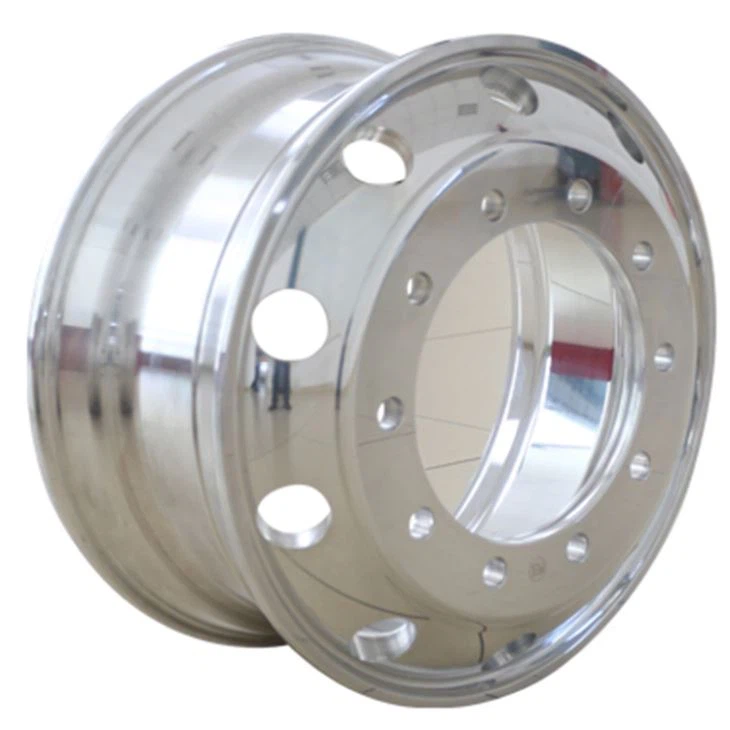
A forged truck wheel is a type of wheel that is created through a process called forging. Forging is a manufacturing process that involves shaping metal while it is hot and under high pressure. This method differs from casting, which involves pouring molten metal into a mold and allowing it to solidify.

product-730-730

Alloy Wheels

Forged aluminium alloy wheels reach the world's leading technology
Perfect unification of practicality and economy


What is Alloy Wheels


Alloy wheels are automotive wheels made from a combination of metals, most commonly aluminum, magnesium, or both, mixed with small amounts of other elements such as silicon, manganese, copper, zinc, or nickel. The alloying process enhances certain properties of the metal, such as its strength, corrosion resistance, and heat dissipation capabilities, making alloy wheels desirable for use in automotive applications.


Features of Alloy Wheels
 

Lighter Weight
Alloy metals like aluminium and magnesium have around a third of the density of steel while maintaining excellent structural properties. Reduced unsprung weight improves vehicle handling, acceleration, and fuel economy.


Increased Strength
Innovative alloy wheel construction and metallurgy facilitate superior strength-to-weight ratios over dated steel wheel designs, enhancing impact tolerance.


Better Heat Dissipation
Alloy materials, especially forged aluminium wheels, offer higher thermal conductivity, dissipating brake heat for cooler calliper operation and lower risk of warping rotors or blown-out tyres.


Corrosion Resistance
Alloys fend off salt, water and weather damage far better than ordinary steel, resulting in lasting good looks and less risk of hidden structural corrosion issues over the service life.


More Wheel Options
Alloy manufacturing delivers greater freedom of shapes, depths, widths, diameters, and intricacy in styling, which is unavailable via basic steel stamping production. Everything from delicate spokes to masculine multi-piece modular builds satisfy driver desires.


Types of Alloy Wheels
Alloy Wheels
Truck Wheels
Forged Truck Wheel
Steel Wheels

One-Piece Alloy Wheels
Alloy wheels machined entirely from a single metal block in one piece are the most common type in passenger vehicles today. This monoblock technique allows for clean, consistent styling lines and structural integrity. One-piece alloy wheel construction ranges from basic disc shapes to complex spoke formations.


Two-Piece Alloy Wheels
Two-piece or "modular" alloy wheel construction consists of two sections - an inner aluminium alloy structural rim base welded to an outer steel or alloy barrel that bolts onto the wheel hub and forms the outer tread surface. Two-piece wheels allow more customisation flexibility on diameters, depths, and design elements.


Three-Piece Alloy Wheels
Three-piece alloy wheel systems take the customisation even further. They feature an inner rim hoop, middle spoke components, and an external outer rim that bolts together to enable bespoke combinations. Three-piece alloy wheel builds allow for deeper concavity designs and easier repair of light curb damage.


Forged Alloy Wheels
Forged alloy wheels stand up to harsh conditions in performance and racing environments. Forging delivers more freedom over sophisticated designs than casting with its flowing metal-shaping abilities. However, lower material yield rates mean substantially higher costs.


Carbon Fibre Wheels
Exotic hypercars and elite racing vehicles are starting to adopt even lighter carbon fibre composite wheels. Made by layering carbon fibre cloths into moulds with epoxy resins and then oven curing, carbon wheels offer extreme rigidity and reduced rotational mass for faster acceleration.


Flow Formed Alloy Wheels
This specialised manufacturing procedure uses a regular cast alloy wheel and extreme roller pressure against the rim to "flow" or compress the aluminium into its final shape. The flow-forming process enables smoother, stronger curves & bulges than direct casting.


Spun Alloy Wheels
Primarily seen on older vehicles, spun alloy wheels involve artisan specialists using a spinning lathe to shape hot solid aluminium discs into one-piece wheels manually. Spun construction allows for prototypes & limited runs where expensive casting tooling isn't practical.


Monoblock Alloy Wheels
Any alloy wheel machined or cast as a single integrated piece is often called a "monoblock." This highlights the one-piece design with no joints versus modular construction methods. Monoblock alloy wheels span simple one-piece discs to complex multi-spoke styles in a single-flowing form.


Multi-Piece Alloy Wheels
Any alloy wheel comprised of two more sections, including modular two-piece, three-piece, and even four-piece designs sometimes found on heavy-duty vehicle applications, falls under the multi-piece category. Multi-piece wheels allow for greater customisation and replaceability.


Beadlock Alloy Wheels
Beadlock rims utilise an additional outer locking ring bolted onto the wheel to clamp down tyre beads and allow ultra-low inflation pressures for off-roading. This lets tyres conform and grip rough terrain better without slipping the rim. But bead locks add expense and make tyre swaps more difficult.


How to Choose Alloy Wheels
 
 
Vehicle Make & Model

Wheel diameter, width, offset/backspacing, and bolt patterns differ widely across vehicle platforms. So, shop wheels are designed to integrate with your year, make precisely, and model for guaranteed compatibility.

 
Performance Level

Basic cost-focused alloy wheel upgrades still enhance most vehicles over steel, while all-out forged racing rims satisfy hardcore enthusiasts but overkill family cars. Consider intended vehicle use before over or underspending.

 
Weather Conditions

Those dealing with extreme winters, coastal humidity or blazing desert summers should emphasise all-weather alloy durability. Corrosion-resistant finishes and robust sealing help rims endure regional challenges.

 
Road Conditions

Urban environments with endless curb scratches & dings demand durable finishes and modular designs that are easier to repair. At the same time, rutted rural backroads call for high-strength, one-piece forged alloy protection.


How To Maintain Alloy Wheels
 

Wash Regularly

Built-up contaminants like road debris, dirt, and especially road salt are the natural enemies of alloy wheel surfaces. Frequently removing grime with mild soap prevents abrasion damage and tarnished visible surfaces.

Apply Wheel Wax

Wax protects the sheen of alloy finishes and makes future washing easier when grime accumulation attempts to bond. Spray wax also helps defend against corrosion and weathering effects over months of real-world exposure.

Inspect For Damage

Periodically check alloy rims for cracking damage or flaws along with wheel bolt/nut tightness. It takes only minutes but ensures safety and optimum wheel lifespans.

Repair Light Damage

Minor curb scratches, scuffs, or discolouration should be remedied immediately with abrasives and metal polishes before oxidation spreads deeper beneath topcoat layers, causing permanent visual blights and enabling structural issues over the long term.


Applications of Alloy Wheels
 
01/

SUVs and Trucks
While steel wheels are still common in base models of SUVs and trucks, many upper trims and aftermarket configurations opt for alloy wheels. The added strength and durability of alloy wheels make them suitable for carrying heavier loads and navigating off-road terrains.

02/

Motorsports
In racing, where every fraction of a second counts, alloy wheels are almost universally used due to their lightweight and heat dissipation properties, which enhance vehicle dynamics and safety.

03/

Aftermarket and Customization
Alloy wheels are a popular choice for vehicle customization among car enthusiasts. They allow for a wide array of designs, sizes, and finishes that can personalize the look of a car and improve its performance.

04/

Agriculture and Construction
Certain heavy-duty vehicles in agriculture and construction may use alloy wheels designed to withstand harsh working conditions. These wheels are engineered for durability and are often larger to accommodate the vehicles' work requirements.


Frequently Asked Questions


Q: What are alloy wheels and how do they differ from steel wheels?

A: Alloy wheels are made by casting or forging aluminum alloys with other metals such as magnesium or silicon to create a lightweight, yet strong wheel. They offer improved handling, better braking, and enhanced aesthetics over traditional steel wheels. The lighter weight of alloy wheels also contributes to better fuel efficiency and overall vehicle performance.

Q: What materials are typically used in the manufacturing of alloy wheels?

A: The most common materials used in the manufacturing of alloy wheels include aluminum alloys, with magnesium and silicon being added to enhance strength and durability. Some high-end alloy wheels may also incorporate titanium or carbon fiber elements to further reduce weight and improve performance.

Q: Can alloy wheels be customized in terms of size, color, and design?

A: Yes, alloy wheels can be customized in various ways to suit individual preferences and vehicle requirements. Customers can choose from different sizes, colors, and designs to match their vehicle's style and performance needs. Many manufacturers offer a wide range of options, while some specialized companies provide fully customized solutions.

Q: How do alloy wheels impact a vehicle's performance?

A: Alloy wheels significantly impact a vehicle's performance by reducing unsprung mass, which leads to improved handling and braking. The lighter weight of alloy wheels also enhances acceleration and fuel efficiency. Additionally, alloy wheels provide better heat dissipation, which helps maintain optimal tire pressure and performance.

Q: Are alloy wheels suitable for all types of vehicles?

A: While alloy wheels offer numerous benefits, they may not be suitable for all types of vehicles. Some off-road or heavy-duty vehicles may require stronger, more durable steel wheels to handle harsh conditions and loads. It is essential to consider the specific requirements and intended use of a vehicle when choosing between alloy and steel wheels.

Q: What factors should be considered when selecting alloy wheels for a vehicle?

A: When selecting alloy wheels for a vehicle, several factors should be taken into account, including wheel size, offset, bolt pattern, and load rating. It is crucial to ensure that the chosen wheels are compatible with the vehicle's suspension system and braking system. Additionally, the aesthetic appeal and price of the wheels should also be considered based on personal preferences and budget constraints.

Q: Can alloy wheels be repaired or refurbished if damaged?

A: Yes, alloy wheels can be repaired or refurbished if damaged. Minor scratches and dents can often be repaired using specialized techniques, while severely damaged wheels may require more extensive repairs or replacement. Refurbishment services can restore the appearance and performance of worn or damaged alloy wheels, making them look like new again.

Q: How often should alloy wheels be cleaned and maintained?

A: To keep alloy wheels in optimal condition, they should be cleaned regularly to remove brake dust, dirt, and debris. It is recommended to clean the wheels at least once a month or more frequently if exposed to harsh conditions. Maintaining proper tire inflation and regular inspections for wear and tear are also important for ensuring the longevity and performance of alloy wheels.

Q: What are the disadvantages of alloy wheels compared to steel wheels?

A: While alloy wheels offer numerous advantages, there are some potential disadvantages to consider. Alloy wheels can be more expensive than steel wheels, and they may be more susceptible to damage from curb strikes or potholes. Additionally, alloy wheels tend to have a higher replacement cost if damaged beyond repair.

Q: How do alloy wheels contribute to a vehicle's braking performance?

A: Alloy wheels play a significant role in enhancing a vehicle's braking performance. The lighter weight of alloy wheels reduces unsprung mass, allowing the vehicle's suspension to react more quickly to changes in road surface and braking forces. This improved responsiveness allows for shorter stopping distances and better overall braking stability.

Q: Can alloy wheels be used in winter conditions?

A: Alloy wheels can be used in winter conditions, but it is essential to choose the right type of tires for cold weather driving. Snow tires or all-season tires with adequate tread depth and rubber compound are necessary for maintaining traction on slippery roads. Additionally, it is crucial to keep alloy wheels properly maintained and cleaned during the winter months to prevent corrosion and damage from salt and snow.

Q: How do alloy wheels affect a vehicle's ride comfort?

A: Alloy wheels can slightly alter a vehicle's ride comfort depending on their size, design, and offset. Larger wheels may provide a more aggressive stance and improved handling but can sometimes result in a harsher ride due to increased unsprung mass. Conversely, smaller wheels may offer a smoother ride but compromise on handling and performance. It is essential to find the right balance between wheel size and ride comfort based on personal preferences and vehicle characteristics.

Q: What is the difference between cast and forged alloy wheels?

A: Cast and forged alloy wheels are two different manufacturing processes used to produce wheels. Cast wheels are created by pouring molten metal into a mold and allowing it to cool and solidify. This process is less expensive and allows for complex designs but results in a slightly heavier wheel with lower tensile strength. Forged wheels, on the other hand, are made by pressing heated metal into a die under high pressure, resulting in a stronger, lighter wheel with superior performance characteristics. However, forged wheels are generally more expensive due to the complexity of the manufacturing process.

Q: How do alloy wheels affect a vehicle's resale value?

A: Well-maintained alloy wheels can positively impact a vehicle's resale value. The presence of high-quality, stylish alloy wheels can make a vehicle more attractive to potential buyers and increase its perceived value. Conversely, neglected or damaged alloy wheels can detract from a vehicle's appearance and reduce its resale value.

Q: Can alloy wheels cause vibrations or noise in a vehicle?

A: In some cases, alloy wheels can cause vibrations or noise if they are not properly balanced, aligned, or if they have damage such as bends or cracks. Improper installation or the use of low-quality tires and wheel components can also contribute to these issues. It is essential to ensure that alloy wheels are correctly installed and balanced by a professional mechanic to minimize the risk of vibrations and noise.

Q: How do alloy wheels perform in off-road conditions?

A: Alloy wheels are generally not recommended for severe off-road conditions as they may be more susceptible to damage from rocks, debris, and impacts compared to steel wheels. Off-road vehicles often require stronger, more durable wheels to handle rough terrain and heavy loads. However, some specialized alloy wheels designed for off-road use may offer improved performance and durability in these conditions.

Q: How do alloy wheels impact a vehicle's aerodynamics?

A: Alloy wheels can slightly affect a vehicle's aerodynamics due to their shape and design. Sleek, aerodynamic wheels can help reduce drag and improve fuel efficiency, while bulkier or more intricate designs may increase drag and reduce fuel economy. It is essential to consider the aerodynamic properties of alloy wheels when choosing them for a vehicle, especially if optimizing fuel efficiency is a priority.

Q: What is the future trend for alloy wheel technology?

A: The future trend for alloy wheel technology includes advancements in materials science, manufacturing processes, and design innovations. New materials such as advanced aluminum alloys, magnesium composites, and even carbon fiber may be used to create lighter, stronger, and more sustainable wheels. Advanced manufacturing techniques like 3D printing may allow for more complex and efficient wheel designs. Additionally, the integration of smart technology into alloy wheels, such as sensors for monitoring tire pressure and temperature, may become more prevalent in the coming years.

Hot Tags: forged truck wheel, China forged truck wheel manufacturers, suppliers, factory, semi truck steel rims, 14 aluminum rims, rally snow tires, polish alloy wheels mirror finish, black alloy paint, wheel rim polishing

Related Products

Recommended