Contact Us+8618605327632

banner

What Is Light Truck Tyre


Light truck tires are built with a rugged carcass that includes thicker plies and sidewall reinforcements. They're engineered to support the weight of SUV and trucks, as well as the higher carrying demands those vehicles come with.


Advantages of Light Truck Tyre


Load Carrying Capacity: Light truck tires are designed to handle heavy loads and have a higher load index rating compared to passenger car tires.

Durability: Light truck tires are constructed with thicker and stronger sidewalls to withstand the weight and stress of the vehicle. They are built to be more puncture-resistant and durable for rougher terrains.

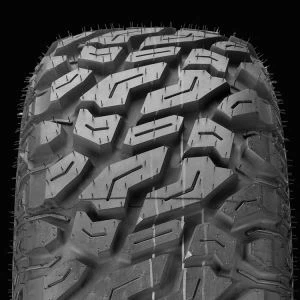
Traction: Light truck tires have aggressive tread patterns that offer better grip on various surfaces. They are designed to provide traction in off-road conditions, snow,rain, and mud.

Off-road capabilities: Light truck tires often have features like wider grooves. Larger sidewall lugs, and additional biting edges to enhance off-road performance. They can handle uneven terrain and provide better control while driving through rough landscapes.

Al-Weather Performance: Light truck tires are designed to perform well in different weather conditions, including wet and dry surfaces. They have advanced tread compounds and siping designs that offer improved handling. braking. and stability.

Longevity: Light truck tires are built to be long-lasting and provide mileage. They often have stronger and harder compounds compared to passenger car tires to resist wear and tear.

Load Range: Light truck tires are available in various load range options. Indicating their capacity to carry different load weights. This allows users to choose the appropriate tire based on their specific needs.

Size And Fitment Options: Light truck tires come in a wide range of sizes to accommodate different vehicle mode!s and requirements. They can fit various rim sizes and help optimize the performance and handling of the vehicle.

  • SUV Tyres
    SUV Tyres

    1. SUVA is SUV tyres with entire traffic pattern designed for SUV, pickup.
    2. The use of a wide travelling surface to improve tire grip

  • Off Road Tyres
    Off Road Tyres

    ​layer tread high anti-pack and high-strength tread material, providing excellent durability
    reducing tread deformation, maintaining excellent handling performance

  • SUV Tyres
    SUV Tyres

    They are made with tougher, more durable rubber compounds and deeper treads to handle rough roads, gravel, mud, and snow with ease. Additionally, SUV tyres often have larger...

  • Off Road Tyres
    Off Road Tyres

    Off-road tires are a category of vehicle tires that use deep tread to provide more traction on unpaved surfaces such as loose dirt, mud, sand, or gravel. Compared to ice or...

  • Off Road Tyres
    Off Road Tyres

    Our off road tyres are also called all terrain tires, which can handle various types of rugged terrain. They have good performance in various pavement such as rock, loose sand...

  • SUV Tires
    SUV Tires

    Snow tires, also known as winter tires, are tires designed for use on snow and ice. Snow tires have a tread design with larger gaps than those on conventional tires, increasing...

  • SUV Tires
    SUV Tires

    SUVC is high performance for SUV tires.
    Precise spacing and angle block design provide low noise

  • 4x4 Tires
    4x4 Tires

    SUVM is 4x4 tyre for sports utility vehicle
    Large shoulder blocks and tread center blocks are for maximum traction in muddy conditions.

  • SUV Tyre
    SUV Tyre

    3D shape anti-clamping stone, more beautiful: tire shoulder and tread pattern using 3D groove and reinforced rib design, to prevent the tread stress concentration, while...

  • SUV Tire
    SUV Tire

    SUVM2 is SUV tire for MUD road.
    Large shoulder blocks make good performance in muddy conditions.

Recommended

Why Choose Us


Our Factory

Keman is committed to manufacture top quality tyres and wheels,bringing safety to every customers' automobile.At present the company has nearly 1100 patents,1800 employees.

Our Product

Our products includes truck tyres,car tyres,industry tyres,OTR tyres,steels wheels,aluminum wheels with Keman brand and Polonez brand.

Our Certificate

At present,the technical index of products has reached standards of the US Department of Transportation(DOT) and the Economic Committee of Europe(ECE), ISO/TS 16949 Certificate ,furthermore,it has passed the certification of ISO9001 uality Management System ,ISO14000 environment system attestation.

Our Service

All of Keman products enjoy 3 years warranty.With providing global customers with the most valuable products and services as own duty,Keman has established perfect after service to maintain a great brand image.


Tyre Comparison - What Are The Differences Between Light Truck Tyre And Car Tyres


Light Truck Tyre Load Capacity

Light truck tyres are tailored for vehicles engaged in light to heavy-duty tasks, frequently bearing varied loads. They strike a balance between stability and agility with a typical load range of 10 ply, rendering them apt for handling substantial weight. On the flip side, commercial tyres are designed primarily for passenger vehicles with a modest load range of around 4 ply. Their construction is more aligned towards delivering a comfortable ride rather than bearing heavy loads.

 
Tyre Size

Size is where light truck tyres conspicuously tower over their commercial counterparts. They are broader and larger, a design intended to handle greater weights and ensure durability under demanding conditions. The spacious interior allows for more air, thus increasing pressure and strength, essential for carrying hefty loads. Contrarily, commercial tyres are smaller, a design choice aligning with their primary function of ferrying passengers rather than hefty cargo.

 
Tyre Tread

The tread on a tyre is the grooved rubber on its circumference that makes contact with the road. Light truck tyres possess complex tread patterns with around 20/32nds of tread, facilitating better grip, especially under heavy loads and rough terrains. Commercial tyres, with simpler tread patterns of about 10/32nds, are optimized for smoother terrains, ensuring a safe and comfortable ride for passengers. The lack of complex tread might, however, compromise their performance on rough or slippery terrains.

 
Tyre Sidewalls

The resilience of light truck tyres extends to their sidewalls, which are constructed with additional material making them more rigid and resistant to wear and tear, especially from rough terrains. In contrast, commercial tyres have less rigid sidewalls which, while providing a comfortable ride, might succumb to external damage in challenging environments sooner, potentially leading to more frequent maintenance or replacements.

 
Tyre Flexibility

Light truck tyres, with their rigid construction, are significantly less flexible compared to commercial tyres. While this rigidity bodes well for durability and heavy load-bearing, it might translate to a less forgiving ride on rough terrains. Commercial tyres, built for passenger comfort, exhibit greater flexibility, promising a smoother ride on well-paved roads and softer terrains.


Understanding The Components Of Light Truck Tyres

Understanding the components of a light truck tyre can help you decide whether to buy reasonably priced, high-quality tyres or less expensive tyres. One of the essential parts of your vehicle is its tyres. It is the only part that will make contact with the ground. Be sure of what you are getting into before making a purchase.

You can choose the right tyre for your budget and safety by having a better understanding of the various components of a tyre. Although the design of tyres can vary depending on what they are used for, the fundamental parts are always the same. The components of Light Truck Tyres in can be categorised as external and internal parts. Here are its different components:

SUV Tyres
Off Road Tyres
SUV Tires
4x4 Tires

External Parts

Tread Blocks And Voids
First, it is important to mention tyre tread, which is the surface-level component that directly grips the road as you drive. It takes a certain type of tread design to grip the road in various kinds of weather conditions. On icy or wet roads, tyres that were flat would lose handling. The tread is set up in blocks to limit this. The raised sections of tyre rubber, known as tread blocks, are always separated from one another by grooves, despite their size variations. Your handling in dry weather improves with longer tread blocks, while your handling in wet weather improves with shorter tread blocks. Tire voids, also known as spaces between tread blocks, are bigger in off-road tyres than they are on vehicles designed for the road.


Tread Sipes
The tread sipes are a crucial component of the tread for enhancing grip. When you drive, and your tyre makes contact with the road, the tiny sipes with diagonal grooves in the tyre will bend and grip the surface. This happens as a result of the fact that these slit-like grooves conform to a surface better than a continuous material. So it increases the amount of tyre surface that touches the road. The tread blocks and sipes on tyres typically have a directional or non-directional pattern. To keep water or snow from the grippy tyre tread surface, directional tyres are designed to rotate in one direction.


Sidewall
The shoulder connects the tread and sidewall on the outside of the tread. The tyre make and model are typically displayed on the relatively smooth sidewall, which is the part of the tyre that is closest to the rim. The sidewall's function is to maintain the integrity of the tire's internal components while offering support and flexibility.


Internal Components

Tire Body Piles
This is made up of several plies, and it is the actual tyre. In order to bond with other plies and belts and seal in the air, plies, like polyester cords, run perpendicular to the tread of the tyre. Tire strength and resistance to road damage are provided by plies. In addition to giving the tyre strength, the cord body also transfers cornering forces from the tread to the wheel. The cord body is made up of body plies, rubber-coated fabric cord. Polyester, rayon, or nylon can be used to make body plies. The most popular fabric is polyester.


Belt Plies
In the area of the tyre just below the tread, there are belt plies with two or more thick cord layers. The belt plies main purpose is to give the tread of tyres strength and stability. Improved traction, impact resistance, and tyre mileage are all a result of their use. Belt plies typically use steel as the cord material.


Tire Inner Liner
This is the layer that is closest to the inside of a tubeless tyre and keeps air from entering the tyre. It is a rubber material that is bonded to the interior of the cord body and acts as an inner liner that traps air when it is compressed. It performs the same role as an inner tube but lacks cord reinforcement. But keep in mind that most modern tyre no longer contain inner tubes. To keep the air inside the tyre walls, a tire's beads, bead filler, and the inner liner will cooperate together.


Carcass And Bead
The inner liner is surrounded by a layer of cords known as carcass. It helps the compressed air inside maintain its shape by providing a semi-rigid frame. The tire's carcass also plays a significant role in determining the ideal tyre pressure and maximum load that it can support. The tyre is securely fastened to the rim by a thin bead made of wire, steel, and rubber. Additionally, it offers some structural support, aiding in maintaining the tire's shape.


Bottom Line
The above-given are the main components of Light Truck Tyres in Jamberoo. Now with an understanding of the tyre components, you may have got an idea about buying a light truck tyre. When buying light truck tyres, never forget to enquire about these components.


Light Truck Tyre Market Analysis And Latest Trends


A light truck tyre is a type of tyre specifically designed for light trucks, vans, and SUVs. These tyres are manufactured with reinforced sidewalls to withstand heavier loads and provide better stability and handling on various road conditions.

The light truck tyre market is experiencing significant growth due to the increasing demand for commercial vehicles and the growing trend of off-road adventures. The market analysis indicates that the rising e-commerce industry and the need for efficient transportation services are driving the demand for light trucks, thereby boosting the demand for light truck tyres. Additionally, the increasing disposable income of consumers and their willingness to invest in recreational activities have led to a surge in sales of SUVs and light trucks, further contributing to the market growth.

Furthermore, advancements in tyre technology, such as the development of fuel-efficient tyres and the integration of advanced safety features, are influencing the market trends. Manufacturers are focusing on producing tyres with low rolling resistance to enhance fuel efficiency and reduce carbon emissions. There is a growing emphasis on developing tyres with enhanced traction and grip for better off-road performance.

The market also witnesses a rising preference for all-season light truck tyres that can perform well in different weather conditions, eliminating the need for frequent tyre replacements.The increasing adoption of online platforms for tyre sales and the presence of multi-brand online retailers are further propelling the market growth.

SUV Tyre

What Happens When Your Tires Are Overinflated Or Underinflated


When you drive with over-inflated tires, you risk:
Problems with handling and safety. Your tires can't give as much on the sidewall, and precise braking could be compromised. You'd also be risking reduced traction.
Rapid, uneven tire wear. Your tire will wear much faster, and only in the center because the rubber will bulge in the middle, increasing that area's contact with the road.
Blowouts. Bald strips can't dissipate heat as well, and that means your tires can suddenly blow out.

When You Drive With Under-Inflated Tires, You Risk


Tire failure and safety. Underinflated tires greatly increase braking distances and can dramatically affect steering and handling. Also, when tire pressure is significantly low, more of the tire's tread face touches the road and causes friction. That friction can lead to overheating, which can cause tread separation and blowouts in extreme cases.

Premature wear, reducing your tire life by 15 per cent or more. Under inflation wears your tires on both outside shoulders because the edges are making excessive contact with the road.

Poor gas mileage. Vehicles with underinflated tires see reduced fuel economy because they make your engine work harder: underinflated tires put more tire surface in contact with the road, causing more rolling resistance and friction with the road.

The result is poor gas mileage and higher fuel costs - up to 1.3 cents per litre! Depending on how often you fill up, that can lead to hundreds of dollars over the space of a single year.

SUV Tire

The Basics Of Light Truck Tires


Light truck tires are built with a rugged carcass that includes thicker plies and sidewall reinforcements. They're engineered to support the weight of SUVs and trucks, as well as the higher carrying demands those vehicles come with.

Since LT tires are built with a more robust construction, they're more durable than your average tire. The tradeoff here is that their stiffer sidewalls make bumps harder to absorb. This further causes more vibrations when driving and road noise on the highway.
Most all-terrain tires and mud tires are LT rather than the standard passenger tire design. The thicker walls make them an outstanding choice for off-road use.

When installing LT tires on your off-road rig, pay attention to the tire's load range. While the LT designation means you have a tougher tire, unless you're dealing with hauling or towing, you likely don't need the highest load range. A lower load range can still provide the durability you need while keeping your ride relatively comfortable during your commute to the trail.

How Are Light Truck Tyre Manufactured


Tire manufacturing is a complex process. Each tire manufacturer follows unique and proven procedures, from raw materials selection to quality management.

There Are Five Main Stages In Tire Manufacturing, Which, According To Are As Follows:


Sourcing Good Quality Material: The first step in tire manufacturing. Choosing reliable and standardised recycled secondary materials allows manufacturers to make tires circular. Manufacturers can get recovered medium-grade Carbon Black, recovered steel, and feedstocks to produce fine-grade virgin Carbon Black. They can also source carbon materials and chemical additives from other recycled biological materials. Choosing materials depends on their properties and interactions with each other because the end goal is to produce a strong and stable tire. The mixed chemical composition makes tires resistant to decomposition by chemicals or high temperatures during recycling.


Manufacturing Components: A step that requires mixing different materials to produce various tire components. For example, steel cords and rubber for beads, etc.


Tire Assembly: This is the stage where the components of prepared belts are wound and glued together. The end-product of this confectioning stage is called a “green tire.”


Vulcanisation: This step completes the process and gives the tires their final shape, including the tread and its patterns. Since the EU stipulates that the minimum tread groove is at 1.6 mm, some manufacturers add a tread Depth indicator: 3 mm for summer tires and 4 mm for winter tires.


Quality control: Tires must pass quality tests to meet stringent safety standards (UNECE, SAE). Improper quality control during manufacturing can produce hidden defects in materials and tires. Most of these tend to occur at the interface of different materials and can be at the shoulder, internal, external, side, or tread. Quality checks during manufacturing are vital to reducing user risks and financial burdens on customers and producers.


Off Road Tyres


Light Truck Tires Versus Passenger Tires

There are a number of differences between passenger tires and light truck tires, but the main distinction boils down to construction. Light truck tires are built with fortified cords and internal belts that enable them to shoulder the extra load. The rubber compound of LT tires also differs from passenger tires as they’re built to endure more heat generated from carrying more weight.

On the outside, LT tires tend to have a more squared-off shoulder and aggressive tread pattern than the smooth passenger tire. They also generate more road noise and offer a stiffer ride due to higher inflation specifications and heavy-duty construction. Lastly, light truck tires take more energy to turn than a passenger tire, affecting fuel mileage.


What Are The Main Parts Of a Light Truck Tyre
 

The various components used in making a tire are also crucial for material recovery. Several materials can go into making a single component depending on its function. Let’s discuss some components common to all tires below:

Bead has steel cord in rubber bundles to secure the tire to the wheel rim and prevent wear and tear by rubbing against the edge.

Bead Filler is a synthetic rubber component wrapped on the top and around the bead and between body plies to tune the ride.

Innerliner is made of butyl rubber and is necessary to maintain inflation pressure.

Carcass or body ply is made of textile, fiberglass, and aramid cords to retain tire shape and prevent the tire from bursting during inflation.

Sidewall is made of natural rubber, protects the carcass, and can withstand bending and aging.

Belts are composed of steel cords encased in rubber. Belts prevent carcass damage, stabilise the tread, and reduce rolling resistance.

Tread and tread patterns can have synthetic or natural rubber, depending on their use. It’s the part that comes in contact with the road and provides grip and abrasion resistance.


Our Factory


Keman is a leading golbal provider of tyre and wheels,founded in 2002 by Keman Liu.After 17 years of development,the company has a broad influence in tyre and wheel industry field.Our products includes truck tyres,car tyres,industry tyres,OTR tyres,steels wheels,aluminum wheels with Keman brand and Polonez brand.

productcate-1-1


FAQ
 

Q: What are the benefits of Light Truck tyres?

A: Light Truck tyres have a more aggressive pattern than highway terrain tyres with stronger side walls and better protection from side wall damage. they also have cut and chip resistance and give substantially better traction on wet slippery surfaces.

Q: Do LT tires affect gas mileage?

A: An LT tire will ride rougher and stiffer as it requires a higher air pressure to carry the same load. The LT tire will also weigh more, which doesn't help the ride and hurts fuel economy.

Q: How often should I rotate my tires?

A: How you know when to rotate tires depends on vehicle mileage. Namely, it's a best practice to rotate tires every 5,000 to 7,500 miles or so. This is a rule of thumb, however, and you'll want to double-check with your vehicle's owner's manual for more specific information.

Q: Do I need LT tires for my truck?

A: Many SUV, minivans, and smaller pickup trucks (under ¾ ton) also use passenger-rated tires. Vehicles like ¾ ton or larger pickup trucks, work vans and trucks, and other large vehicles that regularly carry heavy loads or pull heavy trailers will need Light Truck (LT) tires.

Q: What is the difference between SUV and Light Truck tires?

A: SUVs almost never take an LT size, but trucks can take both. LT tires can handle a heavier load than passenger tires. Light truck tires are typically more durable, because they're made with a thicker rubber compound than other tires. However, they usually cost more than passenger truck tires.

Q: Why are truck tires expensive?

A: Oil is used in the manufacturing of rubber, from creating synthetic rubbers to shaping and shipping. The entire manufacturing process of a single car tire can use around seven gallons of oil, and the process for a truck tire can average 22 gallons of oil.

Q: What tires get better gas mileage?

A: Tire Size. Larger tires decrease your fuel economy because they are heavier, while smaller tires increase fuel efficiency. Bigger tires also have a higher rolling resistance than smaller tires which means they require more resistance and effort to get them rolling.

Q: What makes a Light Truck tire?

A: Light truck or LT-metric tires have more rigid sidewalls and deeper treads than their P-metric counterparts. Their “heavier” construction also makes them superior for hauling heavy loads and navigating rough terrain.

Q: Why does gas mileage drop with new tires?

A: The automotive industry estimates a 10% increase in tire rolling resistance equals a 1% to 2% decrease in vehicle fuel efficiency. So, drivers should expect a 2% to 4% decrease in mpg after installing new tires.

Q: Are Light Truck tyres better than all terrain Tyres?

A: Light truck tires feature a meatier tread pattern than highway terrain tires and strong sidewalls that provide enhanced protection from exterior damage. They are also capable of carrying heavy loads which makes them great for industrial work and towing.

Q: What are the benefits of LT tires?

A: Because LT tires come with higher load carrying capacities and a more robust construction, they're far more rugged and durable than your average passenger tire, making them perfect for extra weight and tough road conditions.

Q: What are Light Truck tyres?

A: Light Commercial tyres are designed for both on and off-road use, with a load capacity ranging from ½ ton to 1 ton. Bumps and potholes are no longer a problem either, the tyre's robust internal construction makes them perfect for frequent trips over rough industrial ground.

Q: What is the difference between a trailer tire and a Light Truck tire?

A: Once you know what you're looking for, they're easy to differentiate. First, most passenger tires will bear a code of P for Passenger, or LT for Light Truck in front of the other numbers on the tire. Trailer tires have a code of ST. Second, trailer tires have thicker sidewalls, and narrower tread width.

Q: Do I need Light Truck tyres?

A: Light truck tyres support vehicles between ½-1-ton. So, if you have a 3/4 ton or 1-ton ute, you need LT tyres as they offer the correct load-carrying capacity. Light Trucks are built for heavy vehicles with thicker, reinforced sidewalls and tough internal construction to accommodate the weight.

Q: What are Light Truck tires for?

A: An “LT” on your sidewall before that long string of numbers and letters denoting your tire size signifies the tire is a "Light Truck-metric" size; it was designed for use on a vehicle that carries heavy cargo loads or tows a large trailer.

Q: What are the different types of truck tyres?

A: There are three different types of tyres for trucks based on their axle position: steer tyres, drive tyres and trailer tyres. The tyres are designed for optimal performance in their specific axle position. Therefore, you should only ever fit each type of tyre to its corresponding axle position.

Q: What is the difference between PC and LT tires?

A: While an LT tyre is heavier duty than a passenger vehicle tyre, it is not for major loads. Commercial tyres are made to stand up to incredible pressure while travelling for extended periods without needing to be replaced.

Q: What two types of tires are found on HD trucks and trailers?

A: Trailer tires are available in either bias ply or radial ply constructions. Bias ply tires typically can carry more weight for longer periods of time but tend to have more irregular wear and a rougher ride than radial tires. Radial ply tires provide a smoother ride and are better suited for highway driving.

Q: What are truck tyres made of?

A: Truck tyres have around 30% natural rubber and 5% synthetic. Natural rubber is very strong. Not only is it resistant to tearing and abrasion, it also dampens vibrations well and is good at gripping the road surface.

Q: Are Light Truck tires good?

A: Because LT tires come with higher load carrying capacities and a more robust construction, they're far more rugged and durable than your average passenger tire, making them perfect for extra weight and tough road conditions.
We're well-known as one of the leading light truck tyre manufacturers and suppliers in China. If you're going to buy or wholesale high quality light truck tyre for sale, welcome to get more information from our factory. For price consultation, contact us.snow tires in rain, chrome pvd aluminum wheels, 18 inch winter tires