Contact Us+8618605327632

banner
SUV Tyres

SUV Tyres

They are made with tougher, more durable rubber compounds and deeper treads to handle rough roads, gravel, mud, and snow with ease. Additionally, SUV tyres often have larger sidewalls, offering increased protection against impacts and punctures, which is crucial for off-road driving.

Description
Why Choose Us


Our Factory
Keman is committed to manufacture top quality tyres and wheels,bringing safety to every customers' automobile.At present the company has nearly 1100 patents,1800 employees.Our core value is Safety,Openness, Collaboration.


Our Product
Our products includes truck tyres,car tyres,industry tyres,OTR tyres,steels wheels,aluminum wheels with Keman brand and Polonez brand.


Production Market
Our products have been sold more than 70 countries and regions,200 containers are loaded and ship to all over the world every day.


Our Service
All of Keman products enjoy 3 years warranty.With providing global customers with the most valuable products and services as own duty,Keman has established perfect after service to maintain a great brand image.


Related Product


Off Road Tyres

Off Road Tyres

Our Off Road Tyres are also called all terrain tires, which can handle various types of rugged terrain. They have good performance in various pavement such as rock, loose sand and mud.

OTR Tyres

OTR Tyres

The OTR Tyres are mainly designed for loaders, bulldozers, graders, scrapers, dumping and other equipment used for construction, stacking and loading applications. Secondly, due to the excellent traction, we have a smooth and comfortable riding experience.

Heavy Duty Truck Tyres

Heavy Duty Truck Tyres

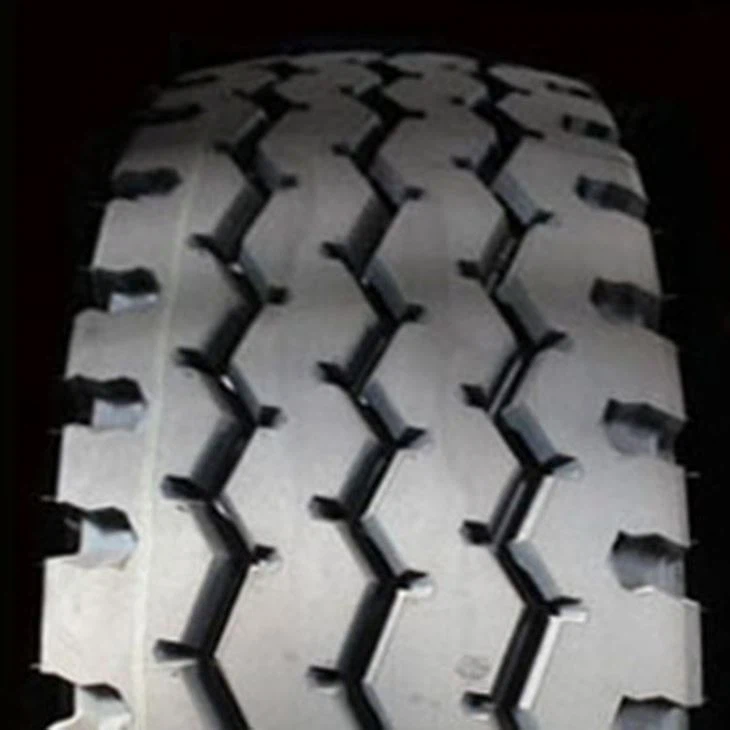
As the only part of the vehicle that directly contacts with the ground, the heavy duty truck tyres have a great impact on the vehicle's driving performance and safety. It can bear the weight of the car, and together with the car suspension, it can ease the impact force when the car is running, so as to ensure that the car has good riding comfort and driving stability.

All Steel Radial Tyres

All Steel Radial Tyres

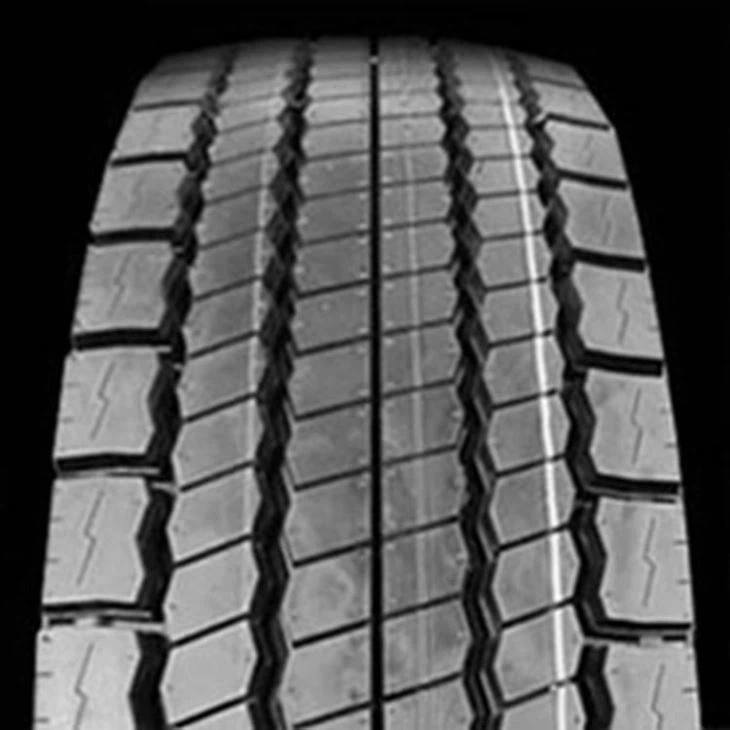
The all steel radial tyres are specially designed for the driving wheel of concrete mixer truck. The tire is designed with horizontal grooves and shoulder patterns, with excellent traction and braking performance.

Radial Truck Tires

Radial Truck Tires

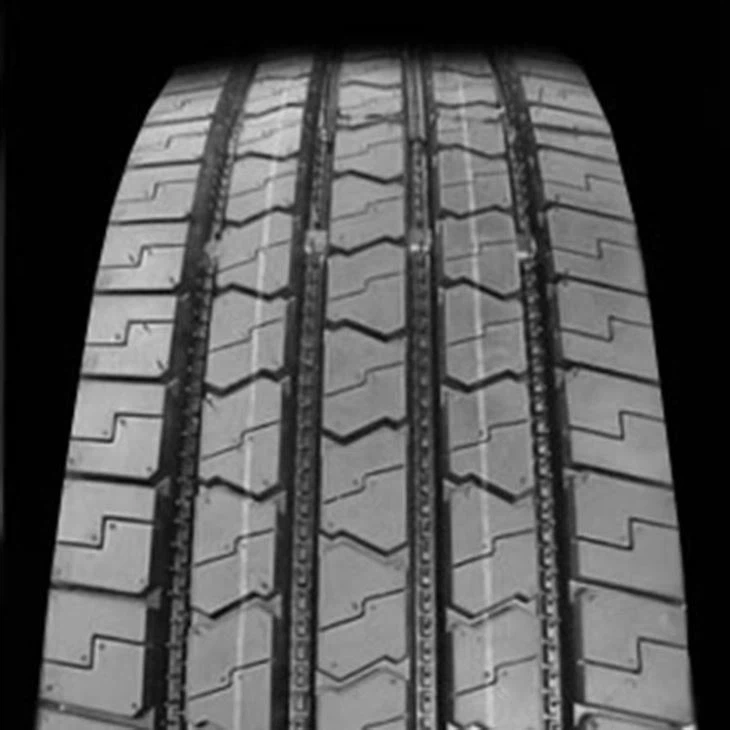
The radial truck tires are a radial tire for trucks and buses in various road conditions. It has excellent guidance and anti sideslip performance.

Snow Tyres

Snow Tyres

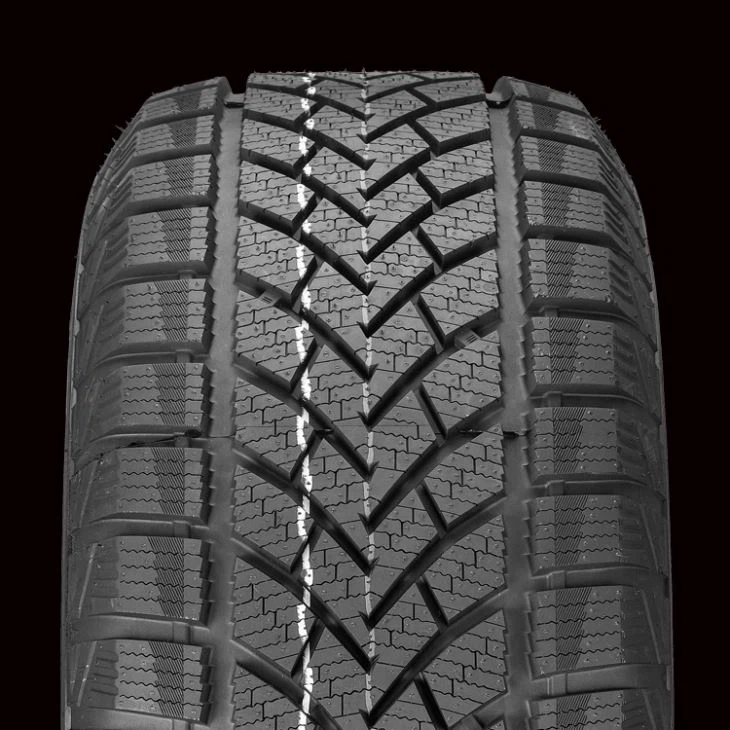
WPCRA is snow tyres specialized snow tread design for winter driving.

UHP Tires

UHP Tires

Our UHP Tires are economical ultra-high performance tires, which provide reliable traction and handling on highways, and will bring you a highly smooth driving experience.

SUV Tyres

SUV Tyres

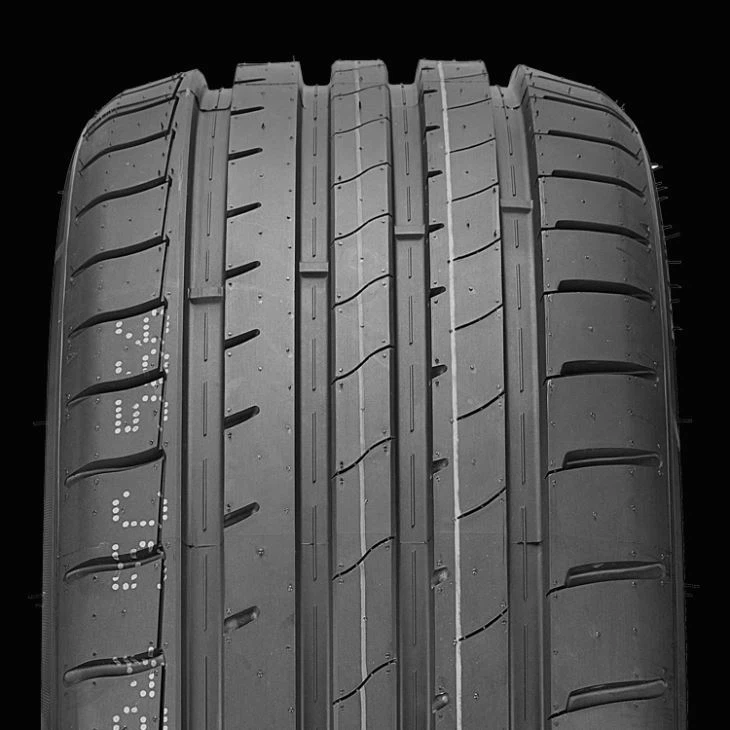
1. SUVA is SUV tyres with entire traffic pattern designed for SUV, pickup.
2. The use of a wide travelling surface to improve tire grip

4x4 Tires

4x4 Tires

SUVM is 4x4 tyre for sports utility vehicle
Large shoulder blocks and tread center blocks are for maximum traction in muddy conditions.


What is SUV Tyres?


They are made with tougher, more durable rubber compounds and deeper treads to handle rough roads, gravel, mud, and snow with ease. Additionally, SUV tyres often have larger sidewalls, offering increased protection against impacts and punctures, which is crucial for off-road driving.


What Should a Good Suv Winter Tyre Have?


There is no one-size-fits-all design that will ensure safety and seasonal performance whatever the conditions. However, when buying new winter tyres for your SUV, there are a few things to look out for:

The tread pattern should usually be more extensive than on summer models. More blocks and edges provide better grip in snow and mud, and the numerous channels and grooves drain water more efficiently, preventing it from clogging up the tread surface.

There should be sipes in the blocks: Special cross-cuts that aid driving in the snow. The cuts are easy to recognise due to their characteristic wavy structure.

The winter rubber compound is more flexible, so it doesn't stiffen up when exposed to low temperatures. This effect is most often achieved with the addition of high-quality silica. You can check the composition of the tyre compound in the information provided by the manufacturer.

Look for the symbol '3PMSF', the only European tyre label that indicates winter suitability. The symbol 'M+S' is merely a manufacturer's declaration.


How to Choose a SUV Tyre
 

Original Fitment. That first drive of a new SUV is something to be savoured. You can't get that back but the next best thing is replacing the tyres with the same as those it came with. Doing so will help maintain the same quietness on the road and the same fuel economy. If that's not an option though...here's what you need to consider:


Handling. Despite being much heavier and with an elevated centre of gravity, the expectation is that SUVs drive like a car. The physics of it all is very demanding on tyres, so look for a tyre specifically designed for a SUV.


Braking. That heavy SUV needs to be able to stop quickly and safely. Check to see if the tyres you're looking at have a proven track record in wet and dry braking.


Quietness. It's all about noise breakers and noise cancellation technology. Tyre noise comes from the air being compressed in the tread gaps as they hit the tarmac. The cleverer tyres will have developed a special tread pattern to help silence the road noise.


Treadwear. Long gone is the time when you had to trade off treadwear against safety. High quality modern tyres will provide the performance you need for a lengthy duration.


Offroad. If you plan on turning off the tarmac then you need a tyre with some resilience. Look for a robust construction to withstand damage. But remember you don't want to compromise on-road performance, a quality all terrain tyre can do both.


Genuine Product. Parallel-imported product is likely still made by the named manufacturer but is usually surplus stock from other markets - which more often than not means that it's sat in another country from some years before arriving on our shores. In addition to this it might not be covered by the manufacturer's warranty. Choose with care.


What To Look For When Buying Suv Tyres
 

SUVs are widely loved for their ability to do everything - the spacious capacity of a van, the handling capabilities of a car, and sometimes, off road capability as well. But the challenges of getting a much heavier vehicle with a higher centre of gravity to brake and handle safely are quite different to that of a car tyre. Here's some factors to keep in mind when you're shopping for SUV tyres:

Original fitment
If you bought your SUV new, you probably remember how it drove when you took it on the first test drive, took a note of whether it was quiet inside and checked the fuel economy specs. All of these factors – plus acceleration and braking capability – can be changed significantly by the choice of tyres. If you want showroom vehicle performance, ideally replace the tyres with the same as it was originally fitted with if possible. Otherwise, consider the following factors:


Handling
SUVs are expected to deliver car-like performance, in a vehicle that is much heavier and with a much higher centre of gravity than a car. This means unique design challenges for SUV tyres. Look for tyres with good handling properties and those specifically designed for an SUV.


Braking
Again, you need to bring all that weight to a safe stop when you need it. Look for tyres with a proven test record of good braking in both wet and dry.


Quietness
The tyres your SUV left the factory on probably made it nice and quiet inside. Look for tyres with noise breaker or noise cancellation technology. Your passengers will want to hear the conversation, not the road!


Treadwear
Look for a tyre with a good balance of both safety and treadwear. While some tyre designs trade off one for the other, a high quality tyre in a modern design should be able to deliver good levels of both.


Offroad
If you're venturing beyond the asphalt, look for tyres that are constructed for robust damage resistance, and for tyres that offer off-road grip without compromising on-road performance.


Benefits of Upgrading Your SUV Tyres for Better Performance and Safety


Improved Handling and Traction

Upgrading your SUV tyres can enhance your vehicle's handling and traction. SUVs are designed by automakers for off-road driving. And they are equipped with tyres suitable for different terrains. However, standard SUV tyres may not perform optimally on specific road surfaces, such as wet or icy roads. Upgrade to specialized tyres. Thus, you can improve your vehicle's grip and handle on all surfaces, ensuring a safer and more comfortable driving experience.

Better Fuel Efficiency

Fuel efficiency is crucial for many SUV owners; upgrading your tyres can help improve it. Tyre manufacturers build specialized SUV tyres with advanced tread patterns, materials, and technologies that reduce rolling resistance, thus increasing fuel efficiency. By upgrading your tyres, you can save on fuel costs and enjoy longer trips without worrying about frequent refueling.

Increased Durability

SUVs are known for their robustness and ability to handle challenging terrains. However, they are also heavy vehicles that put a lot of strain on tyres. Standard SUV tyres may wear out faster or even suffer from premature failure due to the vehicle's weight and size. Upgrade to specialized SUV tyres. Thus, you can ensure more outstanding durability and longer tyre life, reducing the need for frequent replacements.

Enhanced Safety

Safety is a top priority for SUV owners; upgrading your tyres can significantly improve it. Tyre manufacturers design specialised tyres with advanced technologies that enhance grip, handling, and braking performance, reducing the risk of accidents on the road. They equip them with wider grooves and better drainage systems that provide better wet-weather performance, reducing the risk of hydroplaning.

Stable Rides

Upgrading SUV tyres for better performance and safety can improve the stability of your vehicle during rides. Stable rides maintain balance and traction while driving on various road surfaces, which is crucial for safety and comfort. Upgrading to specialized SUV tyres can enhance the stability of your vehicle by providing better grip and handling. This reduces the risk of skidding or slipping on slippery or uneven roads. This significantly affects how your SUV handles. This provides a smoother and more stable driving experience. Additionally, improved stability can enhance your vehicle's cornering ability, making navigating turns at high speeds smoother and safer. Overall, upgrading your SUV tyres for better stability is a smart investment that can offer a safer and more comfortable driving experience.


Our Factory


At present,the technical index of products has reached standards of the US Department of Transportation(DOT) and the Economic Committee of Europe(ECE), ISO/TS 16949 Certificate ,furthermore,it has passed the certification of ISO9001 uality Management System ,ISO14000 environment system attestation.


FAQ


Q: What are SUV tires?

A: SUV tires generally have extended section width and rim width, and shorter rim diameter to increase the ground contact and reduce the ground pressure, thereby improving off-road capability.

Q: Do I need SUV tyres?

A: SUV tyres are designed to carry a heavier weight, due to SUV's typically being heavier than standard cars. Normal car tyres may lose pressure if put on an SUV and therefore could compromise safety. Some SUV tyres are also designed for off-road conditions such as mud and gravel.

Q: How to identify SUV tires?

A: Most passenger cars, SUVs and light pickups (1/2 ton and smaller) will come with tires that are either P-Metric or Euro-Metric. For P-Metric tires, you'll see the letter "P" before the number sequence begins: P225/70R16 97H.

Q: How long do SUV tyres last?

A: While it varies, you should have your tyres checked by a mechanic every 10,000km, or every 12 months. Consider changing your tyres every 30,000 – 40,000km, or every 5-10 years. Advice on how long tyres last ranges from 10,000 to 50,000km, but the NRMA recommends changing them around every 40,000km.

Q: Are SUV tires more expensive?

A: Furthermore, tire prices differ based on your vehicle type, the width and height of the tire, the diameter of your rims, its weight capacity, how fast it can go, the tread pattern, and many other factors. As you can see, cars with larger rims, like trucks, SUVs, and sports cars, generally have more expensive tires.

Q: How many km do SUV tires last?

A: Some tires are built to reflect a warranty of approximately 100,000 km while entry-level tires have a warranty of approximately 60,000 km. Summer tires should be replaced at 3mm tread depth and winter tires, also known as snow tires should be replaced at 4mm tread depth.

Q: How often should I replace my SUV tires?

A: About six years
On average, tires last about six years or between 36,000-75,000 miles. But the actual lifespan of tires varies with factors like climate, maintenance and driving habits. No matter how they look, tires should never be used longer than 10 years. When should I really replace my tires?

Q: What is the life of tyres in SUV?

A: Generally speaking, the tyre replacement frequency is 5-6 years. Tread depth - With time, a tyre tread will wear down. Check the tread depth regularly and make sure they are within legal limits. If not, it's time for a replacement.

Q: Are SUV tires more durable?

A: Which has the longer tread life? Are they passenger tyres or SUV tyres? SUV tyres are often more durable and have a longer tread life due to the modern engineering used in their manufacture.

Q: When should SUV tires be replaced?

A: Use the "quarter test" to determine your tire tread depth, which should never fall below 1/16th of an inch. AAA maintains that tires should be replaced once the tread depth reaches 4/32nds of an inch, which is when stopping distances have already begun to deteriorate significantly.

Q: How many km do SUV tyres last?

A: So, check these indicators regularly and make sure you check across the whole of the tyre's width, not just one spot. On average, a tyre should give you between 40,000km up to 80,000km (the latter figure on a lightweight hatchback) before it's worn out.

Q: When to change SUV tyres?

A: When should I replace my SUV tyres?
Replace your tyres at least every 10 years
Replace tyres if they get punctured
Replace tyres when tread depth is 1.6 mm at the latest
Replace tyres when they have uneven or abnormal wear
Replace all four tyres at the same time

Q: How often do SUVs need new tires?

A: While there's no specific answer as to how often you should replace your SUV tires, there are several indicators that will tell you when you should replace them. As a general rule, all tires – including spares – more than ten years old, should be replaced with new ones immediately.

Q: Which tyre should be replaced first?

A: Regardless of the drive type, we recommend not fitting the better tyres at the front, but always fitting them at the back. The reason is simple: The rear axle ensures the tracking stability of a vehicle.

Q: Should I replace 7 year old tires?

A: While there's no hard-and-fast rule, and no federally mandated safety guidance on when a tire should be (ahem) retired, many carmakers and experts advise replacement between five and six years from the manufacturing date.

Q: How often should I rotate my tires?

A: Every 5,000 to 7,500 miles
Tire rotation should be performed every 5,000 to 7,500 miles for both front-wheel drive (FWD) and rear-wheel drive (RWD) vehicles, but exactly how you should rotate your tires depends on your drivetrain. FWD models only send power to the front tires, while rear-wheel drive (RWD) models send it to the back.

Q: When should I replace my SUV tires?

A: When should I replace my SUV tyres?
At least every 10 years
If they get punctured
When the tread depth reaches 1.6 mm
When they have uneven or abnormal wear
Where possible, replace all four tyres at the same time

Q: How to check tyre age?

A: Their 'date of birth' is written on the tyre sidewall. Look out for a four-digit code. The first two figures represent the calendar week in which it was made (from 1 to 52) and the second two figures are the year of manufacture. So a code of 1316 would mean your tyre was made between 28th March and 3rd April 2016.

Q: Which tires wear faster on an SUV?

A: Front tire wear is further advanced because the front tires handle the bulk of the steering and braking forces. Tire rotation is the solution to even tire wear in a front-wheel drive vehicle.

Q: How are SUV tires different?

A: They are made with tougher, more durable rubber compounds and deeper treads to handle rough roads, gravel, mud, and snow with ease. Additionally, SUV tyres often have larger sidewalls, offering increased protection against impacts and punctures, which is crucial for off-road driving.

Hot Tags: suv tyres, China suv tyres manufacturers, suppliers, factory, tires losing air aluminum rims, 15 inch alloy wheels with tyre, 15x14 5x5 5 aluminum wheels, aluminum directional rims, matte black rim paint, heavy duty aluminum wheels

Previous: Off Road Tyres

Next: Off Road Tyres

Related Products

Recommended