Contact Us+8618605327632

banner
SUV Tires

SUV Tires

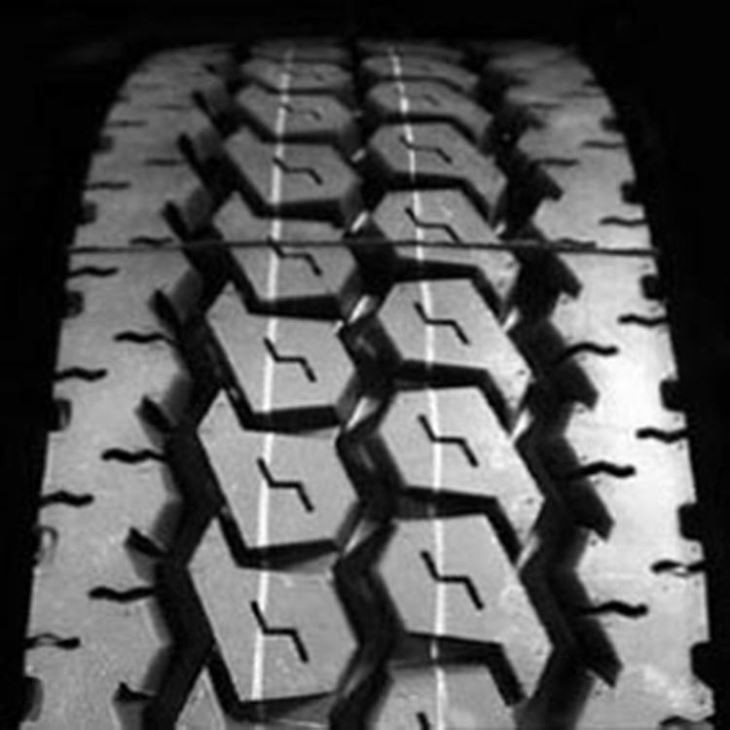
Snow tires, also known as winter tires, are tires designed for use on snow and ice. Snow tires have a tread design with larger gaps than those on conventional tires, increasing traction on snow and ice. Such tires that have passed a specific winter traction performance test are entitled to display a 3PMSF (Three-Peak Mountain Snow Flake) symbol on their sidewalls. Tires designed for winter conditions are optimized to drive at temperatures below 7 °C (45 °F).

Description
Qingdao Keman Corporation Limited : Your Professional Snow Tires Supplier!


We are the world's leading supplier of tires and wheels, founded in 2002. After 17 years of development, the company has extensive influence in the tire and wheel industry. We are committed to manufacturing high-quality tires and wheels that bring safety to every customer's car.


Rich Product Range
Our company can produce truck tires, car tires, industrial tires, OTR tires, steel wheels, aluminum wheels, mining tires, alloy wheels, truck rims, radial truck tires and more.


Quality Guaranteed
The product technical indicators have reached the standards of the U.S. Department of Transportation (DOT) and the Economic Commission for Europe (ECE), passed ISO/TS 16949 certification, and passed ISO9001 quality management system and ISO14000 environmental system certification.


Advanced Production Equipment
Our company has introduced CNC spinning machines from German LEIFELD and SSB companies, Italian IMT CNC machining centers, and Spanish AUTOPULIT polishing machines; we have also introduced automatic testing equipment from the American BTI company, and introduced 5 highly automated production lines, equipped with more than 120 advanced equipment Taiwan sets, more than 50 robots.


Leading Service
We have many years of industry experience and a complete production management, quality supervision, sales service operation system. Whether you're looking to purchase truck tires or industrial tires, just email your requirements and we can customize the product for you.


Related Product Introduction


Truck Tires

Truck Tires

Truck tires are specialized wheels designed for use on heavy vehicles, such as trucks, tractor-trailers, and other commercial vehicles. They are engineered to bear the significant weight of these vehicles and the cargo they carry, often surpassing 5,000 pounds per tire. The construction and material composition of truck tires are carefully chosen to provide durability, traction, and long service life under the demanding conditions they face, which include prolonged periods of driving at high speeds and over varying road surfaces.

Heavy Truck Tyres

Heavy Truck Tyres

Heavy truck tyres are specifically designed to support the substantial weight and demands of large commercial vehicles. These tyres are engineered to endure the harsh operating conditions encountered in long-haul transportation, heavy construction, and other applications where trucks carry significant loads.

Radial Truck Tyres

Radial Truck Tyres

Radial truck tyres are a type of tyre construction where the body ply cords radiate out from the centre of the tyre at approximately 90 degrees to the centre line of the tread. The radial construction typically results in a longer lifespan compared to bias-ply tyres because the sidewalls are less prone to cracking and splitting caused by constant flexing.

Truck Tyres

Truck Tyres

Truck tyres are specifically engineered to support the weight and demands of commercial vehicles, including trucks, buses, and trailers. They are designed to handle heavy loads, withstand rigorous operating conditions, and provide longevity and reliability over long distances.

4x4 Tires

4x4 Tires

4x4 tires, also known as off-road tires or all-terrain tires, are specifically engineered for vehicles with four-wheel drive (4WD) systems. These tires are designed to handle a variety of challenging terrains, from mud and rocks to sand and snow, providing the necessary traction and durability required for off-road adventures.

Winter Tires

Winter Tires

Winter tires, also known as snow tires, are specially designed for use in cold weather and on snow-covered or icy roads. They differ from all-season tires in terms of tread design, rubber compound, and performance in low temperatures.

Car Tire

Car Tire

Car tyres are round, pneumatic components that attach to the wheels of a vehicle. They are designed to transmit forces between the road and the car, enabling motion, supporting the weight of the vehicle, absorbing road shocks, and allowing for steering and braking.

Car Tyre

Car Tyre

A car tyre is a crucial component of a vehicle that comes into direct contact with the road surface. It plays a vital role in providing traction, handling, comfort, and safety. The outer part of the tyre that comes into contact with the road. The tread pattern is designed to provide traction for braking, acceleration, and cornering. Different tread designs are optimized for various driving conditions, such as dry pavement, wet roads, and off-road surfaces.

SUV Tires

SUV Tires

SUV tires are designed specifically for sport utility vehicles, which are built on a truck chassis and are typically larger and heavier than passenger cars. These tires are engineered to handle the unique demands placed on an SUV, such as off-road driving, carrying heavy loads, and providing stability on various road surfaces.

What is Snow Tires


Snow tires, also known as winter tires, are tires designed for use on snow and ice. Snow tires have a tread design with larger gaps than those on conventional tires, increasing traction on snow and ice. Such tires that have passed a specific winter traction performance test are entitled to display a 3PMSF (Three-Peak Mountain Snow Flake) symbol on their sidewalls. Tires designed for winter conditions are optimized to drive at temperatures below 7 °C (45 °F).


Features of Snow Tires

Improved Grip

When you're driving through ice and snow, the improved grip of winter tires is big advantage. The tread patterns are specially designed to grip the snow and ice, and feature large tread blocks and deep grooves that cut through the snow. It throws the snow back and keeps the snow from getting packed down in the tread, which happens with all-season tire tread patterns.

Better Braking

Most of us know that scary feeling when you brake in the snow and ice and your vehicle just keeps sliding through the stop. With snow tires, the sturdy grip helps you break when you need to.

Longer Life For Regular Tires

When you switch out your regular, all-season tires for winter tires, you're giving them a longer life by not riding on them all year round. While you might have to pay for two sets of tires, in the long run you'll be saving money.

Types of Snow Tires
 

Studded Tires

One of the best snow tires are studded tires. These tires, as their name suggests, have tiny metal studs inserted to the tread. The studs improve handling and performance on the ground by helping to grip ice and snow. The metal studs provide extra traction by digging into the snow and ice, keeping the tires firmly in touch with the surface. They are strong but lightweight. Stubby tires are the best choice for slope driving in the winter since they provide superior handling, more stability, and surface contact.

Non-Studded Snow Tires

These are also frequently referred to as studless tires or winter tires. These tires don't have any studs embedded in the tread, in contrast to studded tires. They have a three-peak mountain deterioration with a snowflake sign on the sidewall, making them immediately recognizable. Their tread pattern and the winter compound they utilize give them the traction needed in wintery conditions. Their aggressive and intricate tread patterns increase traction and grip. The winter compound increases rubber's elasticity in chilly conditions.

Studdable Winter Tires

Studdable tires provide the newest technology if that is what you are looking for. This hybrid option is offered by these winter tires. offering excellent grip in winter situations by combining the finest qualities of studded and non-studded tires. Although studdable tires can have studs, they are not sent with them already attached. They have tiny holes already drilled into the treads so that studs can be added and removed as needed.


How to Choose Snow Tires
Heavy Truck Tyres
4x4 Tires
SUV Tires
Truck Tires

Tread Compound & Design

Most winter tires feature specialized tread compounds and advanced tread designs that help provide superior traction and stopping distance. In a contest between all-season and winter tires, winter tires improved braking performance by up to 20%. And tests in snow conditions revealed that vehicles with winter tires stopped around 28 feet shorter than the same vehicle with all-season tires. Winter tires tend to have better traction and handling in colder temperatures. The tread compound maintains its flexibility, which allows for enhanced grip on snow and ice.


Weather Conditions

Many people wonder how harsh the weather needs to be in order to get winter tires. The general consensus is that if you live in a place where the temperature is consistently below 45F/7.2C, or when you must drive in challenging winter conditions, winter tires may be a good choice for you. While all-season tires can provide some traction for wet and snowy conditions, there is no denying the enhanced traction and grip that winter tires provide to help create a safer and more comfortable driving winter experience.


Road Conditions

In addition to harsh winter weather, if you encounter many hills or sharp corners in your area, you might want the winter-ready traction and control of winter tires. Additionally, unplowed snow, slush or ice can be a hazard to you when driving, and winter tires can help you face that challenge.


Performance

When shopping for tires, keep in mind that your vehicle's starting, stopping and turning abilities ultimately come down to the amount of traction your tires can offer on snowy or icy road surfaces.


How to Maintain Snow Tires
 

Installation
Snow tires should be installed on all four wheels of your vehicle for balanced handling and traction. It's important to switch them back to your regular tires once the winter season ends.


Inspection
Before installation, inspect each tire for any signs of damage, such as cuts, cracks, or bulges. Also, check the tread depth; snow tires should have at least 6/32-inch tread depth to perform effectively.


Rotation
If you rotate your tires regularly during the winter season, it helps to distribute wear evenly and maintain optimal performance. Follow the tire rotation pattern recommended by the vehicle manufacturer.


Air Pressure
Keep snow tires properly inflated according to the manufacturer's recommendations. Cold temperatures can cause tire pressure to drop, so check and adjust the pressure more frequently in winter.


Storage
Store snow tires flat in a cool, dark place when not in use. Avoid stacking them or exposing them to direct sunlight, oils, and heat sources, which can degrade the rubber.


Applications of Snow Tires


Passenger Cars
Many drivers of sedans, hatchbacks, and coupes fit their vehicles with snow tires during the winter months to improve safety and mobility.


SUVs and Crossovers
These types of vehicles are often driven in areas with heavy snowfall, making snow tires essential for navigating through winter conditions.


Trucks and Vans
Commercial and personal trucks, as well as vans, benefit from snow tires, especially when they need to carry heavy loads or are used for deliveries in wintry climates.


Performance Vehicles
Some sports cars and performance vehicles may be equipped with snow tires to allow for safer driving during winter events or when the owner resides in a region with harsh winter conditions.


Fleet Vehicles
Companies with delivery fleets, service vehicles, or public transportation systems often fit snow tires to ensure the safety and reliability of their operations during the winter.


RVs and Campers
Recreational vehicles that are used in colder regions may have snow tires to handle low-traction situations on highways and campground roads.


Off-Road Vehicles
While off-road tires are designed for rugged terrain, snow tires can be a better choice for off-road enthusiasts who venture into snowy wilderness areas.

 
Frequently Asked Questions


Q: What is the difference between snow tires and all-season tires?

A: Snow tires are made with a deeper tread and softer rubber compound that remain flexible in cold temperatures, improving grip on ice and snow. All-season tires offer versatility but lack specific design for winter conditions.

Q: Why do snow tires have to be removed during the warm season?

A: As temperatures rise, the softer rubber of snow tires wears faster on clear roads, resulting in reduced performance and shorter tire life. Additionally, the unique tread pattern creates noise and is less efficient on dry roads.

Q: How often should snow tires be replaced?

A: For even wear and optimal performance, snow tires should be rotated every 5,000 to 8,000 miles, or as recommended by the tire manufacturer. Regular rotation ensures even tread wear and maintains traction.

Q: Is it necessary to maintain the same tire pressure on snow tires as all-season tires?

A: Yes, proper tire pressure is critical for safety and handling. Check and adjust pressure regularly, especially in cold weather, as pressure can drop significantly when temperatures drop.

Q: Can all vehicles use snow tires?

A: Snow tires are compatible with most vehicles, from cars to SUVs and trucks, but it's critical to make sure the tire size and load capacity meet vehicle specifications.

Q: What are the risks of using snow tires outside of the expected season?

A: Using snow tires in warm conditions can cause premature wear and may affect handling and braking. It also reduces fuel efficiency and can damage the tire structure.

Q: How do snow tires improve winter braking performance?

A: The special tread design of snow tires increases contact with the snow, providing better grip and shorter stopping distances than all-season tires.

Q: Are studded snow tires legal in all areas?

A: Studded tires are illegal in some areas due to the potential damage they can cause to the road surface. Always check local regulations before use.

Q: Can snow tires be mixed with all-season tires on the same vehicle?

A: Mixing snow tires with all-season tires is not recommended as this may cause uneven handling and braking. For best results, all four tires should be snow tires or all-season tires.

Q: Do snow tires require a special installation process?

A: No, snow tires are installed similarly to all-season tires. However, it is important to have them installed professionally to ensure they are balanced and safe.

Q: What should you pay attention to when storing snow tires?

A: Snow tires should be clean, dry and stored in a cool, dark place to prevent deterioration. They should not be stacked or exposed to direct sunlight or heat sources.

Q: How do I tell if my snow tires need replacing?

A: Signs of wear, such as tread depth below the legal limit or visible damage, indicate that snow tires need to be replaced. Tire manufacturers provide guidelines for expected tire life based on use and conditions.

Q: What are the mountain and snowflake symbols on snow tires?

A: This symbol indicates that the tire meets the Rubber Manufacturers Association's requirements for snow tires, which means the tire has been tested and proven to be capable of operating in winter conditions.

Q: Should I use snow tires if I don't drive much in the winter?

A: If you live in an area with frequent or harsh winter weather, using snow tires can greatly improve your safety. Even occasional winter drivers may benefit if they encounter snowy or icy roads.

Q: Can snow tires help cornering in slippery conditions?

A: Yes, the increased traction provided by snow tires improves cornering stability and reduces the likelihood of sliding or losing control on snow or ice.

Q: What impact do snow tires have on fuel efficiency?

A: Due to their heavier weight and increased rolling resistance, snow tires are generally less fuel efficient than all-season tires. However, safety benefits often justify a slight decrease in fuel economy.

Q: Should I warm up my car before driving on snow tires?

A: Warming up your car can help your tires gain traction more efficiently, but it's not a substitute for careful driving. Allow the car to warm up slightly while scraping away ice and snow for better visibility and tire performance.

Q: Can I use snow chains instead of snow tires?

A: When paired with all-season tires, snow chains can provide extra traction on snowy roads. They are not a replacement for snow tires but can be used in emergencies or when driving on particularly dangerous snowy roads.

Q: What are the benefits of having snow tires on all four wheels?

A: Snow tires are used on all four wheels for consistent handling and braking. This is critical to maintaining vehicle control and avoiding skidding in slippery conditions.

Q: In addition to rotation, what other maintenance is required for snow tires?

A: It is important to regularly check tread depth and damage, properly inflate, and clean after use. Proper storage of snow tires when not in use is also critical to maintaining their performance for future winters.

Hot Tags: suv tires, China suv tires manufacturers, suppliers, factory, polish aluminum rims mirror finish, chrome steel truck wheels, wheels polish, 5x100 alloys, snow tyres for car, forged aluminum off road wheels

Previous: Off Road Tyres

Next: SUV Tires

Related Products

Recommended