Contact Us+8618605327632

banner
Qingdao Keman Corporation Limited : Your Professional Wheels Supplier!


We are the world's leading supplier of tires and wheels, founded in 2002. After 17 years of development, the company has extensive influence in the tire and wheel industry. We are committed to manufacturing high-quality tires and wheels that bring safety to every customer's car.


Rich Product Range
Our company can produce truck tires, car tires, industrial tires, OTR tires, steel wheels, aluminum wheels, mining tires, alloy wheels, truck rims, radial truck tires and more.


Quality Guaranteed
The product technical indicators have reached the standards of the U.S. Department of Transportation (DOT) and the Economic Commission for Europe (ECE), passed ISO/TS 16949 certification, and passed ISO9001 quality management system and ISO14000 environmental system certification.


Advanced Production Equipment
Our company has introduced CNC spinning machines from German LEIFELD and SSB companies, Italian IMT CNC machining centers, and Spanish AUTOPULIT polishing machines; we have also introduced automatic testing equipment from the American BTI company, and introduced 5 highly automated production lines, equipped with more than 120 advanced equipment Taiwan sets, more than 50 robots.


Leading Service
We have many years of industry experience and a complete production management, quality supervision, sales service operation system. Whether you're looking to purchase truck tires or industrial tires, just email your requirements and we can customize the product for you.

  • Heavy Duty Truck Tyres
    Heavy Duty Truck Tyres

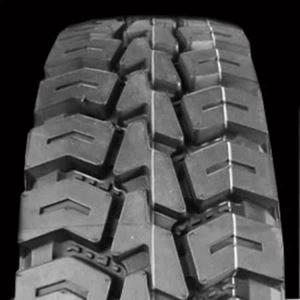
    310 is heavy duty truck tyresdesigned for all wheels of the long-distance transport vehicles on good or bad mixed road.

  • All Steel Radial Tyres
    All Steel Radial Tyres

    The horizontal pattern groove and tire shoulder block pattern design, with excellent grasp performance and braking performance.

  • Radial Truck Tires
    Radial Truck Tires

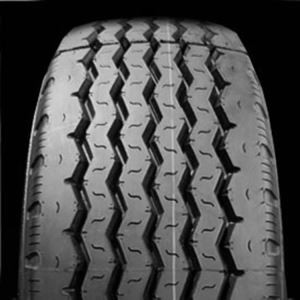
    120 is radial truck tires suitable for all wheels of truck and bus for all kinds of road conditions;
    Excellent guiding and anti-sideslip performance

  • Radial Truck Tires
    Radial Truck Tires

    Radial tyres are the most common type of tyre used on modern vehicles. They have a sidewall that runs straight up and down and are made of a single layer of steel cord plies...

  • Truck Tyres
    Truck Tyres

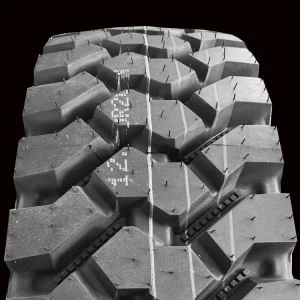
    241 heavy duty truck tyre is designed for all tyres of non-paved roads for all wheels
    Lateral big pattern design providing good traction and drainage performance

  • Radial Truck Tyres
    Radial Truck Tyres

    211 radial truck tyres is specially designed for constant load, long-distance, high-speed trucks on the good roads, suitable for driving wheels of the trucks.

  • Heavy Truck Tyres
    Heavy Truck Tyres

    421 heavy truck tyres is specially designed for all wheels of running vehicles on the rough roads, Transverse big pattern block design, with a strong drive performance and...

  • Truck Tires
    Truck Tires

    250 truck tires applicable to the driving wheels of the truck for USA,North America market Mixed pattern ,with excellent ground grasping and braking performance.

  • Heavy Duty Truck Tires
    Heavy Duty Truck Tires

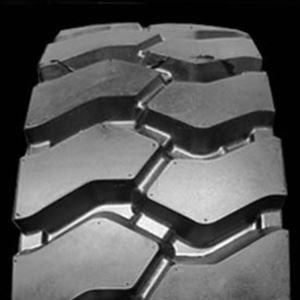
    The big pattern block design, with a strong drive performance and cross-country performance Wide tread depth pattern groove, with higher mileage and self-cleaning

  • All Steel Radial Tires
    All Steel Radial Tires

    510 all steel radial tires is suit for all wheels of the middle and long distance vehicles on good or mixed road.

  • Heavy Truck Tires
    Heavy Truck Tires

    221 is specially designed for heavy truck tires in heavy duty and in secondary road/hybrid road , suitable for all wheels

  • Truck Tyre
    Truck Tyre

    222 truck tyre is specially designed in driving wheels of concrete mixed truck.
    The horizontal pattern groove and tire shoulder block pattern design,
    with...

First Prev 12 Next Last 1/2

Recommended

Radial Truck Tyres


What is Radial Truck Tyre

A radial truck tyre is a type of tyre construction where the cord plies (the reinforcing materials within the tyre) are arranged in a radial pattern. This means the cords radiate outward from the center of the tyre tread to the bead (where the tyre meets the wheel rim). The radial design contrasts with bias-ply tyres, where the cord plies crisscross diagonally from one bead to the other.


Features of Radial Truck Tyre


Improved Handling
The independent performance of the crown and sidewalls in Radial Truck Tyre provides better road contact and steering responsiveness, resulting in enhanced handling and stability.


Smoother Ride
The flexibility of radial tires allows them to better absorb road irregularities, leading to a more comfortable and smoother ride.


Longer Tire Life
The reduced heat buildup in Radial Truck Tyre contributes to longer tire life and more even tread wear.


Fuel Efficiency
Radial Truck Tyre have lower rolling resistance, which can lead to better fuel efficiency for your vehicle.


Puncture Resistance
The additional reinforcement layer in belted Radial Truck Tyre offers increased puncture resistance and protection against road hazards.


How to Identify Radial Truck Tyre


“R” Symbol

The letter “R” in the tire code indicates that the tire is a radial tire. For example, a tire size marking of “P215/65R15” tells you that the tire is a radial tire with a width of 215 millimeters, an aspect ratio of 65, and fits a 15-inch rim.

Absence of “R” Symbol

If the tire code does not have the “R” symbol, it’s likely a non-radial or bias-ply tire. For instance, a tire size marking of “7.50-16” is a non-radial tire with a width of 7.50 inches and fits a 16-inch rim.

Truck Tyre


Materials of Radial Truck Tyre
 
01/

Natural Rubber
Natural rubber comes from the rubber tree and is a key component of tire treads and sidewalls. It provides elasticity and flexibility, allowing the tire to adapt to uneven road surfaces.

02/

Carbon Black
This material is added to the rubber compound to increase the tire's durability, strength and wear resistance. Carbon black can also improve the road grip of tires.

03/

Steel
Steel wire is used to create tire beads, which secure the tire to the rim. In addition, steel plies (radial plies) extend from bead to bead, providing structural support and helping to maintain the shape of the tire under load.

04/

Nylon and Polyester
These fibers are used in the carcass layers of tires. Nylon provides high tensile strength, while polyester provides good flexibility and elasticity. Together, they improve the tire's ability to resist punctures and maintain its shape when subjected to heavy loads.


How to Choose Radial Truck Tyre
 

Tube-Type or Tubeless
While selecting between tubeless and tube-type tyres, you should always go for tubeless ones as they are much more advanced and safer than the tube-type tyres.


Rim Size
While choosing a tyre you need to keep in mind that the size of the tyre is same as that of the rim on which you want to install it. If your rim is larger than your tyre, then it will decrease the height of the sidewall that will adversely effect the ride and handling quality of your vehicle.


Tread Width
You should select the tread width very carefully as it is responsible for your comfort and yout car's performance on road. Tread width will depend on the kind of driver you are and obviously, on the vehicle you are driving.


Sidewall Height
When you are done selecting the accurate rim size and the proper tread width, your next move will be to choose a sidewall height that will help in keeping the overall size of the new tyre similar to that of your old tyres.


Tread Pattern
Choosing the tread pattern of your tyres is another critical task. Tread pattern of a tyre plays a major role in your overall driving experience as they are responsible for the performance of your car in different weather conditions.


How to Maintain Radial Truck Tyre
 

Tire Rotations

This is maybe the single best thing you can do for a set of tires. No vehicle has perfect 50/50 front/rear weight distribution, and the forces of acceleration, braking, and cornering shift vehicle weight forward or rearward through inertia. That means that front tires in particular are subject to a different set of forces, and rotating the tires’ positions on the vehicle will help ensure even wear. Manufacturers recommend rotations every 5,000-7,000 miles for correct wear (and require regular rotations as part of warranty coverage). As soon as you have a tire rotation performed, you’ll notice a difference in your car’s handling, braking, and overall road manners from the first time you drive it again.

Proper Inflation

Air molecules will naturally migrate through the valve stem or the rubber sidewalls of a tire, and an underinflated tire means more heat buildup and more friction. Heat is the enemy of any tire, as it causes a lot of stress to the tire’s internal construction just in normal operation and can possibly lead to a dangerous blowout. What’s more, underinflated tires will handle poorly, brake poorly, and cause the vehicle to pull to one side on the highway. You should check your tires’ inflation at least once per month using a good-quality tire pressure gauge, and always remember to check inflation when the tires are completely cold (since air expands when hot and can cause a bad reading).

Inspection

You should regularly get a look at the tire’s overall condition. Keep an eye out for excessive wear, uneven wear along a tire edge that can point to an alignment or suspension problem, and any damage or foreign objects in the tread. Run a hand along the tread’s surface and feel for a jagged or “sawtooth” edge to the treads. Look out for cracking, bulges, any areas where the tread may look like it’s starting to separate, or anything else that seems out of the ordinary.


The Difference Between Radial Truck Tyre and Non-Radial Tires


Construction Differences
Radial Truck Tyre In Radial Truck Tyre, the cords run perpendicular to the direction of travel, which reduces heat buildup and enables the tire’s crown and sidewalls to perform independently.

Non-Radial Tires In non-radial or bias-ply tires, the cords are laid diagonally across each other, creating a crisscross pattern. This construction leads to stiffer sidewalls and increased heat buildup.


Performance Differences
Handling Radial Truck Tyre generally provide better handling due to their improved road contact and steering responsiveness.

Ride Comfort Radial Truck Tyre offer a smoother and more comfortable ride because of their greater flexibility and ability to absorb road irregularities.

Tire Life Radial Truck Tyre tend to have a longer lifespan due to their reduced heat buildup and more even tread wear.

Fuel Efficiency Radial Truck Tyre can also improve fuel efficiency, thanks to their lower rolling resistance.


Applications of Radial Truck Tyre


Commercial Transportation

Radial truck tyres are commonly found on tractor-trailers, box trucks, and other commercial vehicles that transport goods over long distances. Their ability to handle heavy loads and provide consistent performance makes them ideal for this purpose.

 
Construction Sites

These tyres are also used on construction equipment such as dump trucks, bulldozers, and excavators. Their robust design allows them to withstand the harsh conditions and rough terrain commonly encountered at construction sites.

 
Agriculture

Radial truck tyres are used on farming equipment such as tractors, harvesters, and plows. They provide the necessary traction and durability to work effectively in agricultural settings.

 
Mining Operations

In mining applications, these tyres are used on large vehicles and machinery that transport ore and other materials within the mines. Their ability to handle heavy loads and resist punctures from sharp objects makes them well-suited for this environment.

 
Forestry and Logging

Radial truck tyres are used on forestry equipment such as log skidders and forwarders. They can navigate through rugged terrain and handle the heavy loads of harvested timber.

 
Port and Cargo Operations

These tyres are also used on vehicles operating in ports and cargo yards, such as container handlers and terminal tractors. They must be able to withstand the constant movement of heavy containers and other cargo.


Frequently Asked Questions


Q: What distinguishes radial truck tyres from other tyre types?

A: Radial truck tyres are characterized by their radial construction, where the steel belts run at a 90-degree angle to the direction of travel. This design enhances flexibility, leading to better ride quality, improved fuel efficiency, and increased durability compared to bias-ply tyres. The radial casing also allows for better heat dissipation, which reduces the likelihood of heat-related tyre failures.

Q: How do radial truck tyres contribute to a vehicle’s overall performance?

A: Radial truck tyres play a significant role in enhancing a vehicle's performance by providing better handling characteristics. Their stiffer sidewalls offer improved steering response and precision, while the flexible tread area improves traction and grip on various road surfaces. Additionally, radial tyres contribute to a smoother ride, reducing driver fatigue during long hauls.

Q: What factors should be considered when selecting radial truck tyres?

A: Selecting radial truck tyres involves considering several factors, including the type of vehicle, its intended use (such as long-haul transportation, construction, or off-road operations), load capacity, and environmental conditions. The tyre's size, speed rating, and tread pattern also play crucial roles in determining its suitability for specific applications. Consulting with a tyre specialist or referring to the vehicle manufacturer's recommendations can help ensure optimal tyre selection.

Q: How often should radial truck tyres be inspected and maintained?

A: Regular inspection and maintenance of radial truck tyres are essential for ensuring their longevity and safety. Tyres should be inspected at least once a month for signs of wear, tear, or damage. Pressure should be checked and adjusted according to the manufacturer's recommendations, taking into account the tyre's load and inflation tables. Rotating tyres periodically can also promote even wear and延长 their service life.

Q: What is the recommended tyre pressure for radial truck tyres, and why is it important?

A: The recommended tyre pressure for radial truck tyres is typically specified by the tyre manufacturer and varies depending on the tyre's size, load index, and speed rating. Maintaining the correct tyre pressure is critical for ensuring optimal tyre performance, fuel efficiency, and safety. Under-inflated tyres can lead to premature wear, increased rolling resistance, and reduced handling stability, while over-inflated tyres can result in a harsh ride and reduced traction.

Q: How do radial truck tyres handle different weather conditions?

A: Radial truck tyres are designed to perform well in various weather conditions, including rain, snow, and extreme temperatures. Their tread patterns are optimized to provide good traction and handling on wet roads, while their sturdy construction ensures durability in cold weather. However, it's essential to select tyres specifically designed for winter driving if operating in areas with heavy snowfall or icy conditions.

Q: What are the benefits of using radial truck tyres in terms of fuel efficiency?

A: Radial truck tyres offer several benefits in terms of fuel efficiency. Their stiffer sidewalls reduce rolling resistance, allowing the vehicle to move more freely and consume less fuel. Additionally, their improved heat dissipation properties help maintain optimal tyre pressure, further reducing fuel consumption. As a result, using radial tyres can lead to significant cost savings over the life of the tyre.

Q: Can radial truck tyres be used on all types of vehicles?

A: While radial truck tyres offer numerous benefits, they may not be suitable for all types of vehicles. Their stiffer sidewalls and higher load capacities make them ideal for heavy-duty applications, such as tractor-trailers and construction equipment. However, for lighter-duty applications, such as passenger cars or small vans, bias-ply tyres may be a more appropriate choice due to their softer sidewalls and lower cost.

Q: How do radial truck tyres compare to bias-ply tyres in terms of durability?

A: Radial truck tyres generally offer better durability than bias-ply tyres due to their stronger construction and improved heat dissipation properties. The radial casing is less likely to suffer from heat-related failures, such as tread separation or blowouts, which are common problems with bias-ply tyres. As a result, radial tyres typically have a longer service life and are less prone to unexpected tyre failures.

Q: What is the impact of improper tyre alignment on radial truck tyres?

A: Improper tyre alignment can have a significant impact on the performance and longevity of radial truck tyres. Misaligned tyres can cause uneven wear, reduced fuel efficiency, and decreased handling stability. Additionally, they can increase the likelihood of tyre failures due to excessive stress on the tyre's sidewalls and tread area. Therefore, it's essential to have tyres professionally aligned and corrected regularly to ensure optimal performance and safety.

Q: How should radial truck tyres be balanced?

A: Radial truck tyres should be balanced using a dynamic balancer, which accounts for the tyre's mass distribution and provides precise balance readings. Balancing the tyre is crucial for ensuring even wear and preventing vibrations that can cause premature tyre wear and reduce vehicle handling stability. It's recommended to have tyres balanced whenever they are mounted on a wheel or after any repair work has been performed.

Q: What are the consequences of overloading radial truck tyres?

A: Overloading radial truck tyres can lead to several adverse consequences, including premature tyre wear, reduced fuel efficiency, and increased risk of tyre failure. Exceeding the tyre's load capacity can cause excessive heat build-up within the tyre, leading to tread separation or blowouts. Additionally, overloaded tyres can negatively impact vehicle handling and braking performance, increasing the likelihood of accidents.

Q: How do radial truck tyres perform in off-road conditions?

A: Radial truck tyres are designed to provide good traction and handling on various off-road surfaces, such as dirt, gravel, and mud. Their deep tread patterns and sturdy construction help to prevent slipping and provide excellent grip in off-road conditions. However, it's essential to select tyres specifically designed for off-road driving to ensure optimal performance in these challenging environments.

Q: What is the best way to store radial truck tyres when not in use?

A: Proper storage of radial truck tyres is essential for maintaining their integrity and extending their service life. Tyres should be stored in a cool, dry place away from direct sunlight and heat sources. They should be stacked vertically or placed on racks to prevent deformation due to excessive weight. Additionally, it's essential to keep tyres clean and free from debris to prevent rust and corrosion.

Q: How do radial truck tyres impact a vehicle's stopping distance?

A: Radial truck tyres can impact a vehicle's stopping distance in several ways. Their improved traction and handling characteristics can help to shorten stopping distances by providing better grip on the road surface. However, factors such as tyre pressure, tread depth, and condition can also affect braking performance. It's essential to ensure that tyres are properly inflated and maintained to maximize braking effectiveness.

Q: What is the role of tyre technology in improving radial truck tyre performance?

A: Advancements in tyre technology have played a significant role in improving the performance of radial truck tyres. Innovations in rubber compounds, tread designs, and manufacturing processes have led to tyres that offer better durability, fuel efficiency, and handling characteristics. Additionally, features such as noise reduction and self-sealing capabilities have been incorporated into modern radial tyres to enhance comfort and safety.

Q: How do radial truck tyres perform in high-speed applications?

A: Radial truck tyres are designed to handle high-speed applications and perform well at speeds above 70 mph. Their sturdy construction and improved heat dissipation properties help to maintain tyre integrity and prevent heat-related failures at high speeds. However, it's essential to ensure that tyres are properly inflated and maintained to maximize their performance and safety at high speeds.

Q: What are the environmental impacts of radial truck tyres?

A: The environmental impacts of radial truck tyres are primarily related to their production, use, and disposal. The manufacturing process consumes resources and generates waste, while their use contributes to greenhouse gas emissions due to rolling resistance. However, radial tyres offer improved fuel efficiency, which can help to reduce overall emissions during their service life. Proper disposal and recycling of used tyres are also important for minimizing their environmental impact.

Q: Can radial truck tyres be retreaded, and what are the benefits?

A: Radial truck tyres can be retreaded to extend their service life and reduce costs. Retreading involves removing the old tread from the tyre casing and replacing it with new tread material.
We're well-known as one of the leading radial truck tyre manufacturers and suppliers in China. If you're going to buy or wholesale high quality radial truck tyre for sale, welcome to get more information from our factory. For price consultation, contact us.polished aluminum wheels, aero aluminum rims, gloss black alloys