Contact Us+8618605327632

banner
Car Rim

Car Rim

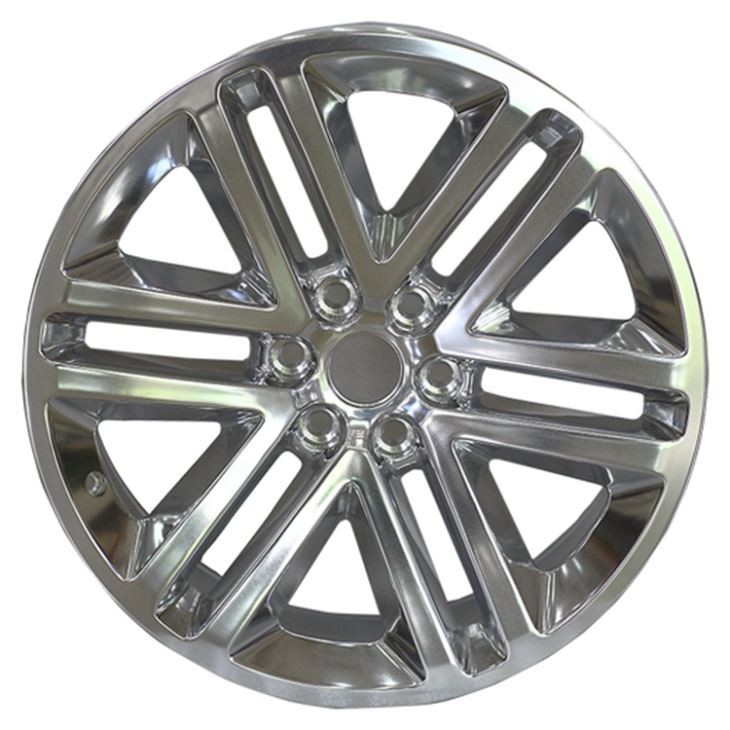
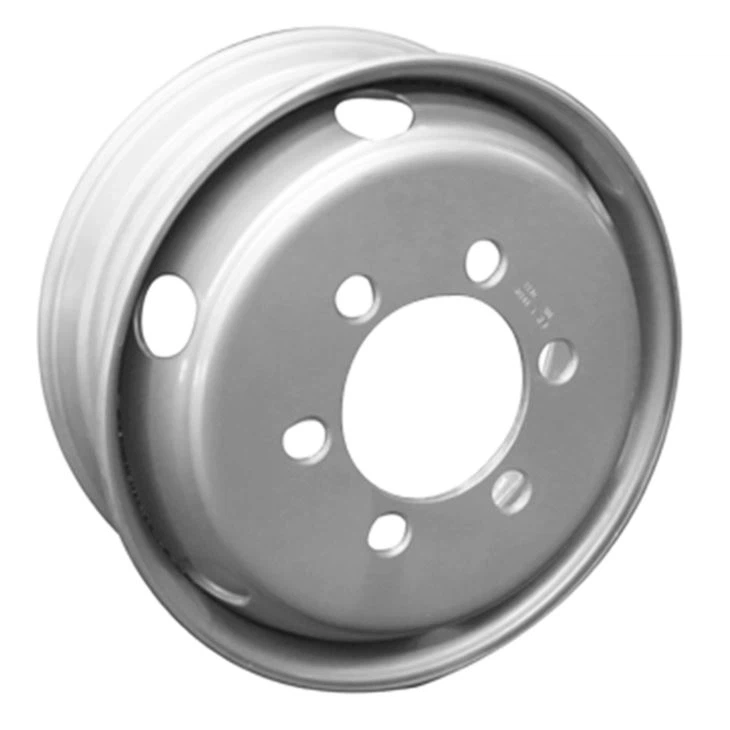
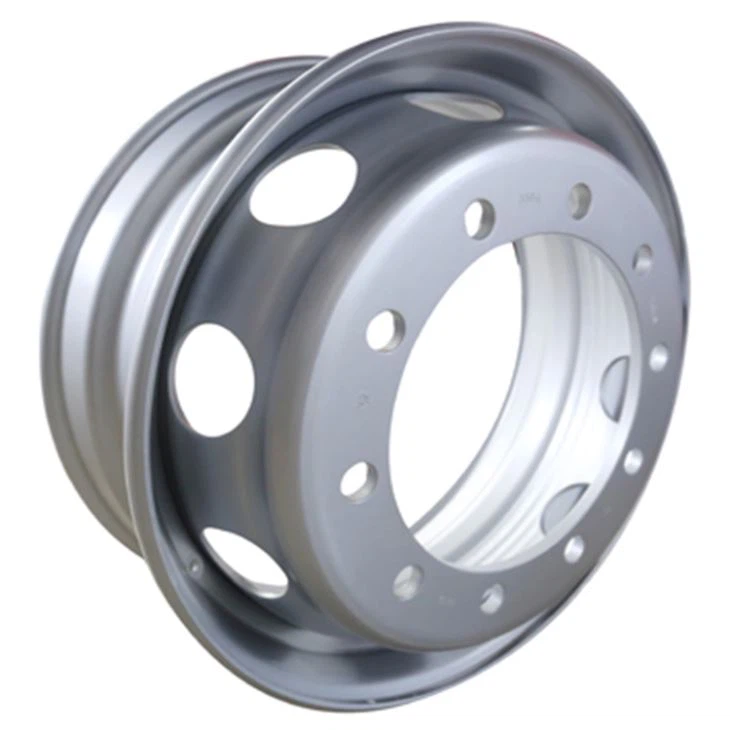
Car rims, also known as wheels, are the circular metal components that interface with the tire and connect to the vehicle's hub. They are an essential part of the wheel assembly and play a critical role in supporting the weight of the car and providing the necessary structural integrity for the tire to function properly.

Description
Qingdao Keman Corporation Limited : Your Professional Car Rim Supplier!


We are the world's leading supplier of tires and wheels, founded in 2002. After 17 years of development, the company has extensive influence in the tire and wheel industry. We are committed to manufacturing high-quality tires and wheels that bring safety to every customer's car.


Rich Product Range
Our company can produce truck tires, car tires, industrial tires, OTR tires, steel wheels, aluminum wheels, mining tires, alloy wheels, truck rims, radial truck tires and more.


Quality Guaranteed
The product technical indicators have reached the standards of the U.S. Department of Transportation (DOT) and the Economic Commission for Europe (ECE), passed ISO/TS 16949 certification, and passed ISO9001 quality management system and ISO14000 environmental system certification.


Advanced Production Equipment
Our company has introduced CNC spinning machines from German LEIFELD and SSB companies, Italian IMT CNC machining centers, and Spanish AUTOPULIT polishing machines; we have also introduced automatic testing equipment from the American BTI company, and introduced 5 highly automated production lines, equipped with more than 120 advanced equipment Taiwan sets, more than 50 robots.


Leading Service
We have many years of industry experience and a complete production management, quality supervision, sales service operation system. Whether you're looking to purchase truck tires or industrial tires, just email your requirements and we can customize the product for you.

 
Related Product Introduction


product-1-1

Aluminum Wheels

Aluminum wheels are automotive components designed to support the tires of a vehicle and facilitate the transfer of power from the engine to the road surface. They are made from aluminum alloys, which are mixtures of aluminum with other elements like silicon, magnesium, zinc, copper, manganese, and iron, chosen for their specific properties that enhance the wheel's characteristics.

Steel Truck Wheels

Steel Truck Wheels

Steel truck wheels are heavy-duty components designed for use on commercial vehicles such as trucks, trailers, and buses. They are constructed from carbon steel, an alloy that primarily consists of iron and carbon. The carbon content is typically between 0.12% and 2.14%, which gives the steel its desired mechanical properties.

Aluminum Rims

Aluminum Rims

Aluminum rims, also known as aluminum wheels or alloy wheels, are lightweight discs that attach to the hub of a vehicle and serve as the outer edge of the wheel, onto which the tire is mounted. These rims are made from aluminum alloys, which are mixtures of aluminum with other elements such as silicon, magnesium, zinc, copper, manganese, and iron. The composition of these alloys is carefully chosen to provide the desired properties, such as strength, durability, and resistance to corrosion.

Car Rims

Car Rims

Car rims, also known as wheels, are the circular components to which the tires of a car are attached. They come in various sizes and styles and serve both functional and aesthetic purposes. Rim materials can vary, but the most common are steel and aluminum alloy, each offering different benefits.

Truck Wheels

Truck Wheels

Truck wheels are the circular components that attach to the axles of a truck and provide a mounting platform for the truck's tires. These wheels are specifically engineered to support the substantial weight and demands of a truck, which can include carrying heavy loads and traversing various terrains.

Steel Wheels

Steel Wheels

Steel wheels are heavy-duty components designed for use in various vehicles, including trucks, tractors, and some automobiles. They consist of a steel rim with a flat face and are typically welded to a hub or attached with bolts.

Alloy Wheels

Alloy Wheels

Alloy wheels are wheels made from an alloy of aluminum and other elements, commonly magnesium, manganese, silicon, and sometimes copper, zinc, and titanium. The primary purpose of adding other elements to the aluminum is to enhance certain properties such as strength, durability, corrosion resistance, and heat dissipation.

Forged Truck Wheel

Forged Truck Wheel

A forged truck wheel is a type of wheel manufactured using the forging process, which involves shaping metal while it's hot and under high pressure. This process differs from casting, where the metal is melted and poured into a mold. Forged wheels are typically made from aluminum alloys because the forging process can significantly enhance the metal's strength-to-weight ratio.

Truck Rims

Truck Rims

Truck rims, also referred to as truck wheels, are the circular metal components that provide the outer edge of a truck's wheel assembly, onto which the tire is mounted. They are essential for supporting the weight of the truck, including any cargo it may be carrying, and for ensuring safe operation on various road surfaces.


What is Car Rim


Car rims, also known as wheels, are the circular metal components that interface with the tire and connect to the vehicle's hub. They are an essential part of the wheel assembly and play a critical role in supporting the weight of the car and providing the necessary structural integrity for the tire to function properly.


Features of Car Rim
 

Higher Top Speed
While larger rims decrease your vehicle's acceleration because of the added weight, they also increase the top speed. This is due to the engine needing to work less because the increase in rim size equates to lower revolutions per minute (RPM) to maintain certain speeds.


Increased Loading Capacity
Increasing the size of your Car Rim also improves your vehicle's weight capacity because it raises the amount of pressure your tires can hold. As a result, you can squeeze in more or heavier cargo than usual. The increased loading capacity is useful if you plan to go on road trips with family and friends because you won't have to worry about limiting the equipment and items you can bring.


Improved Traction
Traction refers to your tire's grip on the road. Proper traction reduces the risk of slipping and skidding, even on wet surfaces. Tires have rubber treads that improve traction, producing the friction needed to stop moving when you hit the brakes.


Improved Cornering
Car Rim allow for larger wheels, resulting in more road contact, wider tread, and stiffer sidewalls. All these add up to better cornering or the ability to navigate turns.


Better Braking
The aforementioned added rubber also improves your vehicle's braking because it results in better grip and traction on the road. Car Rim help decrease braking distance, which means you can come to a full stop faster when you brake.


Types of Car Rim
Car Rim
Steel Truck Wheels
Car Rims
Steel Wheels

Steel Rims
They are typically heavier than other types of rims, which can slightly reduce fuel efficiency. Steel rims are often used on base models of cars or as spares due to their lower cost.


Alloy Rims
Made primarily from aluminum, these rims are lighter than steel rims, which can improve a car's handling, acceleration, and fuel efficiency. Alloy rims are also available in various designs and finishes, making them a popular choice for aesthetic reasons.


Cast Alloy Rims
These are made by pouring molten metal into a mold and are more affordable than forged rims. They provide good performance for everyday driving but may not be as strong as forged rims.


Forged Alloy Rims
Created by shaping a solid piece of metal under high pressure, forged rims are stronger and lighter than cast rims. They offer superior performance and are often used in high-performance vehicles or by enthusiasts who want the best in durability and handling.


Machined Alloy Rims
These are usually made from a forged or cast base and then machined to create a detailed and precise finish. They combine the strength of forged rims with the customizable appearance of aftermarket designs.


Chrome Rims
These are alloy rims that have been chromed, giving them a shiny and reflective finish. While they can look very stylish, chrome rims can be heavier and may require more maintenance than other finishes due to their susceptibility to scratches and corrosion.


Split Rims
These rims are made up of two parts – the outer ring (rim) and the inner ring (bolt flange). They were popular in the past but have largely been replaced by one-piece rims for safety reasons. Split rims can be more difficult to mount tires on and require special tools.


Carbon Fiber Rims
These are the lightest and strongest option available. They are made from carbon fibers woven into a composite material and are often used in racing and high-performance vehicles. Carbon fiber rims provide excellent handling and performance but come with a significantly higher price tag and require careful maintenance.


Car Rim Styles and Finishes


Chrome Plated

These wheels have several copper, nickel, and chromium coating layers for a mirror finish. A chrome finish often adds around 20 percent to the regular price of a wheel. No protective topcoat is needed to prevent rust, and they can be treated with translucent paints in an endless variety of color choices. Cleaning is easy-mild soap, water, and a soft cloth, then chrome polish or instant detailer.

 
Machined Clear Coating Finish

Sprayed clear coating can be used on almost any type of wheel, from bare brushed-metal wheels to raw aluminum or painted wheels. This provides a protective finish to keep your wheels looking new for years. Use only mild soap and water to clean.

 
Powder Coated

This is a dry, powdery paint of finely ground particles of color and resin that are electrically charged and sprayed onto the wheel surface. The wheel is then heated in a curing oven so the particles melt and bake onto the finish. Powder coating is highly durable and attractive and resists chipping, scratching, rust, and heat. The finish can have a crinkle, smooth, or rough texture if desired, almost always in a matte finish.

 
Painted Finish

This is a straightforward process of wet spray painting and finishing with a clear topcoat to protect the paintwork. The color palette is endless and can match your vehicle's exterior paint color. You can even use multiple colors and finishes like gloss, satin, matte, or flat. It cleans up easily with mild soap and water and a soft cloth.


How to Choose Car Rim


Check Compatibility
Ensure the rims will fit your vehicle. Look at the bolt pattern (number of bolts and the distance between them), the center bore diameter (the size of the hole in the middle of the rim), and the offset (how far the mounting surface is from the centerline of the wheel). You may need to consult your vehicle owner's manual or a tire shop for this information.


Select the Material
Consider the material of the rim. Steel rims are durable and cost-effective, but they are heavy. Alloy rims are lighter and offer better performance but can be more expensive. Forged alloy rims are even lighter and stronger, suitable for high-performance vehicles. Carbon fiber rims are the lightest and strongest but are also the most expensive.


Consider Size
Larger wheels can provide a sportier look and better handling, but they may also decrease comfort, increase road noise, and reduce fuel efficiency. Check your vehicle's recommended wheel size and consider whether you want to go larger or smaller.


Think About Design
Rims come in a variety of designs and finishes. Choose something that suits your taste and complements your vehicle's style. Remember that certain finishes, like chrome, may require more maintenance.


Evaluate Performance Needs
If you prioritize performance, look for rims that are designed to handle high speeds, aggressive cornering, or off-road conditions. Forged alloy and carbon fiber rims are good choices for performance-oriented drivers.


Factor in Maintenance
Some rim materials and finishes require more care than others. Be prepared to invest time and possibly money into maintaining the appearance and integrity of your rims.


How to Maintain Car Rim
 

Regular Cleaning
Clean the rims regularly to prevent brake dust, road grime, and other contaminants from building up. Use a non-acidic wheel cleaner and a soft brush to scrub the surface. Avoid harsh chemicals that can damage the finish.


Protection
Apply a quality wheel sealant or wax to protect the rims from corrosion, brake dust, and other environmental factors. This will make cleaning easier and prolong the life of your rims.


Avoid Curbs And Potholes
Be cautious when parking or driving to avoid scraping your rims against curbs or hitting potholes. Damage from impacts can lead to bending, cracking, or scratching of the rims.


Check Tyre Pressure
Maintain proper tyre pressure to ensure even wear on your tyres and rims. Improper tyre pressure can cause uneven wear patterns and potentially damage the rims.


Inspect For Damage
Regularly inspect your rims for any signs of damage, such as cracks, bends, or corrosion. Address any issues promptly to prevent further damage and ensure your safety on the road.


Frequently Asked Questions


Q: What is the purpose of a car rim?

A: A car rim serves as the outer circular edge of a wheel, providing structural support to the tire and bearing the brunt of road contact. It ensures the tire remains securely attached to the vehicle and helps distribute the weight evenly across the tire's tread, enhancing stability and safety during travel. Additionally, rims play a significant role in the aesthetics of a car, often being customized to suit individual tastes and styles.

Q: What materials are car rims typically made from?

A: Car rims are predominantly manufactured from steel or aluminum alloys, each offering distinct advantages. Steel rims are robust and relatively inexpensive, making them a practical choice for many vehicles. However, they are heavier, which can compromise fuel efficiency and handling. In contrast, aluminum alloy rims are lighter, resulting in improved performance, better fuel economy, and enhanced aesthetics. These rims are also more resistant to corrosion and rust, extending their service life.

Q: Can I install larger rims on my car?

A: Installing larger rims on a car is possible but involves careful consideration. Larger wheels can enhance the vehicle's stance and improve handling by providing a wider contact patch. However, they also increase unsprung weight, potentially reducing ride comfort and fuel efficiency. Additionally, larger rims require correspondingly larger tires, which may not fit within the vehicle's wheel wells or fenders. It is crucial to consult with a professional tire shop or mechanic before making the switch to ensure compatibility and safety.

Q: How do I measure my car's rim size?

A: Measuring your car's rim size involves determining the diameter, width, and bolt pattern. The diameter is the distance across the rim from one side to the other, typically measured in inches. The width is the measurement from the inside edge of the rim to the outside edge, again in inches. The bolt pattern refers to the arrangement of lug nuts around the rim, expressed as a combination of numbers (e.g., 5x114.3). This information is vital when purchasing replacement rims or customizing your vehicle's wheels.

Q: What is the difference between cast and forged car rims?

A: Cast and forged car rims differ in their manufacturing process and resulting properties. Cast rims are produced by pouring molten metal into a pre-designed mold, allowing the metal to cool and solidify into the desired shape. This process is relatively simple and cost-effective, making cast rims a popular choice for budget-conscious consumers. Forged rims, on the other hand, are created by applying high pressure to a solid block of metal, shaping it into the final form. This process results in a stronger, lighter, and more durable rim, suitable for high-performance applications.

Q: Do car rims affect fuel efficiency?

A: Yes, car rims can impact fuel efficiency. Heavier rims increase unsprung weight, requiring more energy to accelerate and decelerate the vehicle. This additional energy consumption translates into reduced fuel efficiency. Conversely, lighter rims can improve fuel efficiency by reducing the overall weight of the vehicle. When selecting rims, it is essential to strike a balance between aesthetics, performance, and fuel efficiency.

Q: How do I clean and maintain my car's rims?

A: Cleaning and maintaining your car's rims is crucial to preserving their appearance and extending their service life. Regular washing with soap and water can remove dirt and grime build-up. For more stubborn stains or brake dust accumulation, specialized wheel cleaning products or a soft brush may be necessary. Additionally, periodic inspections for cracks, bends, or damage are essential to ensure the rims' structural integrity. Applying a protective coating, such as wheel wax or sealant, can help prevent corrosion and keep the rims looking new.

Q: Can I mix and match car rims of different sizes or styles?

A: Mixing and matching car rims of different sizes or styles is not recommended as it can negatively impact the vehicle's handling, braking, and overall safety. Each rim is specifically designed to work with a particular tire size and offset, ensuring optimal performance. Using mismatched rims can result in uneven tire wear, poor handling characteristics, and potential alignment issues. For the best results, it is advisable to use a set of rims that are identical in size, style, and offset.

Q: What is the standard offset for car rims?

A: The standard offset for car rims varies depending on the vehicle's make and model. Offset is the distance from the centerline of the wheel to the mounting surface, and it determines how far the rim protrudes outward from the vehicle's body. A positive offset positions the rim further outward, while a negative offset pulls it closer to the vehicle's suspension. The standard offset for most passenger vehicles ranges from +20mm to +50mm. However, it is essential to consult your vehicle owner's manual or a tire shop to determine the appropriateoffset for your specific vehicle.

Q: Are there any legal restrictions on car rim modifications?

A: Yes, there are legal restrictions on car rim modifications in many jurisdictions. These restrictions may vary depending on the location and the extent of the modifications. Generally, modifications that alter the vehicle's original specifications, such as changing the rim size or offset, may require approval from local transportation authorities. Additionally, using non-standard rims that pose a safety risk or do not comply with traffic laws may result in fines or penalties. It is crucial to familiarize yourself with the relevant laws and regulations before modifying your vehicle's rims.

Q: Can I replace my car's steel rims with alloy rims?

A: Yes, you can replace your car's steel rims with alloy rims. This upgrade can improve the vehicle's performance, handling, and aesthetics. However, it is essential to ensure that the alloy rims are compatible with your vehicle's bolt pattern, center bore diameter, and offset. Additionally, you may need to adjust the vehicle's tire pressure and alignment to accommodate the change in rim size and weight. Consulting a professional tire shop or mechanic is advisable to ensure a smooth and safe transition.

Q: What is the difference between a one-piece and a two-piece car rim?

A: A one-piece car rim is constructed as a single unit, with the rim and center section integrated into one continuous piece. This design provides excellent strength and rigidity, making it ideal for high-performance applications. A two-piece car rim, on the other hand, consists of separate rim and center sections that are bolted together. This design allows for greater customization options, such as interchangeable centers, but may sacrifice some strength and rigidity compared to a one-piece rim.

Q: How do I know if my car's rims are damaged?

A: Signs of damage to your car's rims include visible cracks, bends, or dents. Additionally, uneven tire wear, unusual vibrations or noise during driving, or difficulty balancing the tires may indicate underlying rim damage. It is crucial to inspect your rims regularly for signs of wear and tear and address any issues promptly to ensure the safety and performance of your vehicle.

Q: Can I repair a bent car rim?

A: Yes, a bent car rim can often be repaired, depending on the severity of the damage. Minor bends can be straightened using specialized equipment and techniques, restoring the rim to its original shape and function. However, severe damage or multiple bends may necessitate the replacement of the rim. It is essential to consult a professional tire shop or mechanic to assess the damage and determine the most appropriate course of action.

Q: What is the difference between a rim and a wheel?

A: A rim is the outer circular edge of a wheel that supports the tire and bears the brunt of road contact. It is just one component of a wheel, which also includes the center section (hub) and the spokes (if applicable). In contrast, the term "wheel" refers to the entire assembly, comprising the rim, hub, spokes, and tire. When discussing modifications or replacements, it is essential to specify whether you are referring to the rim or the entire wheel assembly.

Q: Do wider car rims improve handling?

A: Wider car rims can improve handling by providing a larger contact patch, increasing grip and stability during cornering. However, the impact on handling depends on several factors, including the tire size and compound, vehicle suspension setup, and overall weight distribution. It is crucial to consult a professional tire shop or mechanic to determine the most appropriate rim width for your specific vehicle and driving needs.

Q: Can I use winter tires with my existing rims?

A: You can simply have the winter tires mounted onto your current rims by a professional tire shop. This is a common practice among car owners who switch between different types of tires for various weather conditions. The process involves removing the old tires from the rims and then mounting the new winter tires onto the same rims.

Hot Tags: car rim, China car rim manufacturers, suppliers, factory, aluminum wheel welding, anodized aluminum wheels, polish motorcycle rims, 2 2 aluminum rc wheels, run flat snow tires, aluminum wheels leaking around bead

Previous: Aluminum Wheels

Next: Car Wheels

Related Products

Recommended