Contact Us+8618605327632

banner
Snow Tyres

Snow Tyres

Snow tires, also known as winter tires, are tires designed for use on snow and ice. Snow tires have a tread design with larger gaps than those on conventional tires, increasing traction on snow and ice. Such tires that have passed specific winter traction performance tests symbols on their sidewalls.

Description
Company Profile


Keman is a leading golbal provider of tyre and wheels,founded in 2002 by Keman Liu.After 17 years of development,the company has a broad influence in tyre and wheel industry field. Keman is committed to manufacture top quality tyres and wheels,bringing safety to every customers' automobile.At present the company has nearly 1100 patents,1800 employees.Our core value is Safety,Openness, Collaboration. Our products includes truck tyres,car tyres,industry tyres,OTR tyres,steels wheels,aluminum wheels with Keman brand and Polonez brand.Our tyres and wheels are widely used in automobile assembly plants and vehicle maintenance and repair markets over the world. At present,the technical index of products has reached standards of the US Department of Transportation(DOT) and the Economic Committee of Europe(ECE), ISO/TS 16949 Certificate ,furthermore,it has passed the certification of ISO9001 uality Management System ,ISO14000 environment system attestation.


Why Choose Us


Our factory
Keman is committed to manufacture top quality tyres and wheels,bringing safety to every customers' automobile.At present the company has nearly 1100 patents,1800 employees.


Our product
Our products includes truck tyres,car tyres,industry tyres,OTR tyres,steels wheels,aluminum wheels with Keman brand and Polonez brand.


Our certificate
At present,the technical index of products has reached standards of the US Department of Transportation(DOT) and the Economic Committee of Europe(ECE), ISO/TS 16949 Certificate ,furthermore,it has passed the certification of ISO9001 uality Management System ,ISO14000 environment system attestation.


Our service
All of Keman products enjoy 3 years warranty.With providing global customers with the most valuable products and services as own duty,Keman has established perfect after service to maintain a great brand image.


Related Product
 
Car Tyre

Car Tyre

PCRV car tyre is load-pattern designed for light truck and van; High wear-resistant tread compound to improve tire mileage; Large tread pattern brings superior handling avility.

Car Tire

Car Tire

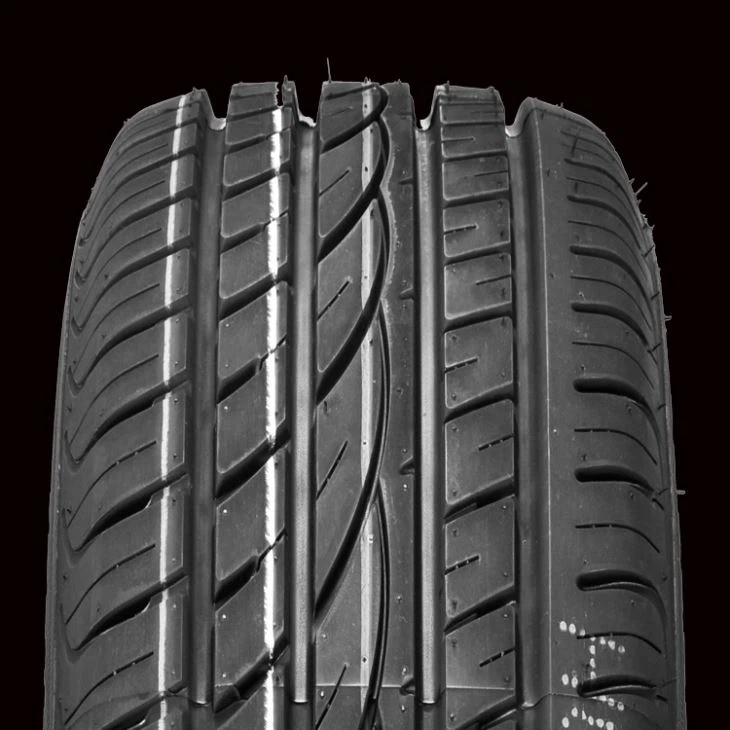
The tread design increase the friction between tires and ground,at the same improves the griping on dry and wet road condition,which makes drving smoothly.

Snow Tires

Snow Tires

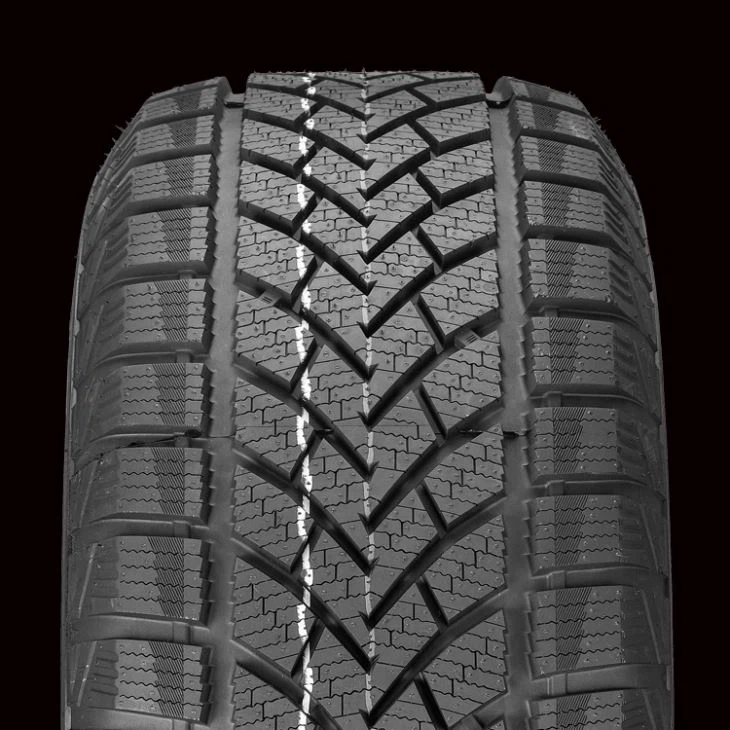
Shoulder serrated three-dimensional sidewall design, increased tire grip on the ice and snow surface and braking power, greatly improving the safety of the ice and snow pavement.

Car Tires

Car Tires

Our Car Tires are designed for a safe and efficient driving experience, which can provide you with better safety and save more costs. They are made of high-quality rubber materials and have good grip. They can achieve good grip and braking effect in various weather conditions. In addition, their low rolling resistance technology allows them to consume less fuel to power the tyres forward, saving costs for your rear pocket and the environment.

UHP Tires

UHP Tires

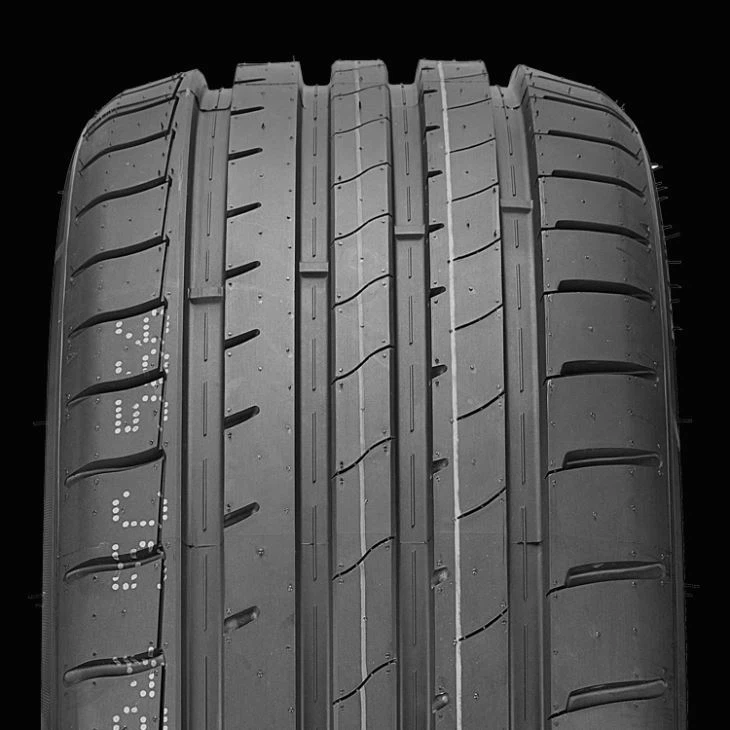
Our UHP Tires are economical ultra-high performance tires, which provide reliable traction and handling on highways, and will bring you a highly smooth driving experience. Their patterned surfaces will hold the dry road tightly, drain water from the tread area using circumferential grooves, and provide reliable wet traction. Although their service life is shorter than that of all season tyres, they ensure that you achieve the highest level of road performance while driving.

Winter Tires

Winter Tires

Three-dimensional design of the travel surface and two-tire side-change angle, which enhances the friction of the tyre travel surface and the road surface, reduces noise and provides good comfortThe three-dimensional design of the travel surface and the two-tire side-change angle enhances the friction of the tire travel surface and the road surface, reduces noise and provides good comfort.

Winter Tyres

Winter Tyres

Our Winter Tyres, also known as snow tires or cold weather tires, are specially designed to cope with various cold and wet environments. They can be used in snow and help maintain a safe and stable driving experience. They have been significantly improved in terms of braking and grip. Under wet and slippery conditions, they can allow faster braking speed and prevent accidents such as rear end collision caused by skidding.

Passenger Car Tyre

Passenger Car Tyre

Our Passenger Car Tyres are made for cars and minivans, aiming to provide you with quiet and smooth driving, and are suitable for all seasons. They have excellent traction and durable tread wear resistance, so they are responsive and easy to operate when cornering or braking in traffic. However, because they are of light structure, they do not support heavy loads and should not be installed on large trucks, SUVs and heavy trucks.

Car Tyres

Car Tyres

Our Car Tyres are designed to provide a safe driving experience in various weather conditions, and are suitable for various sports cars and conventional cars, and can be used in any season. They are made of stronger rubber materials and have good working performance, so can resist splitting and bruising even in cold weather and avoid frequent maintenance and replacement, helping saving your time and energy.


What Are Snow Tyres


Snow tires, also known as winter tires, are tires designed for use on snow and ice. Snow tires have a tread design with larger gaps than those on conventional tires, increasing traction on snow and ice. Such tires that have passed specific winter traction performance tests symbols on their sidewalls. Tires designed for winter conditions are optimized to drive at temperatures below 7 °C (45 °F). Studded tires are a type of snow tires which have metal or ceramic studs that protrude from the tire to increase traction on hard-packed snow or ice. Studs abrade dry pavement, causing dust and creating wear in the wheel path.


Advantages of Snow Tyres


Improved grip
When you're driving through ice and snow, the improved grip of snow tyres is big advantage. The tread patterns are specially designed to grip the snow and ice, and feature large tread blocks and deep grooves that cut through the snow. It throws the snow back and keeps the snow from getting packed down in the tread, which happens with all-season tire tread patterns.
 

Better braking
Most of us know that scary feeling when you brake in the snow and ice and your vehicle just keeps sliding through the stop. With snow tires, the sturdy grip helps you break when you need to.
 

Longer life for regular tires
When you switch out your regular, all-season tires for snow tyres, you're giving them a longer life by not riding on them all year round. While you might have to pay for two sets of tires, in the long run you'll be saving money.


Why Do I Need Four Snow Tyres
 

Whether your vehicle is front or rear-wheel drive, winter tires are best applied to all wheel positions. While some drivers question the necessity of changing all four, there are good reasons why tire and vehicle makers recommend using a full set of winter tires.

For one thing, just mounting two means you lose some of the traction, stopping and cornering advantages a full set provides. No matter what kind of vehicle you drive, never mount two winter tires on the front axle without also mounting them on the rear axle. Only installing snow tires on the front wheels increases the risk of losing rear tire traction while braking or cornering on wintery roads. This is because the back wheels will have less grip than the front wheels, a scenario that can throw you into a rear-wheel skid.

But what about just mounting winter tires on the back wheels, especially if your vehicle is rear-wheel drive, shouldn't that be enough?Remember that in a rear-wheel drive vehicle, the front wheels steer and the rear wheels provide the power. So if your rear tires can grip the road but the front tires can't, any effort to steer the vehicle in the direction you want to go on wintery roads will be more difficult.

Snow Tyres

The Different Types of Snow Tyres


Studded tires
One of the best snow tyres are studded tires. These tires, as their name suggests, have tiny metal studs inserted to the tread. The studs improve handling and performance on the ground by helping to grip ice and snow. The metal studs provide extra traction by digging into the snow and ice, keeping the tires firmly in touch with the surface. They are strong but lightweight. Stubby tires are the best choice for slope driving in the winter since they provide superior handling, more stability, and surface contact.
 

Non-studded snow tyres
These are also frequently referred to as studless tires or winter tires. These tires don't have any studs embedded in the tread, in contrast to studded tires. They have a three-peak mountain deterioration with a snowflake sign on the sidewall, making them immediately recognizable. Their tread pattern and the winter compound they utilize give them the traction needed in wintery conditions. Their aggressive and intricate tread patterns increase traction and grip. The winter compound increases rubber's elasticity in chilly conditions. The winter rubber compound used in non-studded tires is the main factor enhancing their performance. The tire's ability to flex under harsh weather circumstances is made simple by the compound's ability to remain soft even in extremely high temperatures.
 

Studdable winter tires
Studdable tires provide the newest technology if that is what you are looking for. This hybrid option is offered by these winter tires. Offering excellent grip in winter situations by combining the finest qualities of studded and non-studded tires. Although studdable tires can have studs, they are not sent with them already attached. They have tiny holes already drilled into the treads so that studs can be added and removed as needed. These tires have gained popularity in the majority of states due to the restrictions and regulations placed on studded tires. Tires with studs provide excellent handling and stability on a variety of winter surfaces. They have been built to withstand extremely harsh winter conditions, and they also guarantee good grip when driving on slush, ice, and snow.


Winter Tyres


When Do I Change Snow Tyres

The question of when to change over to snow tyres is very much location-dependent. Some locales experience an earlier start to winter than others. When you check the long-term weather forecast and begin to see temperatures consistently around or below 40° fahrenheit, and/or the chance for wintry precipitation, it's time to change to snow tyres.

For example, in the midwest, a change to snow tyres often occurs around mid-november, and then depending upon how long old man winter hangs around, swapping out snow tyres in mid-march. In certain mountain regions and at higher altitudes, winter storms can hit as early as october and as late as april or may. So the timing of the snow tire exchange has everything to do with your local forecast and travel plans.

A bit of friendly advice from those with ample (maybe too much) tire shop experience: You'll have better luck beating the crowds before the real winter weather hits, and drivers learn their tires are no longer fit for duty. When snow tyres are dismounted, be sure to store your tires properly for maximum tire life.


On the Road: Winter Driving Tips of Snow Tyres

Is your car free of ice and snow? You can finally move off. However, the major pitfalls now await. Whether steering or braking, particular care is required on icy roads. Discover the three most important tips for driving safely in winter.  


Drive gently, evenly and smoothly
Whether you're driving on ice, in snow or just in cold weather, winter weather makes the car react totally differently compared to summer conditions. It is more likely to skid and the braking distance also becomes longer. You must adjust your driving style accordingly. The fundamental principle: Always drive gently, evenly and smoothly and keep the speed down. Traffic lights and crossroads present particular hazards. Even light braking can be hazardous if there is not enough clearance for the car in front. Always maintain sufficient distance. A sound rule of thumb is: Three times the distance required for dry roads. Also remember that other drivers may be less cautious than you.


Move off carefully
Trying to move off in the snow but the car won't move? Roads provide less traction in winter. The tyres keep spinning and dig even deeper into the snow. It is easier to make progress when driving in a lower gear. The power transmission is gentler and more effective. The result: Tyres have better grip and can handle the ground conditions better. It is therefore recommended that you drive in second gear in icy conditions. When changing gear, press and release the clutch slowly.


Pay attention to steering and braking behaviour
Do not only adjust your speed. Steering behaviour is different on snow and ice compared to in summer conditions. As an example, the car may quickly swerve on a bend. In this case: Release the clutch and do so quickly, but counter-steer sensitively. If the vehicle does not react to steering, then an emergency stop is the only remaining option.


Snow Tyres Maintenance Tips
 

As the winter season arrives, it's important to ensure that your vehicle is equipped with proper snow tyres for safe driving in snow and icy conditions. Check the tire pressure regularly
Cold weather can cause the pressure to drop, so it's important to keep your tire pressure at the recommended level. Proper tire pressure ensures better fuel efficiency and prevents accidents. 

01/

Rotate your tires
Regularly rotating your tires ensures that they wear evenly, which contributes to better traction on the road.

02/

Clean your tires
Snow and salt can cause corrosion and damage to your tires. Clean your tires regularly with warm soapy water and dry them completely before storing your car.

03/

Store your snow tyres properly
When switching to all-season or summer tires, store your snow tyres in a cool, dry, and dark place. Avoid exposure to direct sunlight or extreme temperatures.

04/

Replace your tires when needed
Worn-out tires can be dangerous in winter weather conditions. Check your tires for signs of wear and replace them if needed.
Taking care of your snow tyres ensures safe driving and prolongs their lifespan. Don't neglect this important aspect of winter driving, and enjoy a safer and smoother journey.


How to Choose the Right Snow Tyres for Your Vehicle


Keep in mind, not all snow tyres are the same. The first is tread design, which for snow tyres will often be directional or asymmetrical. In order to lessen the possibility of hydroplaning on slippery roads, directional tread patterns, which have a v-shaped tread pattern, do a great job of funneling water, slush, and melting snow out of the tire. The purpose of an asymmetrical tread pattern, which contains two tread blocks that match and one that doesn't, is to improve handling on slippery, icy, slushy, and snowy surfaces.


Tread patterns are significant for wear and tire rotation in addition to performance characteristics. Asymmetrical tires can be freely rotated as long as the side marked outside is facing out, unlike directional tires, which must be turned from rear to front or from front to back. Snow tyres are commonly classified into three categories independent of tread patterns: Studded, studdable, and studless. A technician will insert a small piece of metal or ceramic material called a stud into the tire to improve traction in extremely slippery conditions such as ice, snow, and slush.


Make sure they are the appropriate size first. The set of numbers can be found on the sidewall of your current tires, immediately next to the rim, or in the owner's manual for your car. Utilize a tire tread depth gauge to secondly measure the tread depth. Alternatively, have a tire shop technician fix it; it ought to be free. Each tire's grooves should have measurements taken several times.


The tread depth of a fresh tire is usually 11/32nds of an inch. A winter tire's performance on snow is set to decline significantly if there is only 6/32nds of an inch or less of tread left on it. Be certain that there is no issue with uneven wear. Did your measurements from the tread gauge reveal any variations in tread depth between the four tires? Tires frequently wear in different ways over time. Installing snow tyres only on the front or back of a vehicle is likewise a bad idea. This significantly alters the amount of traction between your axles. This will result in less steering control rather than more.


Our factory


Keman is a leading golbal provider of tyre and wheels,founded in 2002 by Keman Liu.After 17 years of development,the company has a broad influence in tyre and wheel industry field. Keman is committed to manufacture top quality tyres and wheels,bringing safety to every customers' automobile.At present the company has nearly 1100 patents,1800 employees.Our core value is Safety,Openness, Collaboration. Our products includes truck tyres,car tyres,industry tyres,OTR tyres,steels wheels,aluminum wheels with Keman brand and Polonez brand.Our tyres and wheels are widely used in automobile assembly plants and vehicle maintenance and repair markets over the world. At present,the technical index of products has reached standards of the US Department of Transportation(DOT) and the Economic Committee of Europe(ECE), ISO/TS 16949 Certificate ,furthermore,it has passed the certification of ISO9001 uality Management System ,ISO14000 environment system attestation.


product-1-1


FAQ


Q: What are snow tires?

A: Snow tires, also known as winter tires, are specially designed tires that provide enhanced traction, grip, and handling in snowy, icy, and cold weather conditions.

Q: Why are snow tires important?

A: Snow tires are essential for safe driving in winter conditions as they offer better traction on snow and ice, reducing the risk of accidents and improving overall vehicle control.

Q: When should I switch to snow tires?

A: It's recommended to switch to snow tires before the winter season begins or when temperatures consistently drop below 45°F (7°C) to ensure optimal performance in cold weather.

Q: Can I use snow tires year-round?

A: While snow tires can be used year-round, they are specifically designed for winter conditions and may wear out quickly on dry or warm roads, so it's best to switch to all-season or summer tires in other seasons.

Q: What is the difference between snow tires and all-season tires?

A: Snow tires have a different tread pattern and rubber compound that provide better traction in snow and ice compared to all-season tires, which are designed for a variety of conditions.

Q: How do snow tires improve traction?

A: Snow tires have deeper treads, sipes (small slits), and softer rubber compounds that grip the road surface better in cold temperatures, snow, and ice, enhancing traction.

Q: Are studded snow tires necessary?

A: Studded snow tires are not always necessary but can provide additional traction on icy roads. However, they may be restricted or prohibited in some areas due to road damage concerns.

Q: How do I know if I need snow tires?

A: If you live in an area with frequent snowfall or icy conditions during the winter, or if you regularly travel to such areas, snow tires are highly recommended for safety.

Q: Can I install snow tires on only two wheels?

A: While it's possible to install snow tires on just the front or rear wheels, it's best to use a full set of snow tires to ensure balanced traction and handling on all four wheels.

Q: How do I store snow tires when not in use?

A: Store snow tires in a cool, dry place away from direct sunlight, stacked vertically if possible, and ensure they are properly inflated to maintain their shape and performance.

Q: Are there specific speed ratings for snow tires?

A: Snow tires typically have lower speed ratings compared to summer tires to prioritize traction and grip in winter conditions, so it's important to check the speed rating when purchasing.

Q: How do I know if my snow tires are worn out?

A: Check the tread depth indicator bars on the tire surface – if the tread depth is worn down to these bars, it's time to replace the snow tires for optimal performance and safety.

Q: Can I use snow tires on a vehicle with all-wheel drive (AWD)?

A: While AWD vehicles benefit from the added traction of snow tires, it's still important to use snow tires to maximize grip and control in winter conditions, especially during braking and cornering.

Q: How do I know if my snow tires are properly inflated?

A: Check the tire pressure regularly using a tire pressure gauge and refer to the recommended pressure listed in the vehicle owner's manual or on the tire placard for optimal performance.

Q: Are there specific snow tires for performance vehicles?

A: Yes, there are snow tires designed for high-performance vehicles that offer enhanced grip, handling, and responsiveness in winter conditions while maintaining the vehicle's performance capabilities.

Q: Can I drive on dry roads with snow tires?

A: While snow tires can be used on dry roads, they may wear out faster due to their softer rubber compound. It's best to switch to all-season or summer tires for extended dry road driving.

Q: How do I choose the right snow tires for my vehicle?

A: Consider factors such as tire size, load index, speed rating, tread pattern, and driving conditions to select the best snow tires that meet your vehicle's needs and provide optimal winter performance.

Q: Are there eco-friendly options available for snow tires?

A: Some manufacturers offer eco-friendly snow tires made from sustainable materials or with reduced rolling resistance to promote fuel efficiency and lower emissions during winter driving.

Q: Can snow tires be used in mountainous regions?

A: Snow tires are highly recommended for driving in mountainous regions with snow and ice, as they provide better traction and control on steep, slippery roads, enhancing safety.

Q: How do I know if my snow tires are compatible with my vehicle?

A: Check the tire size, load index, and speed rating specified by the vehicle manufacturer to ensure the snow tires are compatible with your vehicle and meet safety requirements.

Hot Tags: snow tyres, China snow tyres manufacturers, suppliers, factory, 14 inch mag wheels, gloss black aluminum wheels, alloy spraying, 18 aluminum wheels, 22 5 inch aluminum rims, 5 on 5 5 aluminum wheels

Previous: UHP Tires

Next: Passenger Car Tyre

Related Products

Recommended