Contact Us+8618605327632

banner
OTR Tyres

OTR Tyres

OTR tyres is the short name for Off the Road tyres. As the name describes, tyres for giant vehicles such as dump trucks or loaders fall within this category. Mostly, these tyres operate in mine areas or at port and terminals.

Description
Why Choose Us


Our Factory
Keman is committed to manufacture top quality tyres and wheels,bringing safety to every customers' automobile.At present the company has nearly 1100 patents,1800 employees.Our core value is Safety,Openness, Collaboration.


Our Product
Our products includes truck tyres,car tyres,industry tyres,OTR tyres,steels wheels,aluminum wheels with Keman brand and Polonez brand.


Production Market
Our products have been sold more than 70 countries and regions,200 containers are loaded and ship to all over the world every day.


Our Service
All of Keman products enjoy 3 years warranty.With providing global customers with the most valuable products and services as own duty,Keman has established perfect after service to maintain a great brand image.


Related Product


Winter Tyres

Winter Tyres

WPCRA is winter tyres specialized snow tread design for winter driving.

SUV Tyres

SUV Tyres

1. SUVA is SUV tyres with entire traffic pattern designed for SUV, pickup.
2. The use of a wide travelling surface to improve tire grip

Heavy Duty Truck Tyres

Heavy Duty Truck Tyres

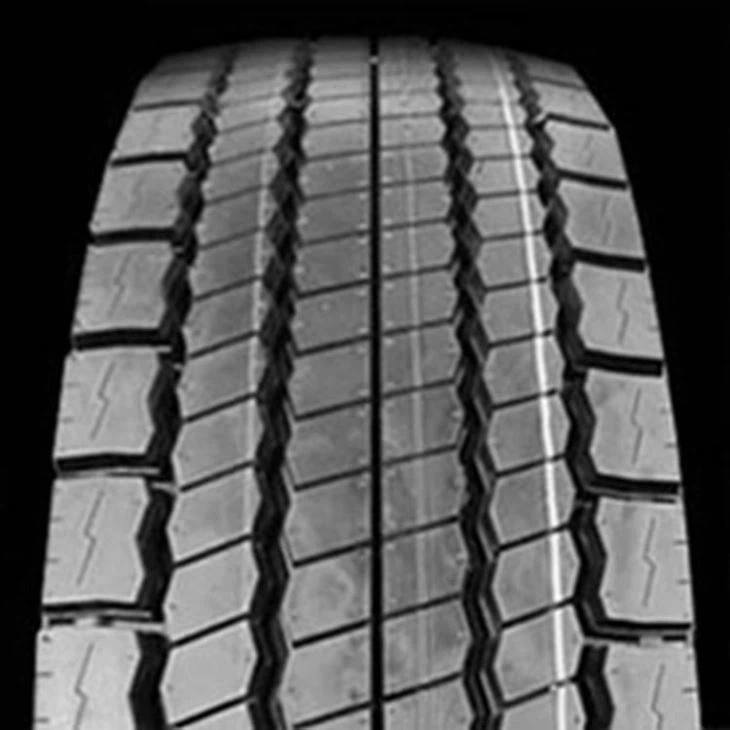
As the only part of the vehicle that directly contacts with the ground, the heavy duty truck tyres have a great impact on the vehicle's driving performance and safety. It can bear the weight of the car, and together with the car suspension, it can ease the impact force when the car is running, so as to ensure that the car has good riding comfort and driving stability.

All Steel Radial Tyres

All Steel Radial Tyres

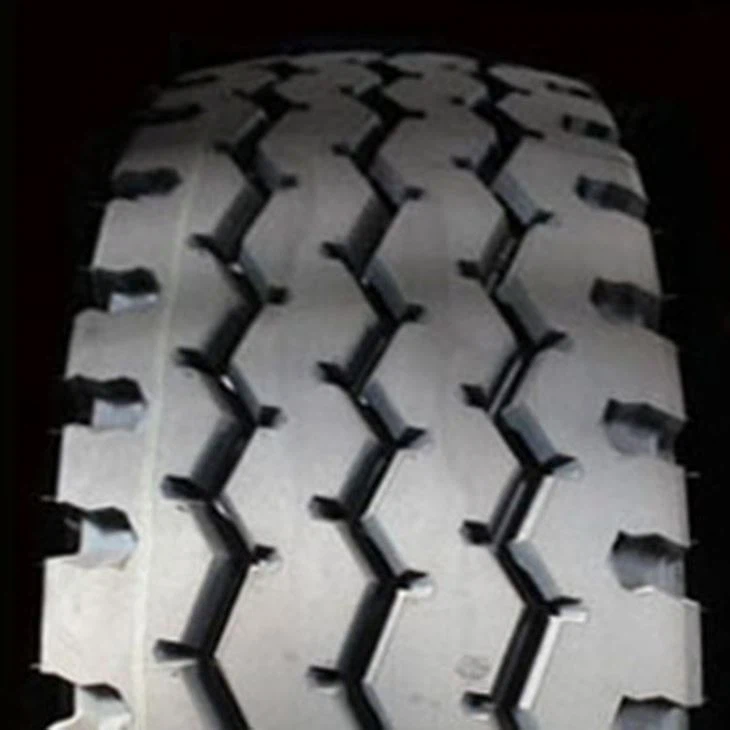
The all steel radial tyres are specially designed for the driving wheel of concrete mixer truck. The tire is designed with horizontal grooves and shoulder patterns, with excellent traction and braking performance.

Radial Truck Tires

Radial Truck Tires

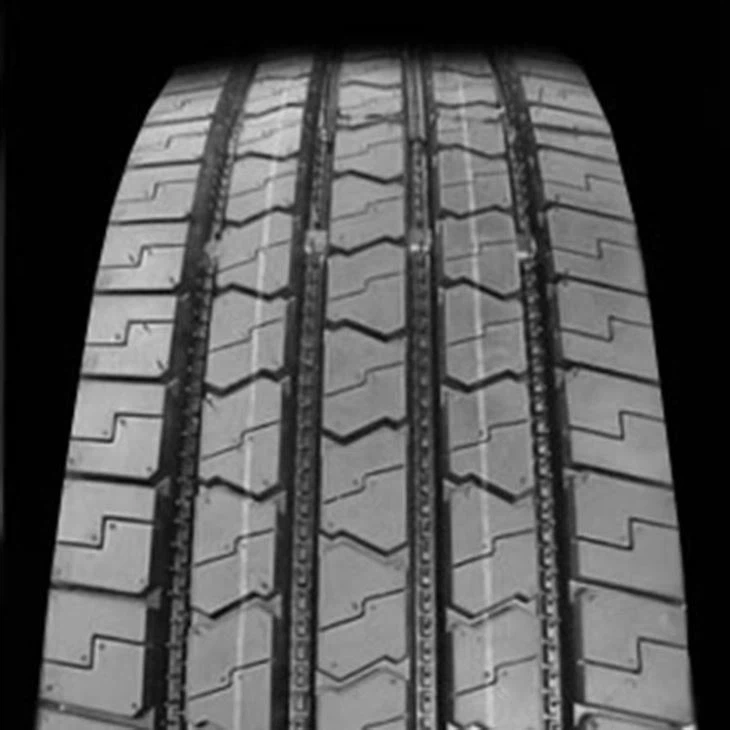
The radial truck tires are a radial tire for trucks and buses in various road conditions. It has excellent guidance and anti sideslip performance.

Car Tires

Car Tires

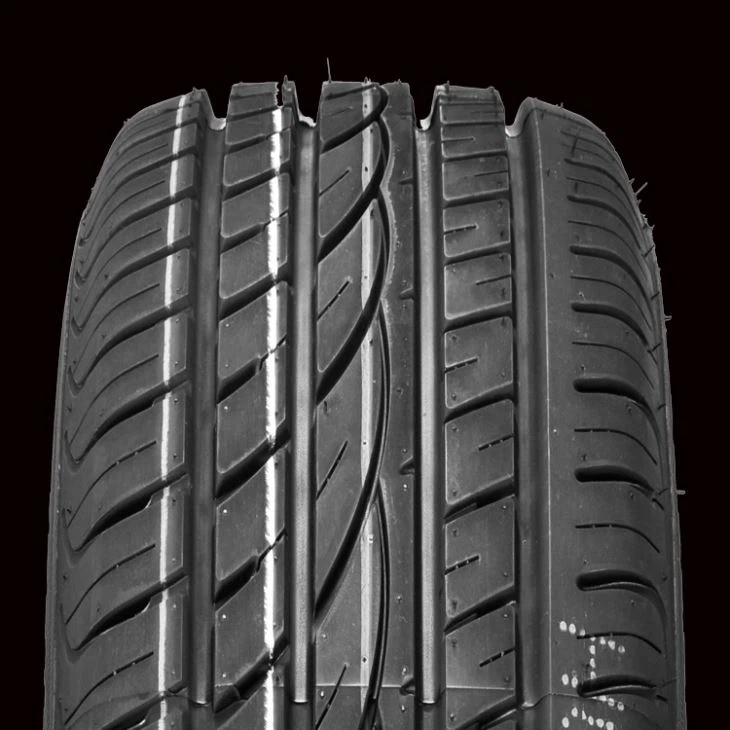
The tread design of pcrb pattern increase the friction between tires and ground,at the same improves the griping on dry and wet road condition,which makes drving smoothly.

Car Tyre

Car Tyre

PCRV car tyre is load-pattern designed for light truck and van;
High wear-resistant tread compound to improve tire mileage;
Large tread pattern brings superior handling avility.

OTR Tyres

OTR Tyres

OTR tyre RO31 is versatile E3/L3 tread pattern designed for Loader,Dozer,Grader,Scraper,Dumpand other euuipment used for construction,stockpile and loading application.

Off The Road Tyres

Off The Road Tyres

ROL50 is off the road tyres for Underground Mining Truck,Scooptram,Articulate Truck,Underground loader,Grader,Dozer,Loader


What is OTR Tyres?


OTR tyres is the short name for Off the Road tyres. As the name describes, tyres for giant vehicles such as dump trucks or loaders fall within this category. Mostly, these tyres operate in mine areas or at port and terminals.


Key Features Of Otr Tyres
 

Robust Construction

OTR tyres are constructed with reinforced steel belts and thick, durable rubber compounds to resist punctures and tears. For instance, Bostone OTR tyres feature steel belts that are 20% thicker than industry standards, enhancing their durability and lifespan.

Deep Tread Depth

The tread depth of an OTR tyre can range from 25 mm to 60 mm, depending on the specific application and tyre size. This deep tread enables superior traction and better heat dissipation, critical in extending the tyre's operational life.

Heat Tolerance

Bostone OTR tyres are designed to tolerate temperatures up to 100°C, ensuring performance stability in high-heat environments typical of mining and construction sites.

Load Capacity

OTR tyres are rated for different load capacities, with some capable of supporting over 100,000 kg. Bostone's heavy-duty tyres, for example, are engineered to handle extreme weights, significantly reducing the risk of blowouts under strain.


Classification Of Otr Tyres
 

C = Compactor
A compactor is a kind of construction equipment that is used to compact and reduce the volume of different materials. For example, waste, gravel, and soil. It usually has a big, heavy roller or plate. This presses down on the material to compact it and give it a more solid, stable surface. Compactors are frequently used in landfills, road construction, and other projects where obtaining a dense and firm base is important.


G = Grader
A grader is a kind of construction equipment used to grade and level surfaces, usually landscapes or roadways. The operator can shape, fill, and cut the ground to create the appropriate slope or level. This is thanks to the long blade's adjustable angles and depth. Graders are essential for creating and maintaining smooth, level surfaces on roads, which promotes efficient and safe transportation.


E = Earthmoving
The process of moving large amounts of soil, earth, or other materials is called "earthmoving." This process modifies the landscape to excavate or perform construction. Bulldozers, excavators, loaders, and graders, among others, are some of the equipment used in this category. This type of equipment is important to many building projects. Especially where changing the natural topography is necessary, like mining, site preparation, and building roads.


L = Loader and bulldozer
First, another heavy-duty piece of machinery used for lifting, scooping, and transporting materials is a loader. Some of the materials this equipment transports are soil, gravel, and debris. Loaders typically have a front-mounted bucket. This element is used to collect materials from the ground and load them into trucks or other containers.


What are OTR Tires used for?


Unparalleled Durability and Strength
One of the most notable features of OTR tires is their exceptional durability and robustness. These tires are designed to withstand the toughest conditions, from uneven terrain to sharp rocks and even extreme temperatures. This makes them the ideal choice for situations where standard tires fall short.


Suitable for Various Terrains
OTR tires are designed to excel on a variety of terrains. Whether on muddy construction sites, rocky mines or sandy agricultural lands, OTR tires provide excellent traction and stability. This not only increases productivity, but also reduces the risk of accidents and vehicle damage.


Excellent Resistance to Wear
Thanks to the sturdy construction and the use of high-quality materials, OTR tires have an impressive resistance to wear. This means they last a long time, even under the most demanding conditions. This results in significant long-term savings as tires need to be replaced less often.


Enhanced Safety
Safety is paramount in sectors where OTR tires are used. Due to their superior grip and stability, these tires significantly reduce the risk of accidents. In addition, they contribute to the protection of the vehicle itself, as they are more resistant to damage from sharp objects.


Efficiency and Productivity
The reliable performance and durability of OTR tires allows vehicles to operate longer and more efficiently. This results in increased productivity and less downtime for maintenance and repairs. Vehicles with OTR tires can also often operate faster on rough terrain, contributing to increased efficiency.


Manufacturing Process Of Otr Tyres


The manufacturing process of OTR tyres at involves several detailed and controlled steps to ensure each tyre meets stringent quality and performance standards:

1

Material Selection: High-quality natural and synthetic rubber, along with specific chemicals and reinforcing materials such as carbon black and silica, are selected to provide the base compounds for durability and performance.

2

Mixing: These materials are mixed in controlled environments to create a homogeneous rubber compound. The mixing process is crucial for achieving the desired physical properties in the final product.

3

Building the Tyre: The tyre building process is highly automated and precise. Each layer of rubber compound, fabric, and steel cords is assembled meticulously.uses advanced robotic technology to ensure each layer is perfectly aligned and free of air pockets.

4

Curing and Vulcanization: After building, the tyre is cured in a press under high heat and pressure. This step is essential for shaping the tyre and developing its final properties. curing process uses pressures up to 350 psi and temperatures around 150°C to ensure robust curing.

5

Quality Control: Each tyre undergoes a series of tests, including X-ray inspections, balance testing, and pressure testing to ensure it meets the operational standards. For example, each OTR tyre is tested to withstand pressures up to 850 psi, significantly higher than typical operational pressures.


Choosing the Right OTR Tyres
 

Selecting the right OTR tyres involves considering several factors: 

Terrain:
Different terrains require different tread patterns and tyre constructions. Understanding the specific conditions where the tyres will be used is crucial for making the right choice.


Load Requirements:
Ensure that the tyres chosen can support the weight of the vehicle and the loads it will carry. Overloading tyres can lead to premature wear and failure.


Manufacturer Reputation:
Choosing a reputable manufacturer like ensures that you receive high-quality tyres that meet industry standards. advanced manufacturing processes and stringent quality control measures guarantee reliable performance and durability.


R&D and Innovation
Commitment to research and development (R&D) ensures that their OTR tyres incorporate the latest technological advancements. Continuous innovation in tyre design and materials leads to improved performance, safety, and longevity. This focus on R&D positions as a leader in the tyre manufacturing industry, providing cutting-edge solutions to meet the evolving needs of their customers.


Challenges in OTR Tire Recycling

Despite the benefits, OTR tire recycling faces several challenges. These tires are significantly larger and more complex than standard tires, which require advanced recycling processes and machinery.

OTR Tyres
OTR Tyres
OTR Tyres
OTR Tyres

High Processing Costs
The heavy-duty machinery needed to shred and separate OTR tires can be costly, creating a barrier for smaller recycling facilities. In addition, transporting these tires from remote industrial locations to recycling centers incurs additional expenses.


Regulatory Compliance
Recycling OTR tires must meet strict environmental and safety regulations. Ensuring compliance involves rigorous testing and quality control measures, which can add to operational costs.


Limited Market for Recycled Materials
Though there are many uses for recycled OTR rubber, the market can be limited. This limitation often impacts profitability for recycling businesses, which rely on consistent demand to stay viable.


The Future of OTR Tire Recycling
As industries continue to focus on sustainability, the future of OTR tire recycling looks promising. New technologies, increased regulation, and an emphasis on environmental responsibility will likely drive further innovation and growth in this sector.


Increased Regulatory Support
Governments worldwide are introducing stricter tire disposal and recycling regulations, promoting environmentally responsible practices. Incentives and subsidies for recycling operations encourage further growth.


Public Awareness and Corporate Responsibility
Rising public awareness and demand for corporate responsibility are pushing industries to adopt sustainable practices. Companies are expected to recycle and improve production practices to support a circular economy.


Advances in Recycling Technology
Technological innovations in recycling are anticipated to make OTR tire recycling more efficient, reduce costs, and increase the feasibility of large-scale operations.


Our Factory


At present,the technical index of products has reached standards of the US Department of Transportation(DOT) and the Economic Committee of Europe(ECE), ISO/TS 16949 Certificate ,furthermore,it has passed the certification of ISO9001 uality Management System ,ISO14000 environment system attestation.


FAQ


Q: Where are Bridgestone OTR tires made?

A: Bridgestone produces heavy-duty off-the-road tires at seven plants globally. Shimonoseki, Hofu, Kitakyushu of Japan, Aiken, Des Moines, Bloomington of the United States, and Bridgestone Specialty Tire Manufacturing Thailand.

Q: What size are OTR tires?

A: Most sizes have both bias type and radial type, for example, we have 23.5R25 and 23.5-25. But for some sizes, there may only be one type is available, for example, we have only 875/65R29, no 857/65-29.

Q: What is the aspect ratio of a OTR tire?

A: The height/width ratio is approximately 0.65. The ratio has been mentioned in the size marking.

Q: What is a OTR tyre?

A: OTR tyres is the short name for Off the Road tyres. As the name describes, tyres for giant vehicles such as dump trucks or loaders fall within this category. Mostly, these tyres operate in mine areas or at port and terminals.

Q: How big is the OTR tire market?

A: KEY MARKET INSIGHTS
The global Off-the-Road (OTR) tire market size was valued at USD 16.85 billion in 2023. The market is projected to grow from USD 17.48 billion in 2024 to USD 25.23 billion by 2032, exhibiting a CAGR of 4.7% during the forecast period.

Q: What size tires do I use?

A: Find the information in your vehicle owner's manual in the glove compartment or on the tire information sticker on your driver's side door. Usually those elements contain all the information related to your tire size and specifications as well as the appropriate tire pressure.

Q: Which tyre size is best for a car?

A: You can switch to larger car tyres but experts recommend upgrading within 3% of the original diameter of your car tyres. Switching to unnecessarily large tyres will not only affect your car's mileage but may also impact handling and ride quality.

Q: How long should tires last?

A: On average, people drive between 12,000 to 15,000 miles a year, which means the average good quality all-season tire will last somewhere between three and five years, depending on maintenance, driving style and conditions, etc.

Q: How can I find my tyre size?

A: Your tyre size can be found on the sidewall of your current tyre and is a sequence of numbers and letters. The most common tyre size in the UK is 205/55R16 but there are many variations so it's important to check your existing tyre or to check your vehicle handbook to ensure the right tyre size has been installed.

Q: How often should I rotate my tires?

A: Every 5,000 to 7,500 miles
Tire rotation should be performed every 5,000 to 7,500 miles for both front-wheel drive (FWD) and rear-wheel drive (RWD) vehicles, but exactly how you should rotate your tires depends on your drivetrain. FWD models only send power to the front tires, while rear-wheel drive (RWD) models send it to the back.

Q: Do I need tire rotation every oil change?

A: As a general rule of thumb, you should rotate your tires about every six to eight thousand miles. A good way to remember is to have them rotated every time you get an oil change. You may need to get your tires rotated more often if you drive a performance vehicle, for instance, or if you notice substantial uneven wear.

Q: Do you need an alignment every time you switch tires?

A: In general, it's a good idea to get a alignment after replacing all four tires, or if you're switching to a different type of tire. However, in some cases, a tire alignment may not be necessary. It's always best to consult with a professional to determine the best course of action for your vehicle.

Q: What is the correct way to rotate tires?

A: Front-wheel drive : Rotate the tires in a forward cross pattern. This means that the left front goes to the left rear and the right front goes to the right rear. The left rear goes to the right front and the right rear goes to the left front. Rear-wheel drive or AWD/four-wheel drive : Left rear goes to right front.

Q: How do you read OTR tyre size?

A: For example, a common OTR tire size notation might look like "29.5R25," where:
"29.5" represents the width of the tire in inches.
"R" indicates that the tire has a radial construction.
"25" is the diameter of the rim in inches.

Q: What size are OTR tires?

A: Most sizes have both bias type and radial type, for example, we have 23.5R25 and 23.5-25. But for some sizes, there may only be one type is available, for example, we have only 875/65R29, no 857/65-29.

Q: How to read otr tire?

A: Taking the OTR tire of a mechanical single steel wheel vibratory roller as an example. 18.5-25-16PR: 18.5 (inches) refers to the cross-sectional width of the tire, - refers to the low-pressure tire, 25 (inches) refers to the tire inner diameter, that is the rim diameter, and 16PR refers to the tire level.

Hot Tags: otr tyres, China otr tyres manufacturers, suppliers, factory, knobby off road tires, vintage aluminum wheels, studded winter tyres, 8x180 aluminum wheels, 16 inch studded snow tires, tyre alloy wheel

Previous: OTR Tyres

Next: Off The Road Tyres

Related Products

Recommended